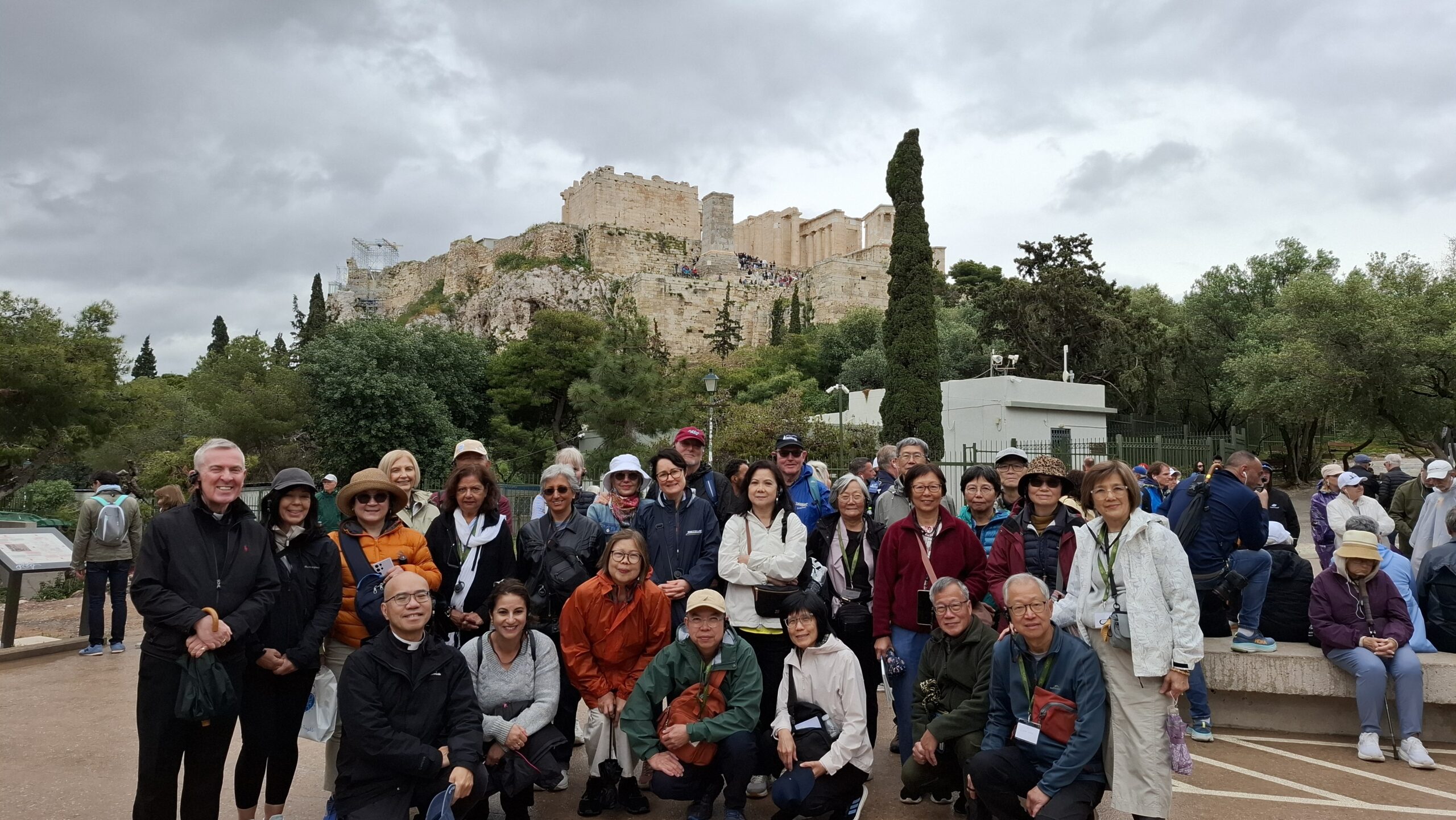
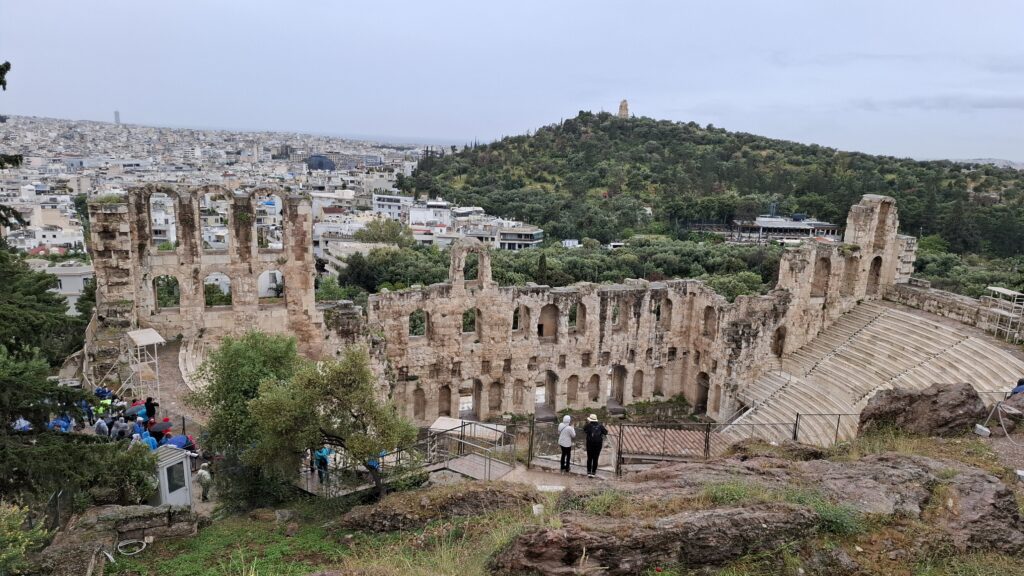
We visited the Acropolis, a rocky outcrop above the city of Athens. The area was an important intellectual, cultural and religious centre of ancient Athens. As we climb up towords the acropolis, we went passed the Sanctuary of Dionysis (Greek god of wine) as well as the Theatre of Dionysis where ancient Greek drama was born and flourished.
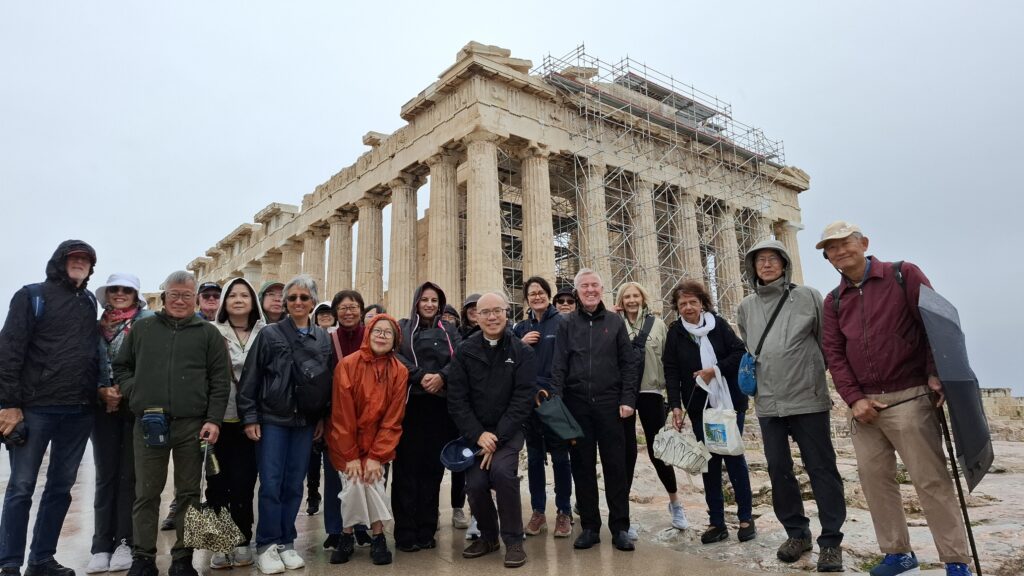
At the top of the Acropolis is the Parthenon, a marble temple built during the 5th century B.C. during the height of the ancient Greek Empire and dedicated to Athena, the virgin goddess.
Next we visited the ancient Agora or Marketplace located to the northwest of the Acropolis and bounded on the south by the Hill of the Areopagus and on the west by the hill known as the Agoraios Kolonos. The Agora was a dynamic place, where the great thinkers such as Socrates and others would meet, and where the Athenian citizens came together to meet, interact, deliberate and bond with their peers.
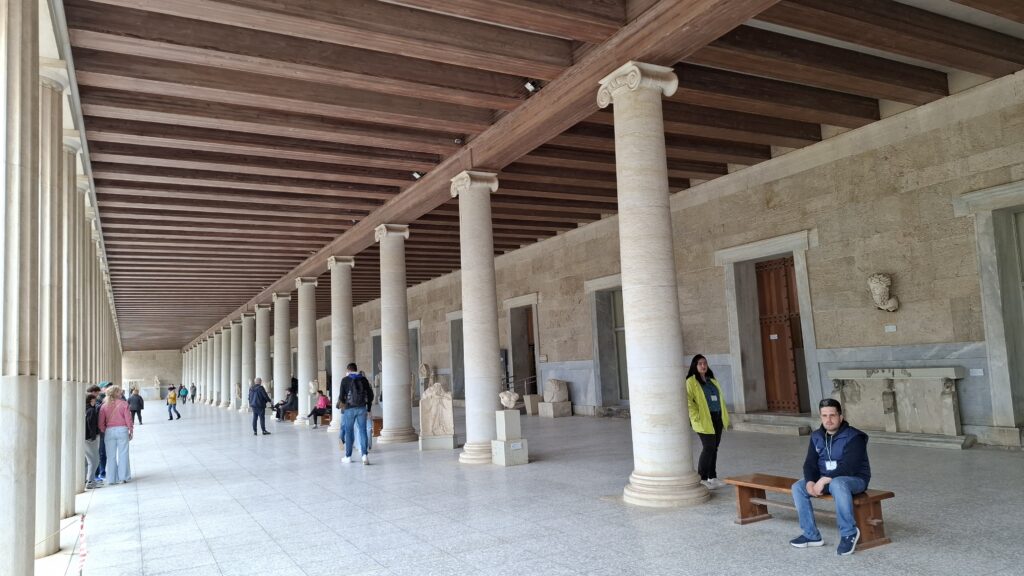
It was a place for commercial, assembly, political, entertainment etc. It was here that the ideals of citizenship and political consciousness were planted and the foundations of democracy laid.
Next to the Agora is the Areopagus Hill where St. Paul preached during his visit to Athens (Acts 17:16-34) attempting to spread Christianity to the Athenians. His teachings led to the conversion of Dionysius the Areopagite (an Athenian judge at the Areopagus Court in Athens) among others who formed the first Christian community of Athens.
It was surreal and awe-inspiring to think we were standing right where St Paul stood and preached.
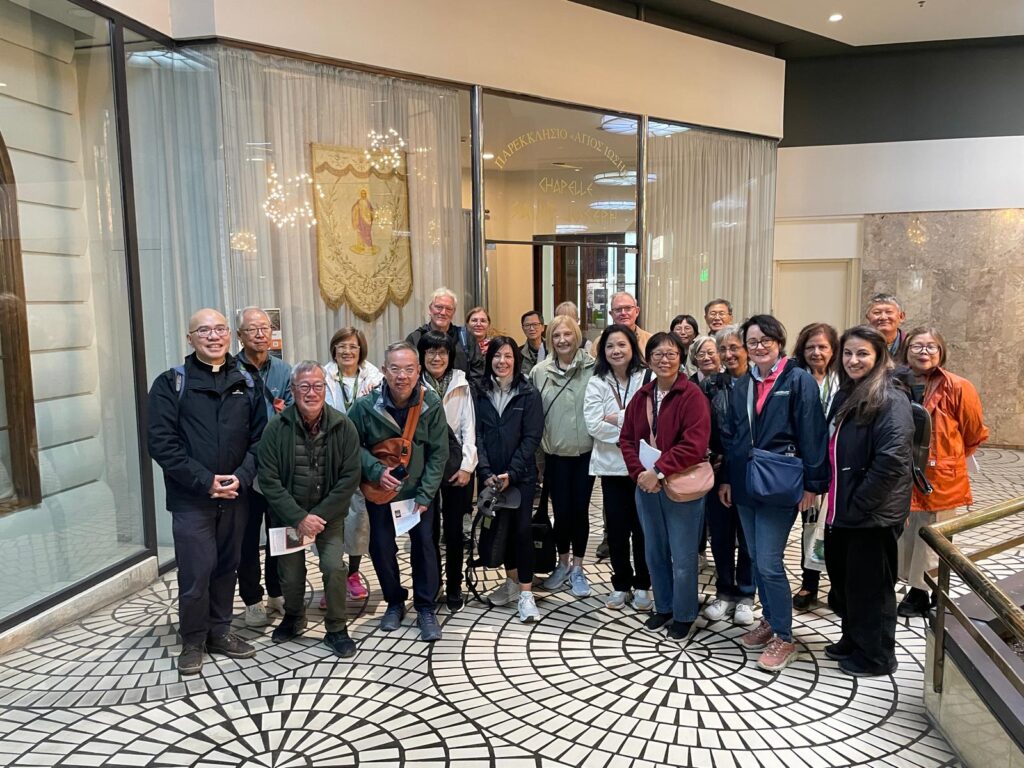
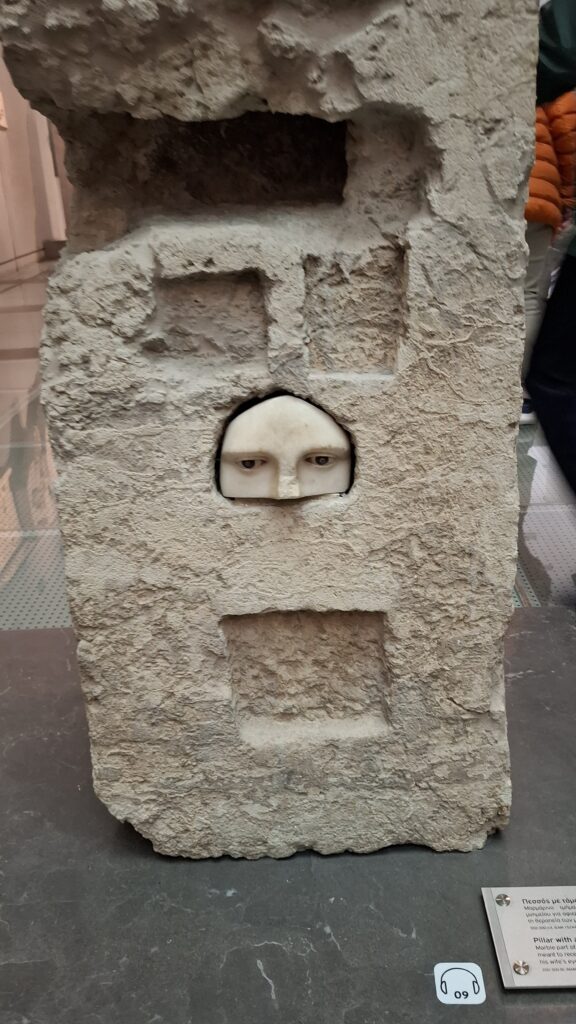
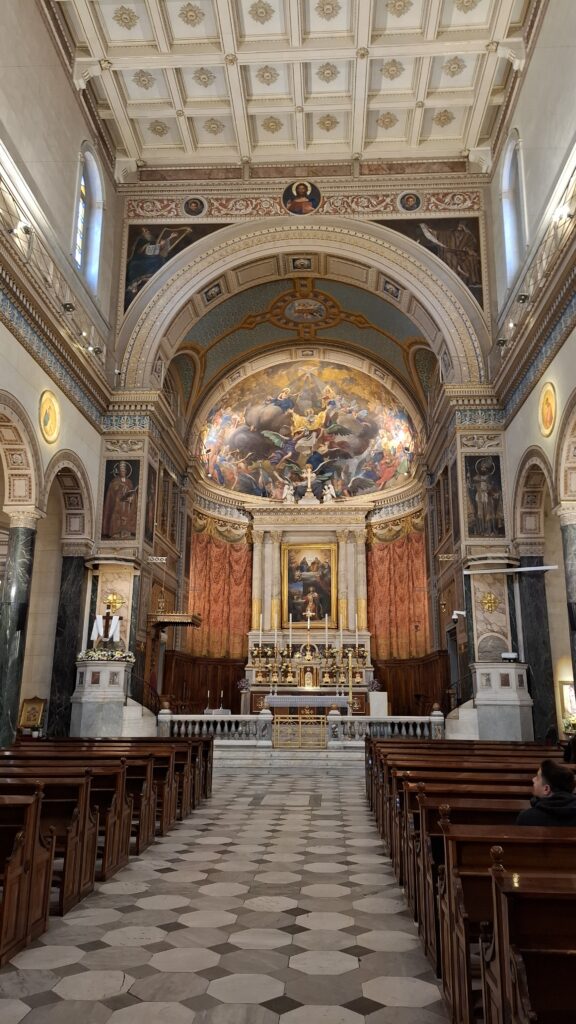
At the Chapel of St Joseph located in a shopping centre in Athens, Fr Alex and Fr Chris celebrated mass on this day, the feast of St George. We finished the day with a visit to the Acropolis Museum.
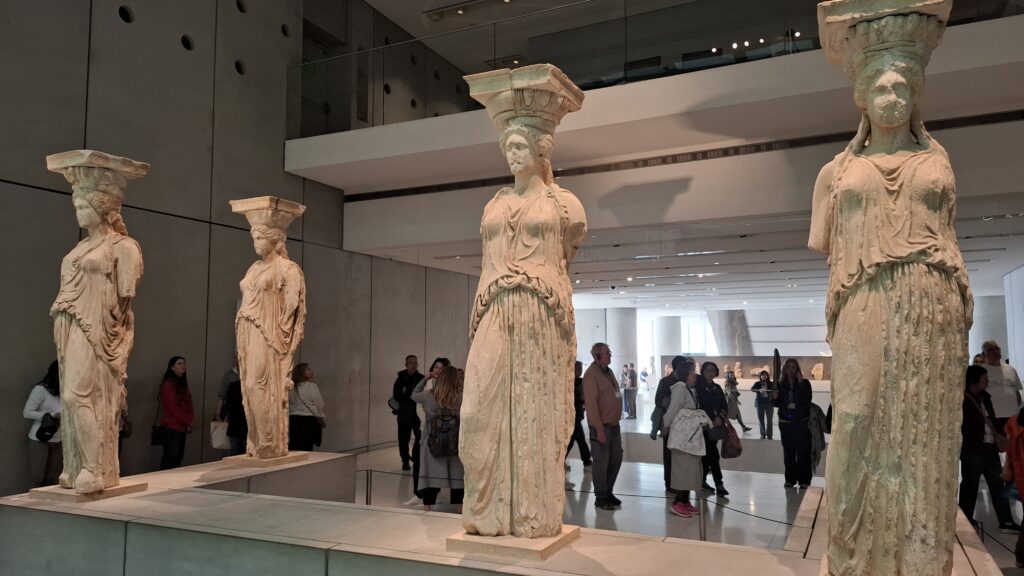
Another day blessed with new insights and a deeper appreciation for the challenges faced by St Paul, and his perseverance in his discussions with and preaching to the Athenians.
Contributed by Sharon La Fontaine, St Timothy Forest Hill