Category: Pilgrimage

  • Day 01 Rome

    Day 01 Rome

    Pilgrimage in the Footsteps of St Paul – Rome**
    03 May 2026.

    This morning we gather at San Silvestro, pilgrims drawn together from different places yet united in one purpose: to walk, to pray, and to allow the witness of St Paul to shape our hearts. As we greet one another, we remember that Paul himself arrived in Rome not as a tourist but as a missionary—led by the Spirit, strengthened by faith, and ready to give everything for Christ.

    Our day begun as we set towards the Spanish Steps, we begin our day as Paul began his mission: step by step, trusting that God works through the ordinary rhythm of our movement.
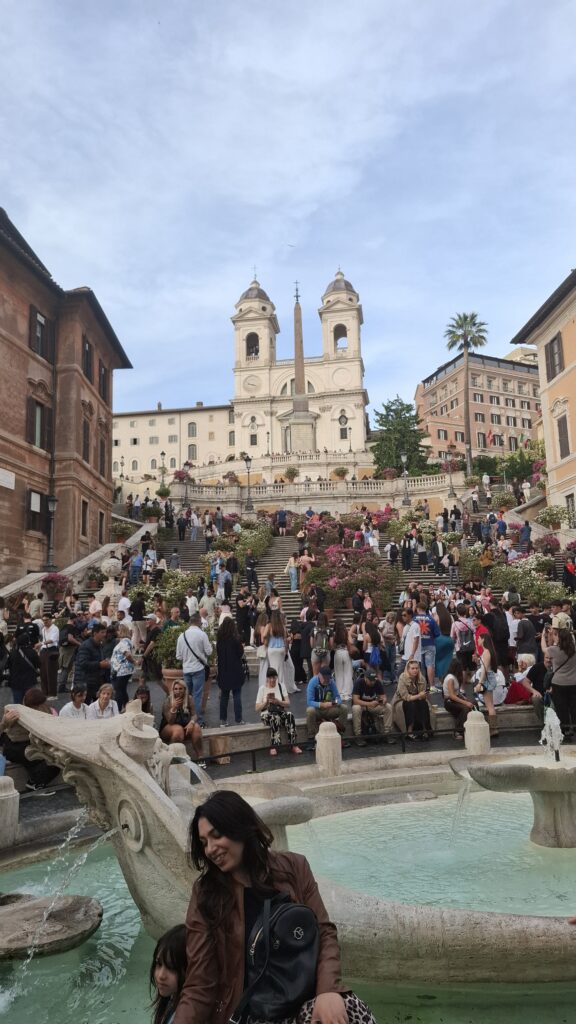
    The beauty of Rome surrounds us with a deep beauty of companionship. Paul never travelled alone; he formed communities, encouraged believers, and built up the Body of Christ. Our shared walk echoes that same spirit.

    At Ss Ambrose and Charles Borromeo, we pause to reflect on the courage of the saints who came before us. Paul reminds us that holiness is not perfection but perseverance—choosing Christ again and again, even when the path is steep.
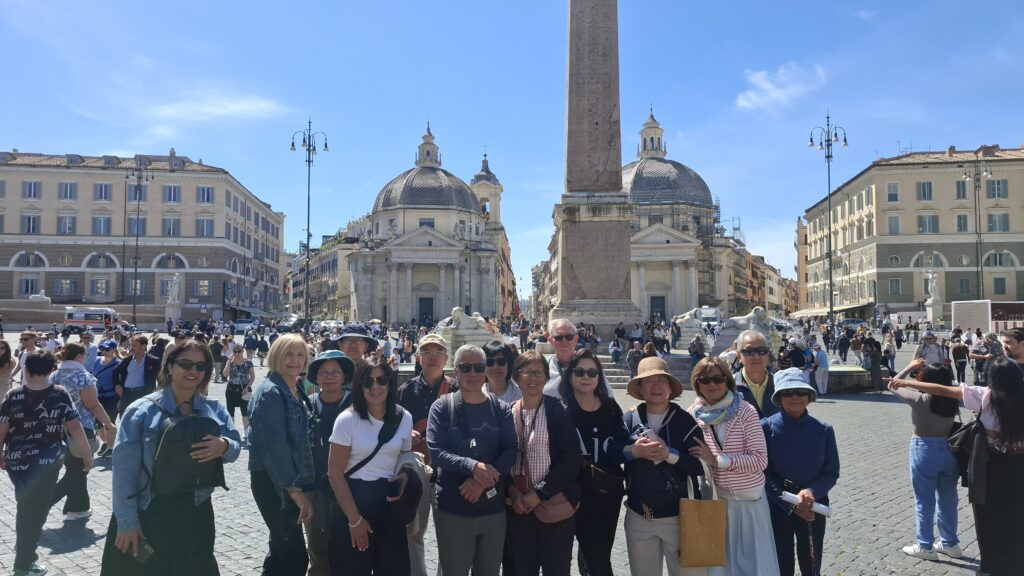
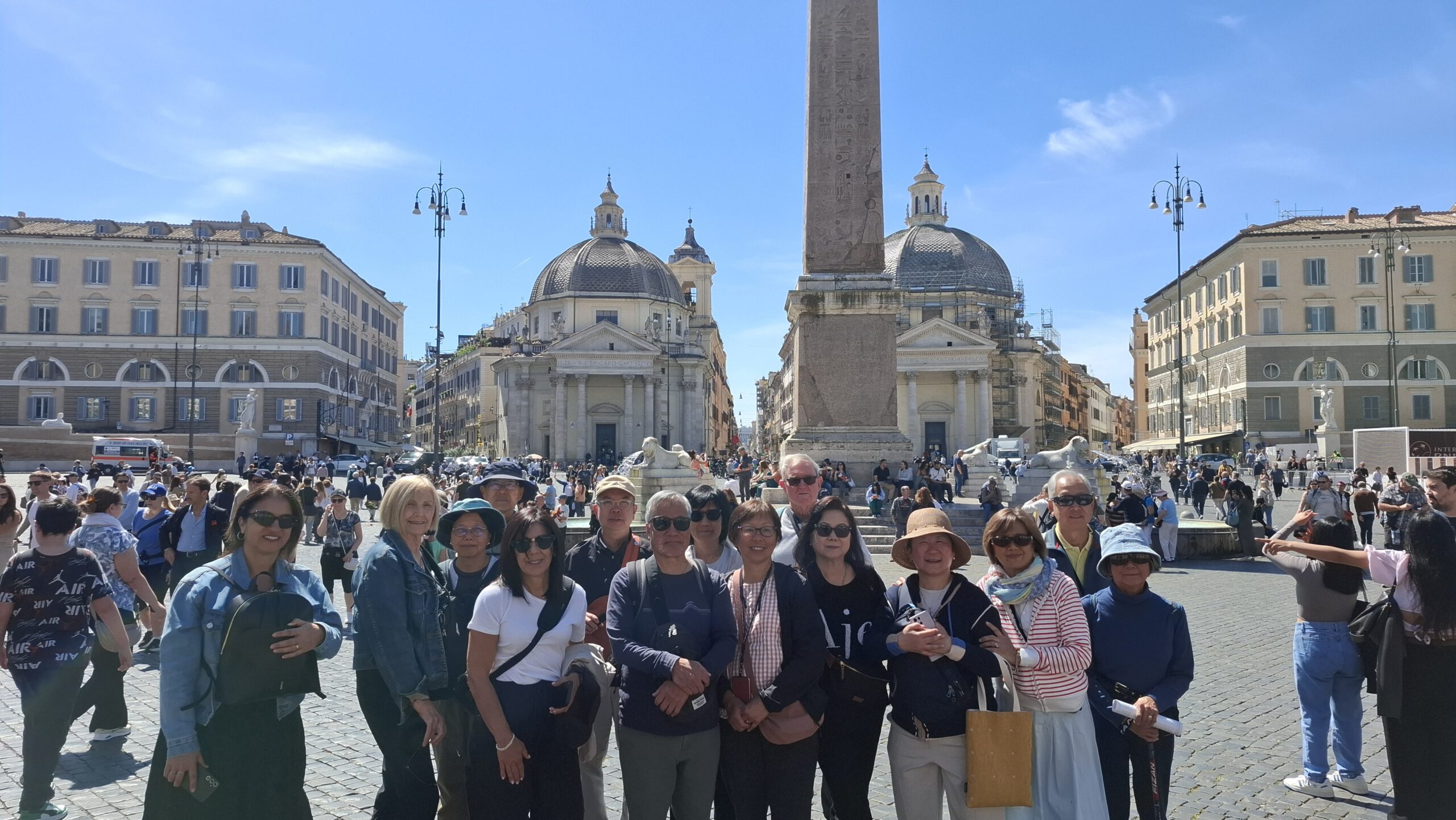
    In Piazza del Popolo, we enter a space that has welcomed travellers for centuries.
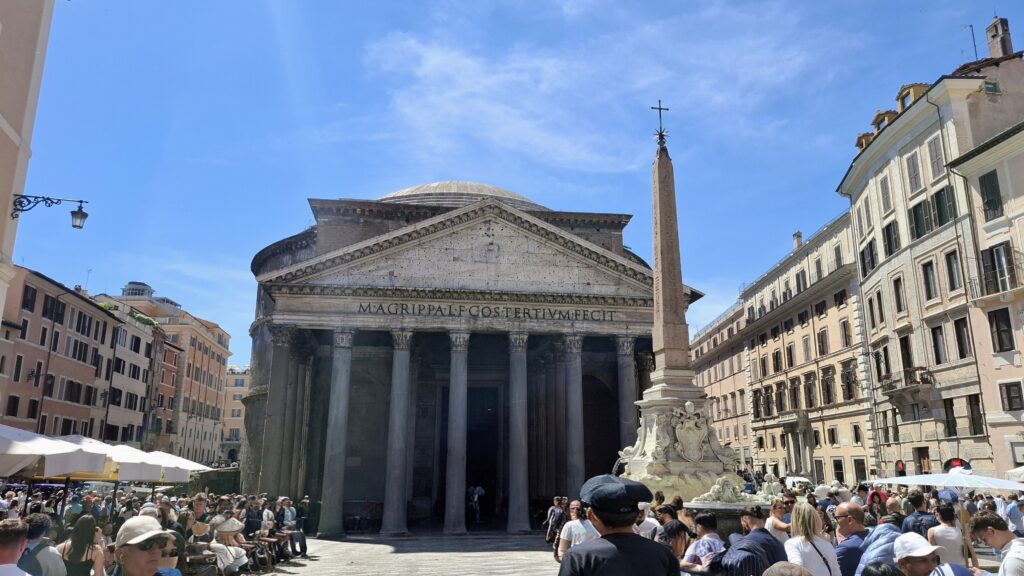
    At the Pantheon, we stand before a building older than Christianity itself—once a temple to many gods, now a church dedicated to the One who transforms all things. Paul preached this very message: that Christ enters every culture, every heart, every story, and makes it new.

    In the Church of St Louis of the French, Caravaggio’s painting draw us into the drama of conversion – The calling of St Matthew, that reminds us of God’s invitation often comes unexpectedly, in the midst of ordinary life. Paul too was surprised by grace on the road to Damascus. We ask for the openness to be surprised today.

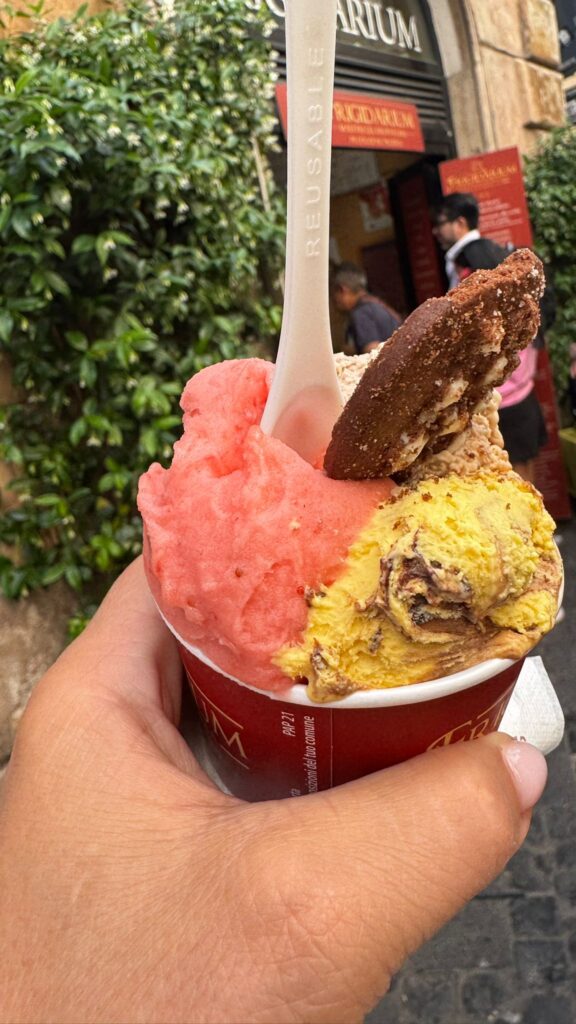
    A well‑earned gelato stop becomes its own moment of grace—joy shared, laughter exchanged, the simple delight of being human together. Even small pleasures can become reminders of God’s generosity.
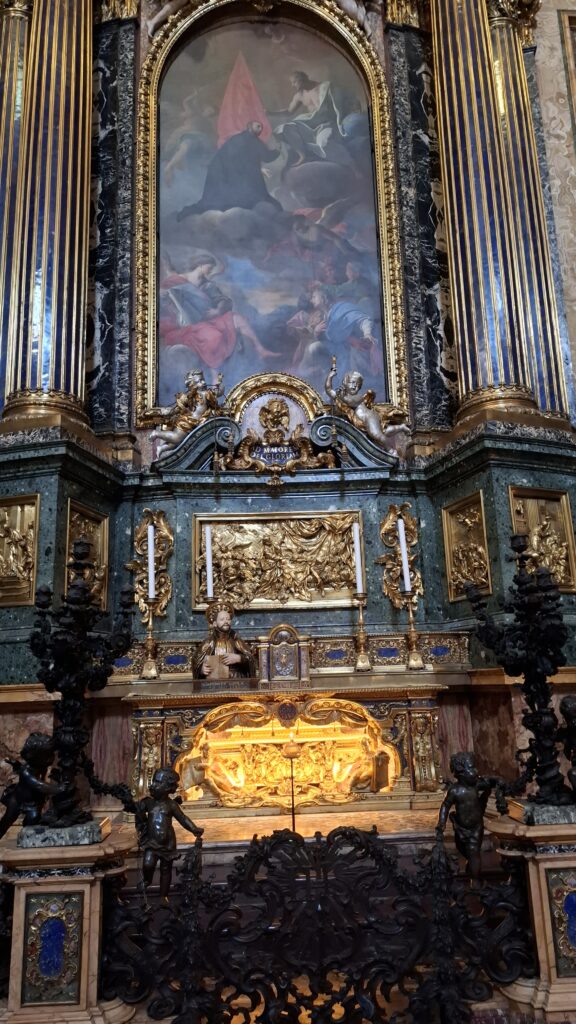
    The Heart for Mission: At the Jesuit Chiesa del Gesù that housed the tomb of Ignatius Loyola,  we reflect on the missionary fire that burned in Paul’s heart.
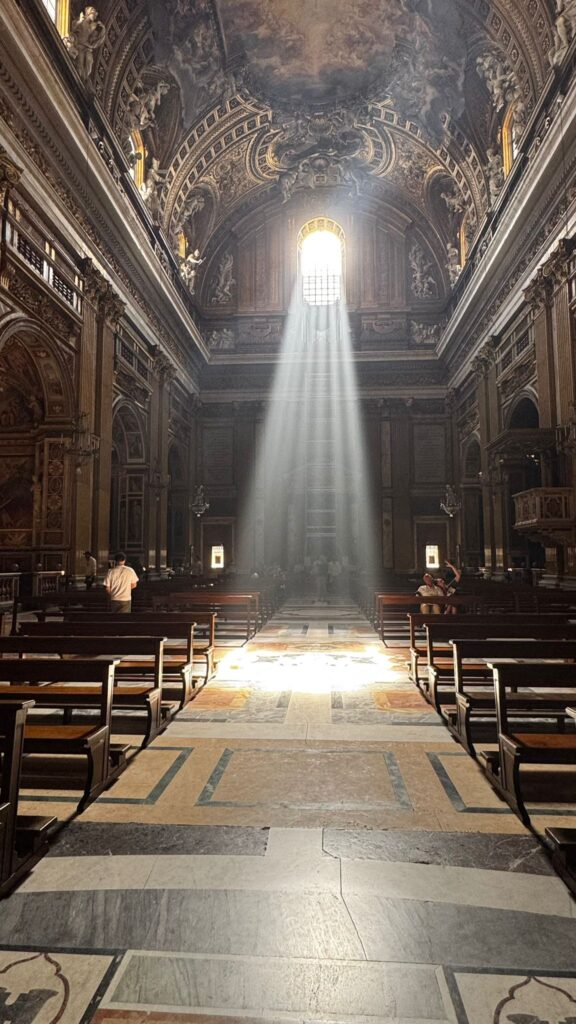
    Chiesa de Gesu

    Like Paul,  Ignatius centuries lived with a restless desire to bring Christ to the world. Here we ask: What is God inviting me to carry forward from this pilgrimage? Where is my mission field?
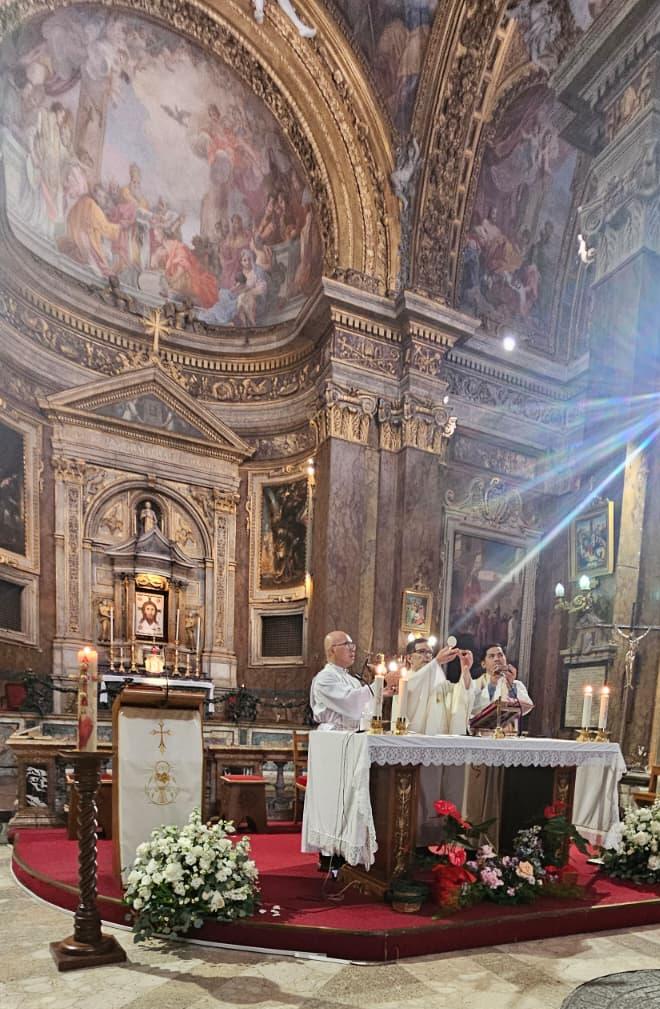
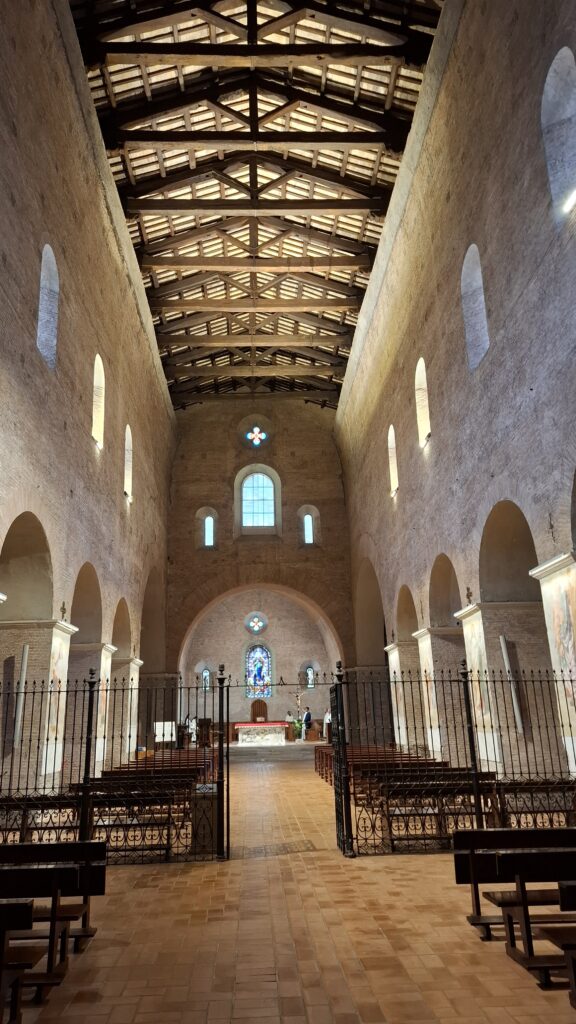
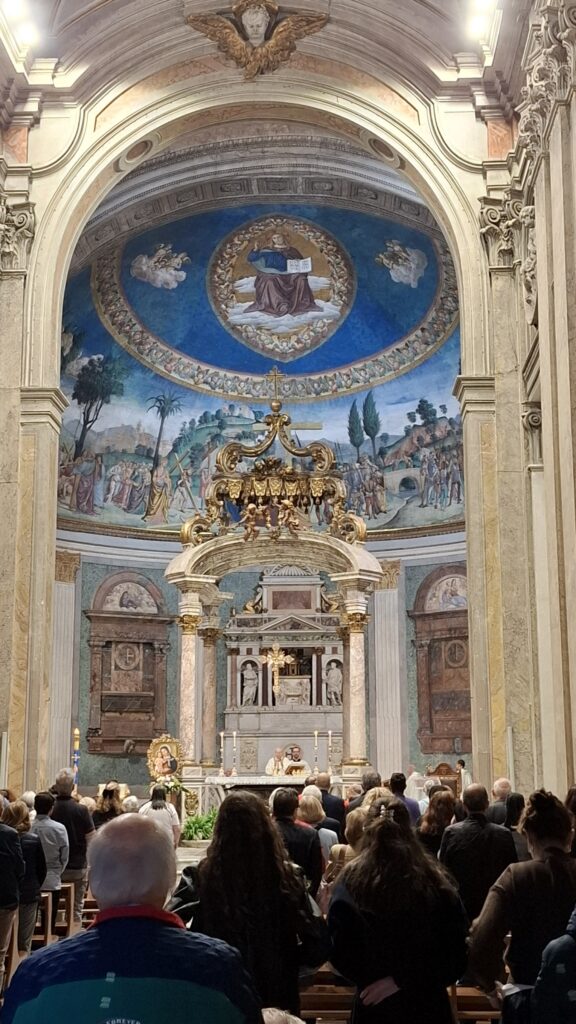
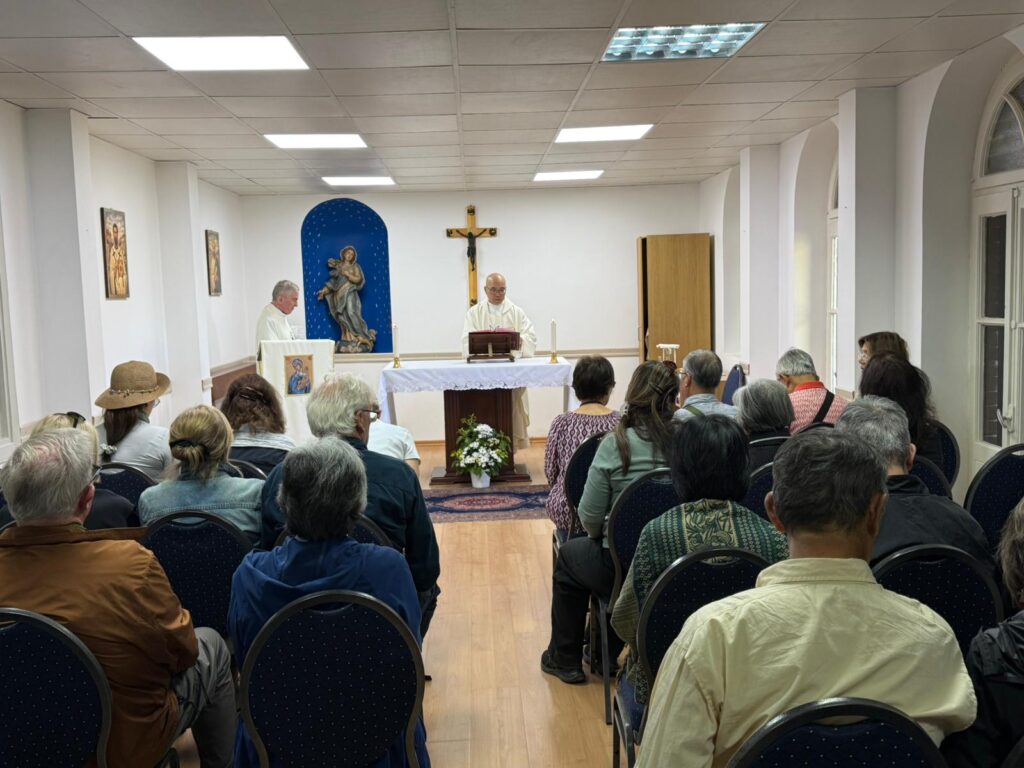
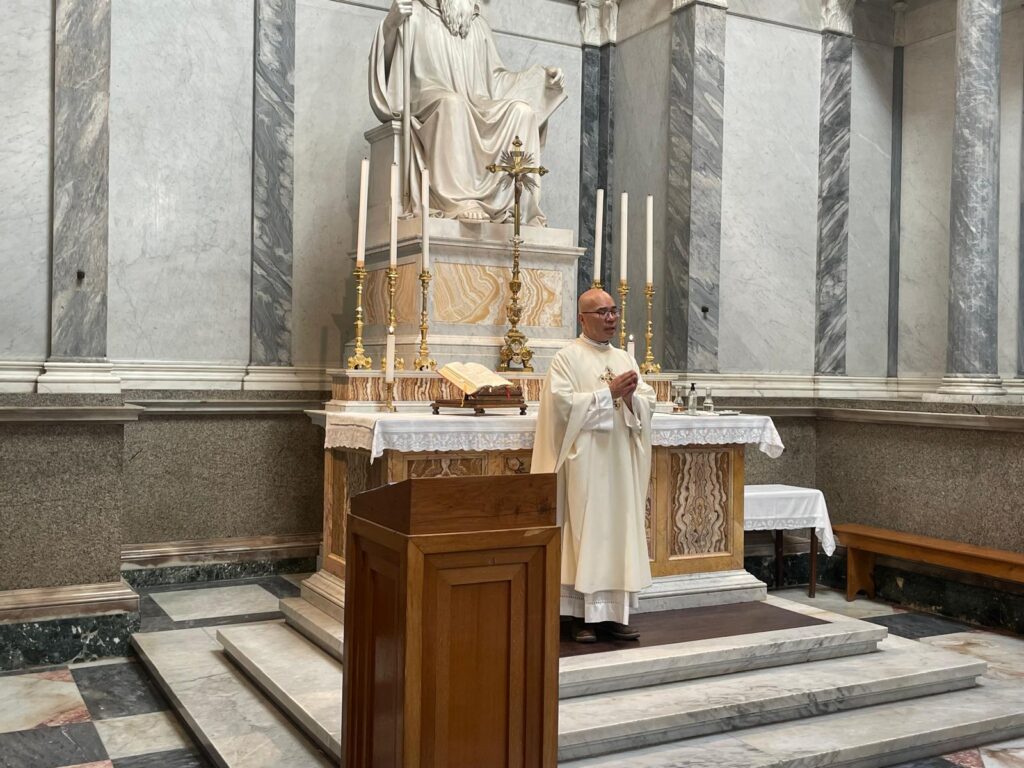
    Mass at San Silverstro in Capite

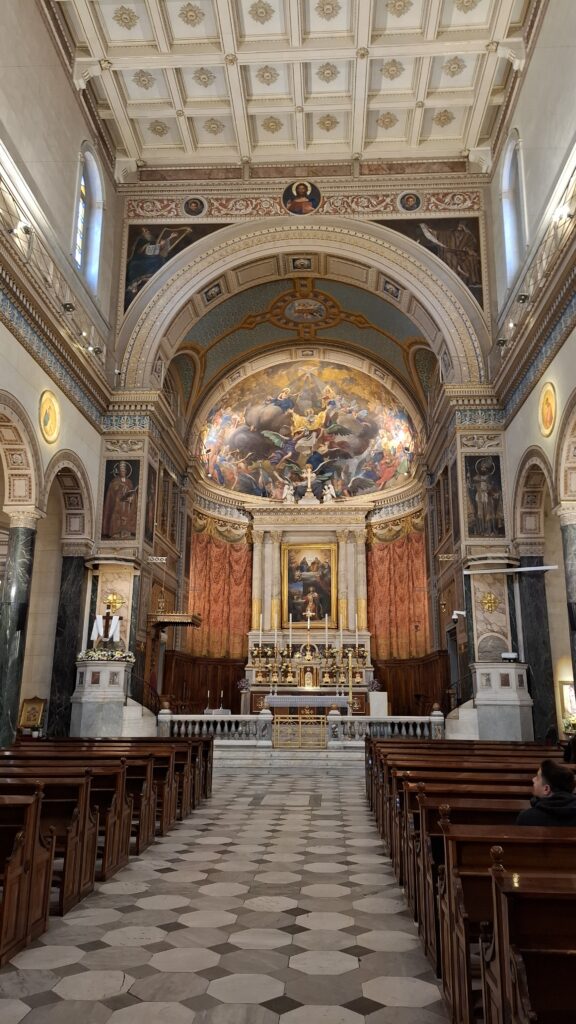
    Finally, we return to San Silvestro for Mass, gathering once more as a community transformed by the day’s journey. The Eucharist becomes the summit of our pilgrimage—Christ feeding us, strengthening us, sending us forth just as He sent Paul.

    Our day concludes with dinner at Le Grotte, where conversation, gratitude, and fellowship continue to deepen the bonds formed along the way. Paul often ended his letters with warm greetings, reminders of friendship, and encouragement.
    Tonight, we echo that spirit as we share a meal and give thanks for the grace of this day.
    Contributed by Josette Charles, Adelaide, South Australia.
  • Day 02 Rome

    4 May 2026: After two amazing, enlightening weeks tracing the footsteps of St. Paul through Greece and Turkey, we arrived in beautiful Rome! As the saying goes “All roads lead to Rome” For us as Catholics, Rome and the Vatican is our spiritual home.

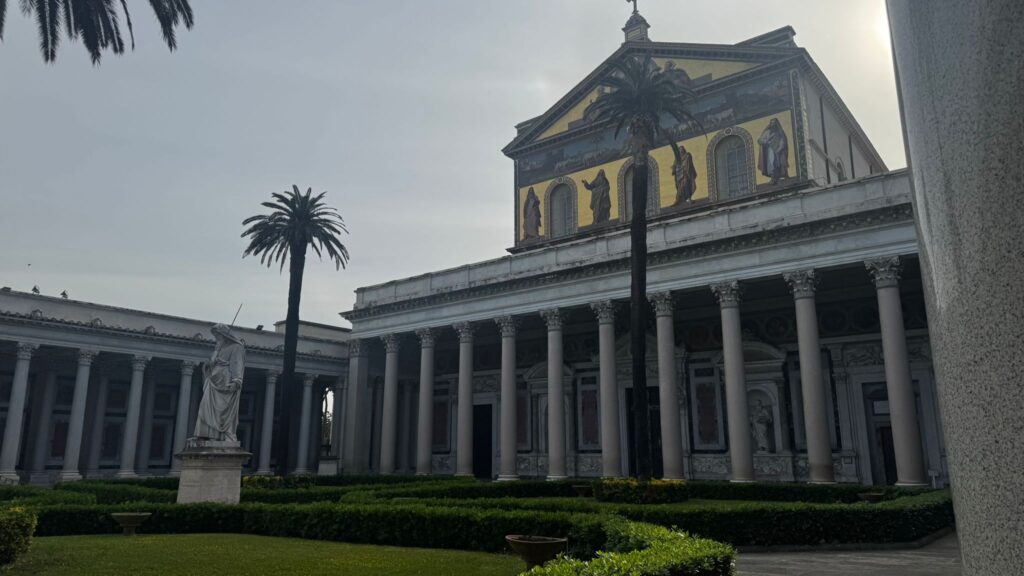
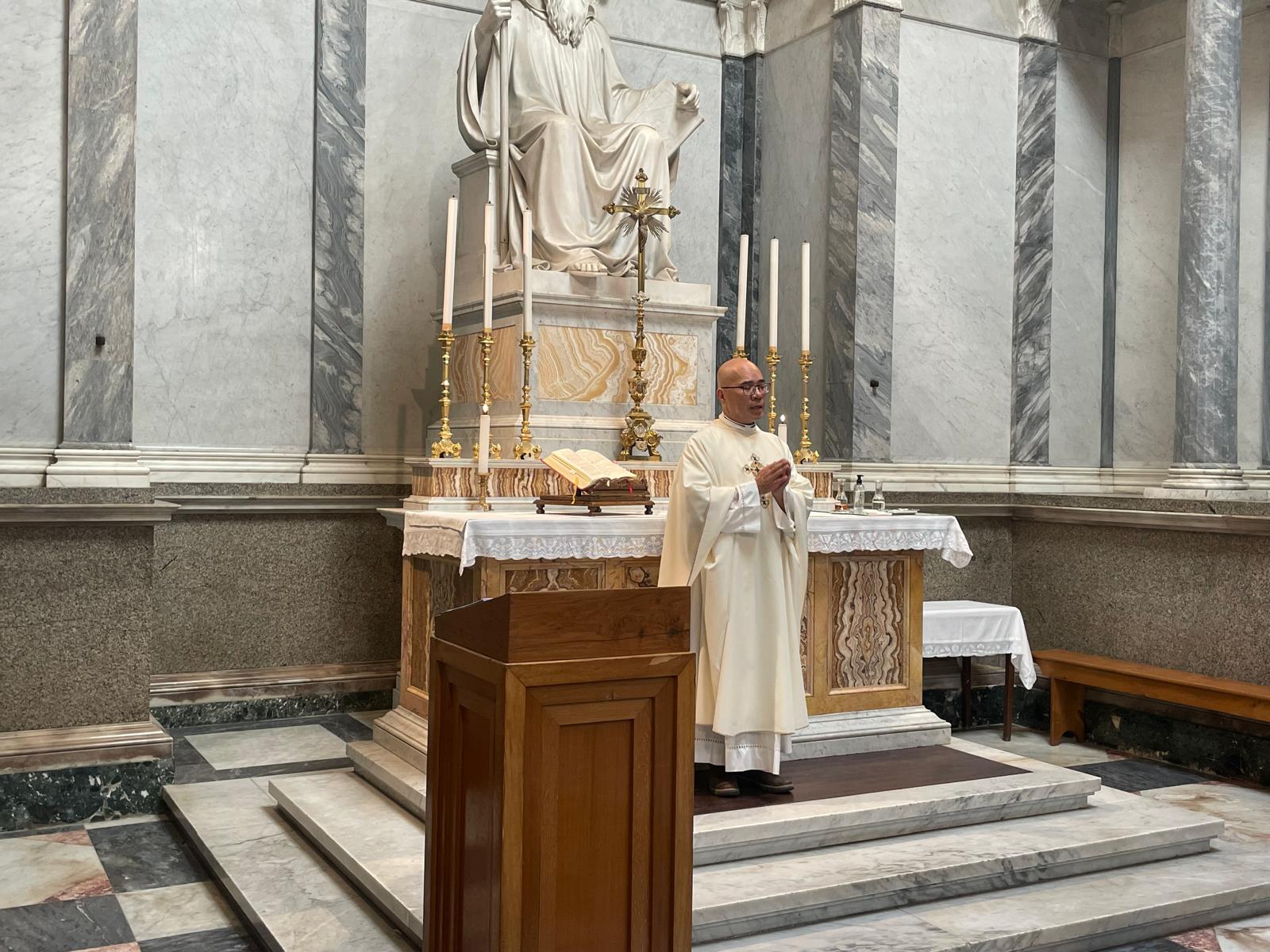
    As pilgrims on this journey, we continue to follow St Paul’s journey into Rome, where he was executed and buried.We began the day with Mass in the Chapel of St Benedict at the beautiful Papal Basilica of St. Paul Outside the Wall, where St Paul’s tomb is located, as well as the chain that bound his hands.

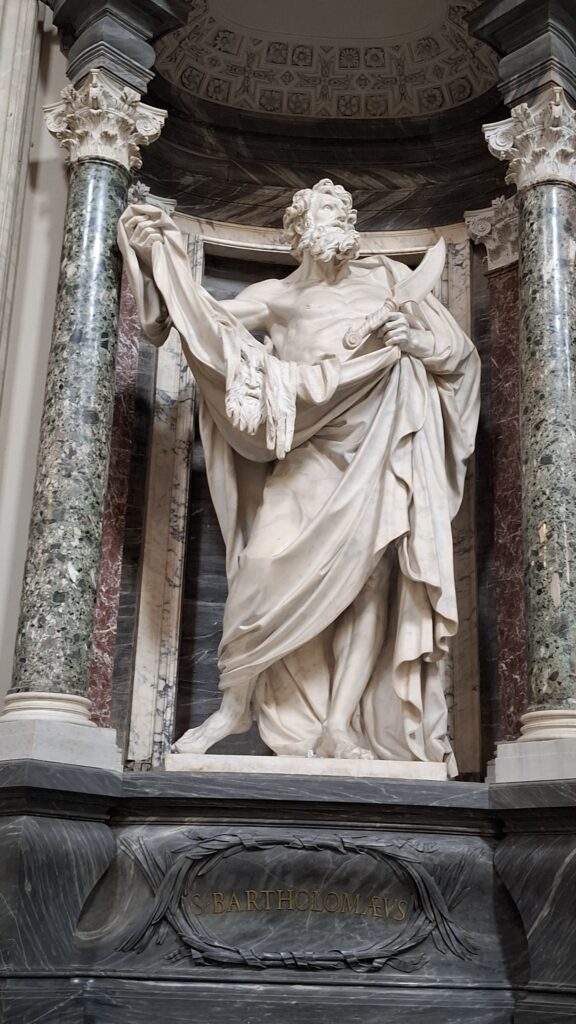
    For the love of God he humbled himself, as Christ did and gave his life for the sake of spreading the good news to all peple. There are two enormous statues of St Peter with the keys and St. Paul with the sword and the bible. Lining along the walls of the Basilica are portraits of popes up to our current Pope Leo XIV.

    We then had a tour of Beda Pontifical College where half the group are staying and which was Fr Alex’s home for 4 years while studying for the priesthood. Fr Andrew Unsworth, one of the seminary formators, explained its rich history. Beda college is under the jurisdiction of the Bishops of England and Wales. It is named after St Bede, with the idea for the college planted by St John Henry Newman, an Anglican minister who converted to Catholicism. The college was established for men who are called to priestly vocation later in life.

    We visited the trappist Monastery at Tre Fontane where St. Paul’s head bounced three times when he was executed by beheading.

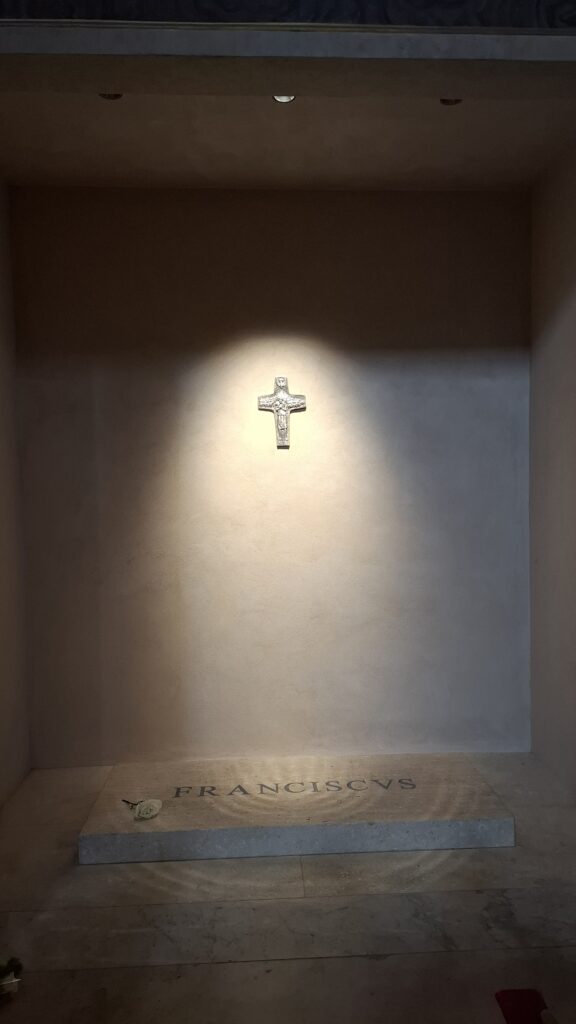
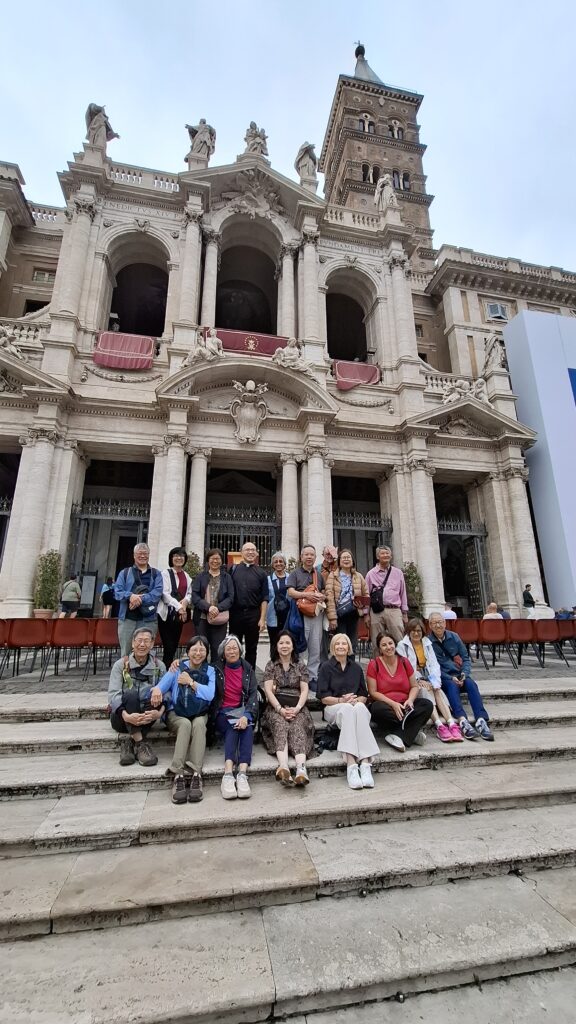
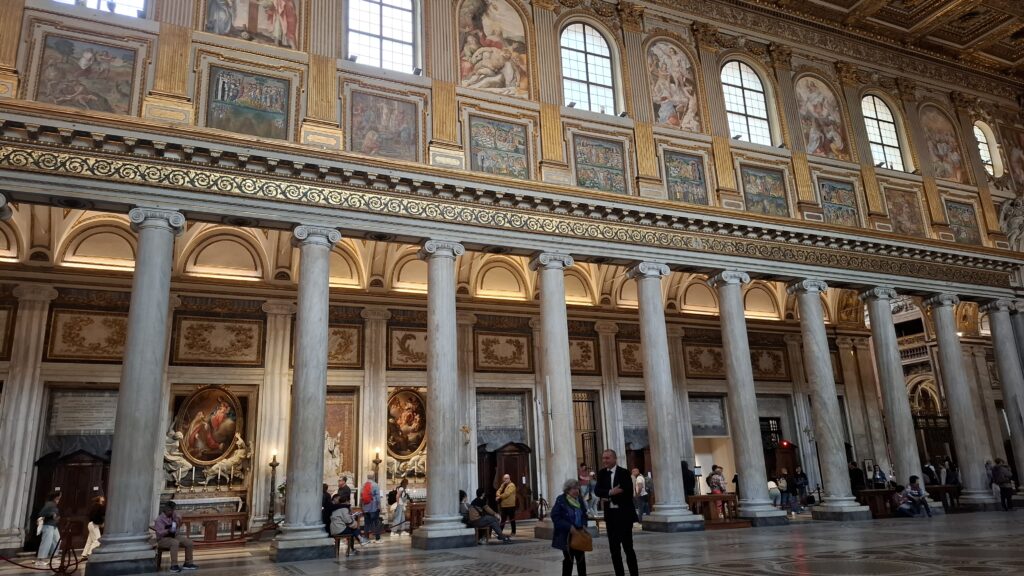
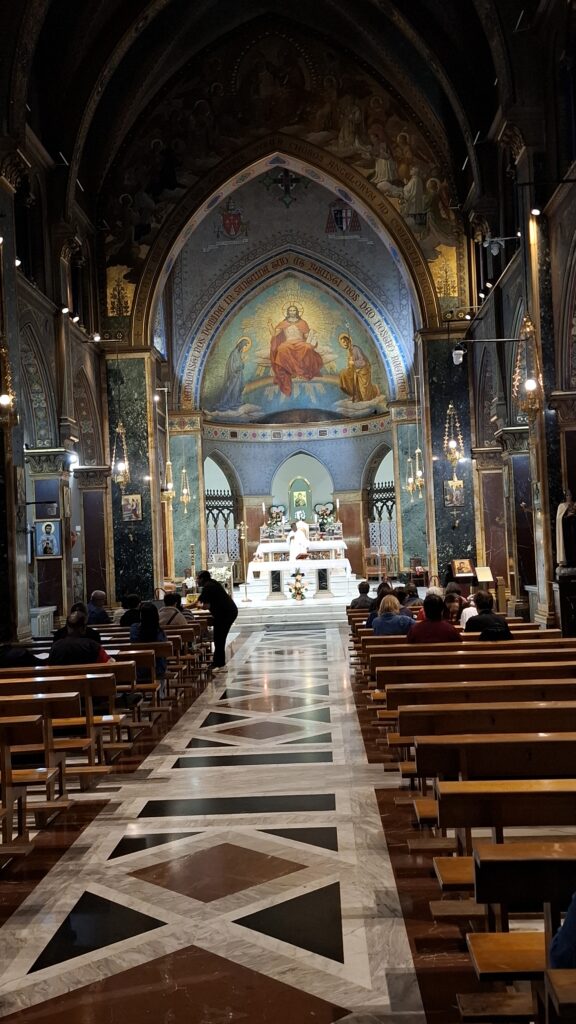
    Later on, we visited The Basilica of Mary Major, the first church to be named for Mary and is one of the four papal basilicas in Rome. It houses Luke’s portrait of Mary (as tradition holds it) as well as the tomb of Pope Francis. From there we went to the Church of St Alphonsus de Liguori (founder of the Redemptorist order) which holds the original icon of Our Lady of Perpetual Succour.

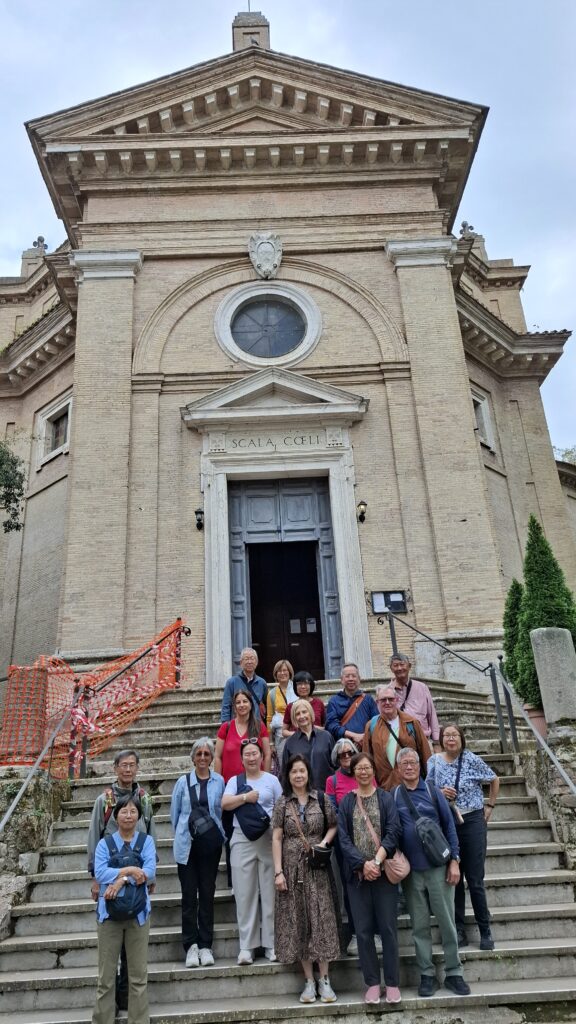
    We visited briefly the Scala Santa (Holy stairs) – these stairs which Jesus climbed to receive his verdict from Pontius Pilate and the crowd. It was brought here from Jerusalem by Helena, mother of Constantine first Christian Roman emperor.

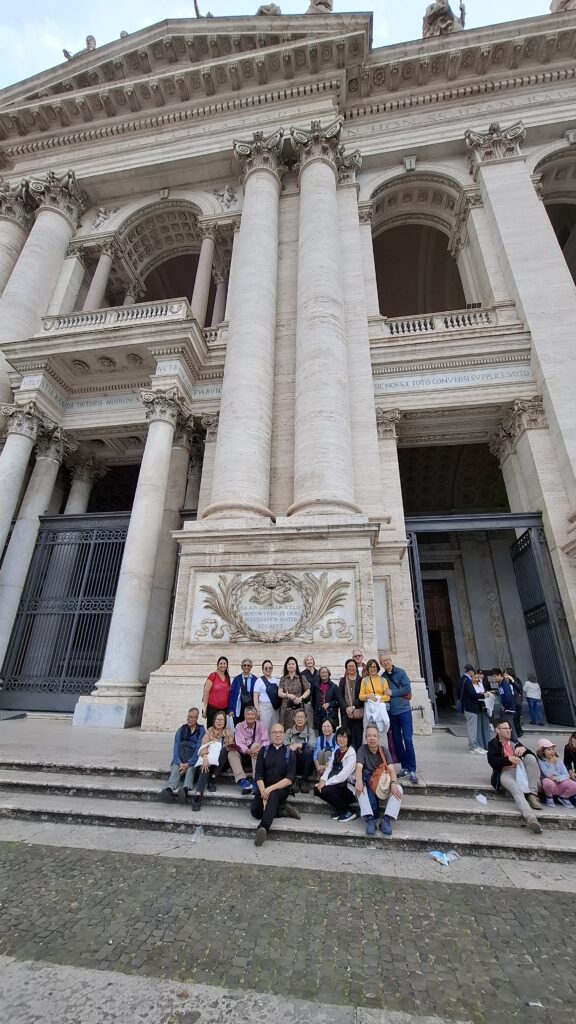
    We then cross the road and visited the Papal Basilica of St. John Lateran, where the Bishop of Rome (the Pope) sits. In practice, he likely delegates a cardinal to act on his behalf. It was built by Constantine in the 4th century.

    Finally we visited the Basilica Santa Croce in Gerusalemme that housed the tools of the passion Christ.

    It was a day filled with enlightenment and meaning, reflecting on the significant events in Christ’s and St. Paul’s lives and the many holy men and women that have led us on our spiritual and physical journey to where we are now.

    Contributed by Sharon La Fontaine, St Timothy Forest Hill.

  • Day 10 Istanbul

    Day 10 Istanbul

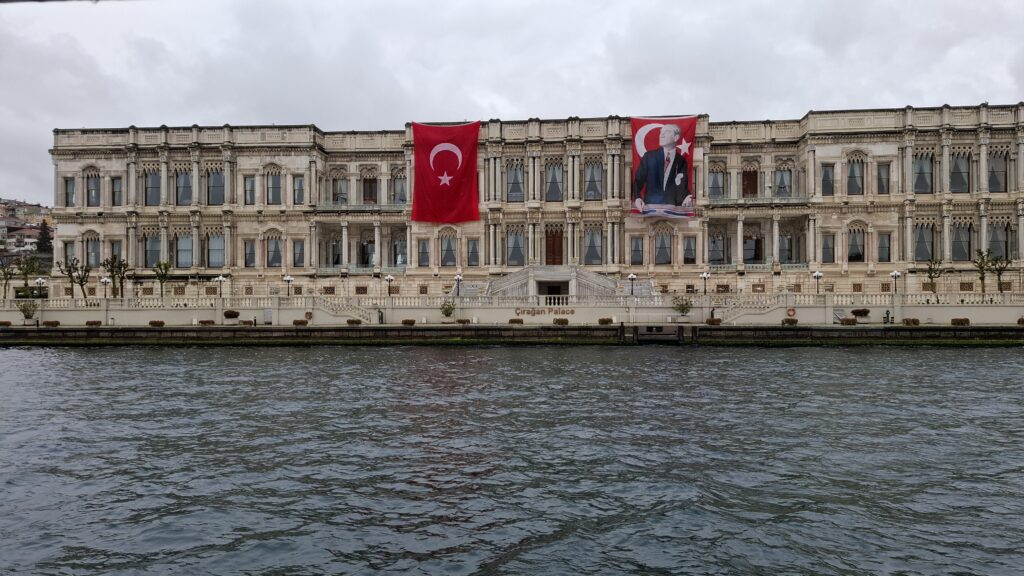
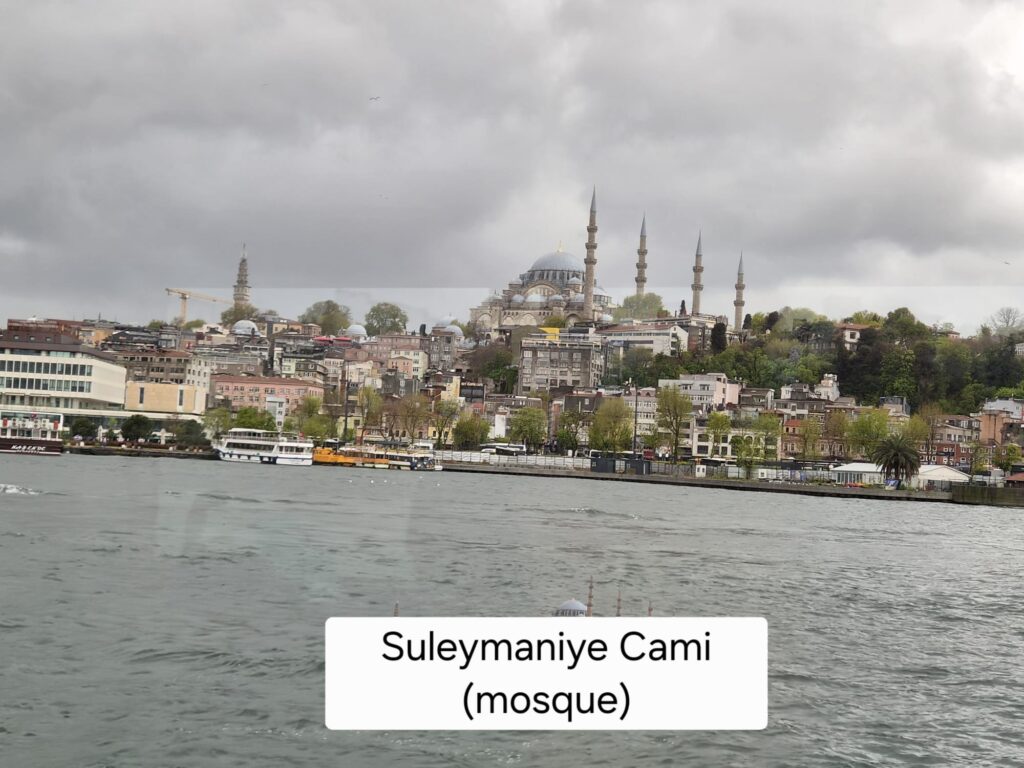
    01 May. We started the day with drizzling rain, but our spirit was high. We drove south along the water of Golden Horn. We got on board the cruise boat Basari on the west side of the water and started sailing south crossing underneath the Galata Bridge.

    The boat turned north along the Bosphorus (Strait of Istanbul) which provides the connecting waterway between the Black Sea and the Sea of Marmara. We passed through a number of iconic structures and famous hotels such as the Ottoman Palaces, Albanian neighbourhood, Egyptian Consulate, Suleymaniye Cami (mosque), and the Leander’s Tower before we disembarked. We finished the 2-hours relaxing cruise, knowing that Fr. Chris could have spotted our boat while flying back to Manchester. We were pleased to know that Fr. Chris’s flight touched down safely in Manchester at around 2:30 pm.

    The early lunch enabled us to look for authentic Turkish food which, honestly, is more appealing than the Greek one.

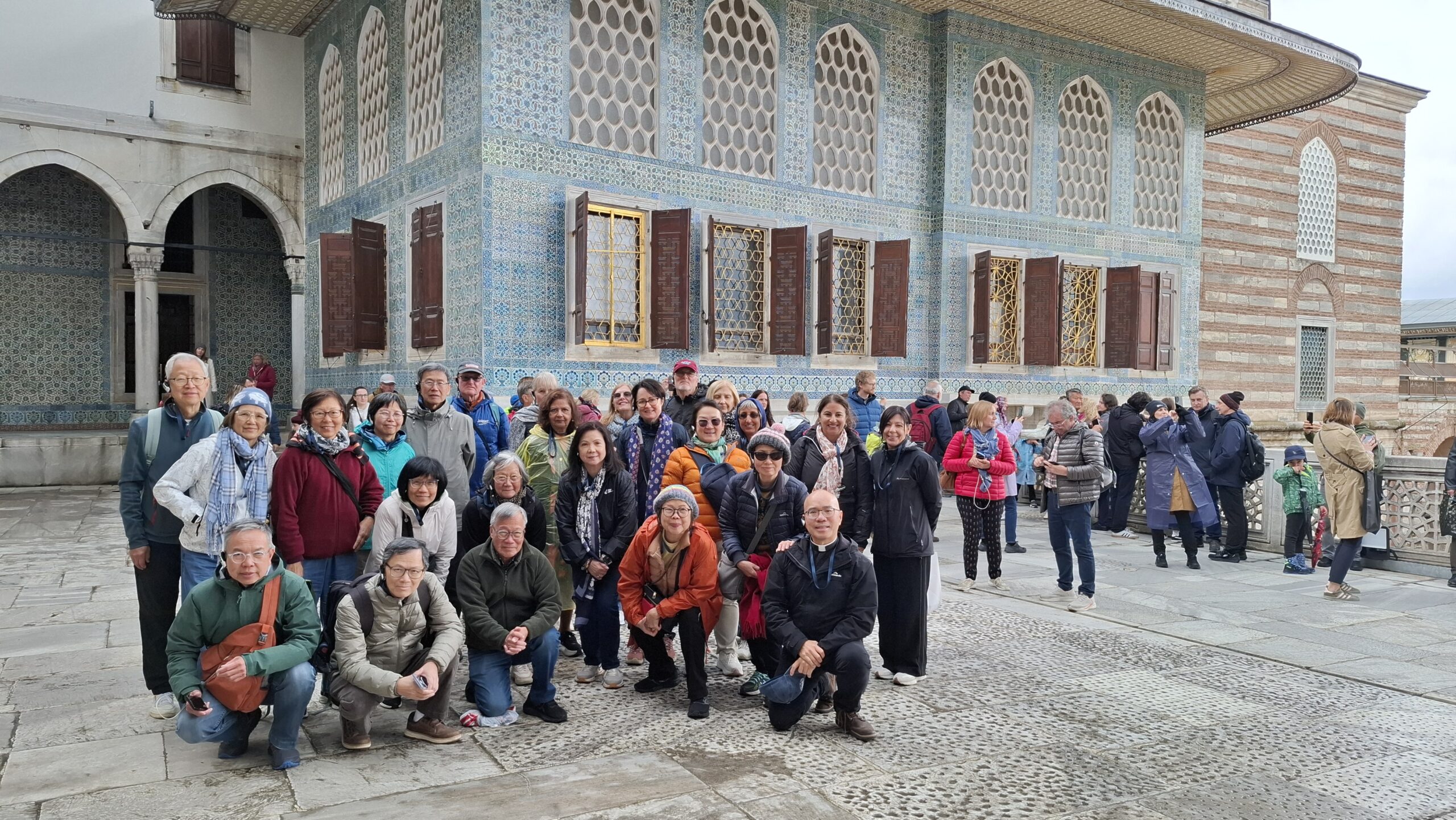
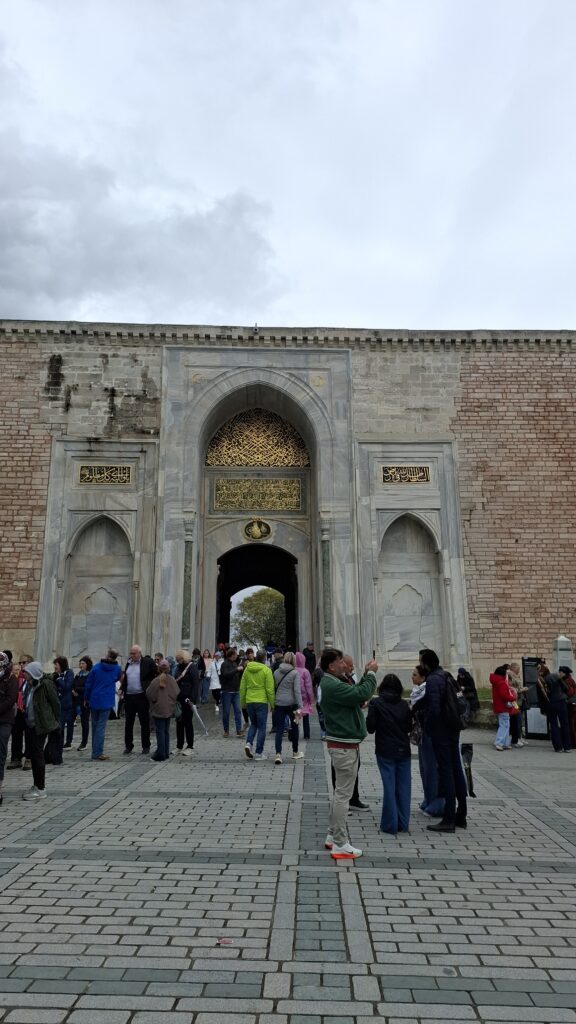
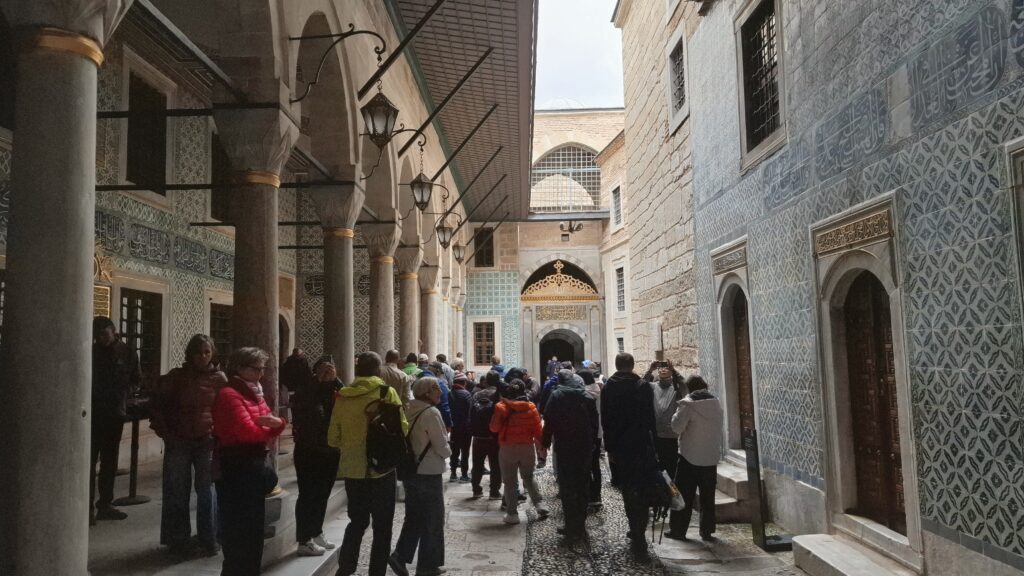
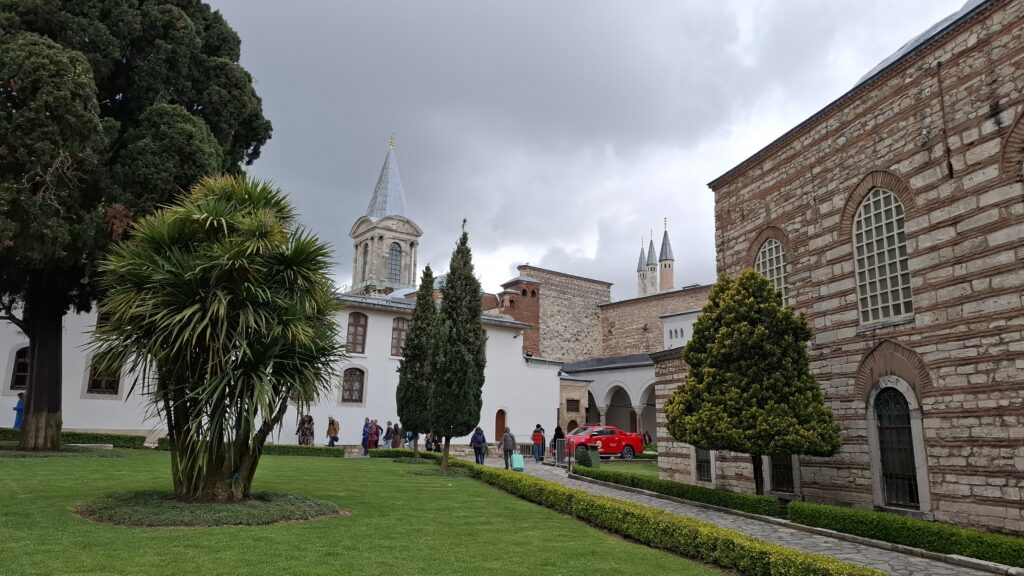
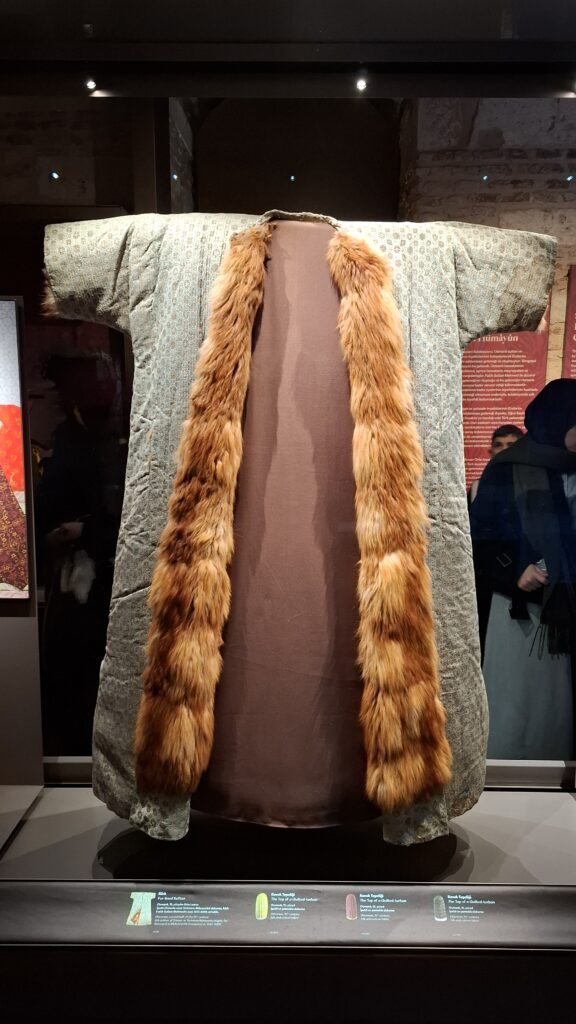
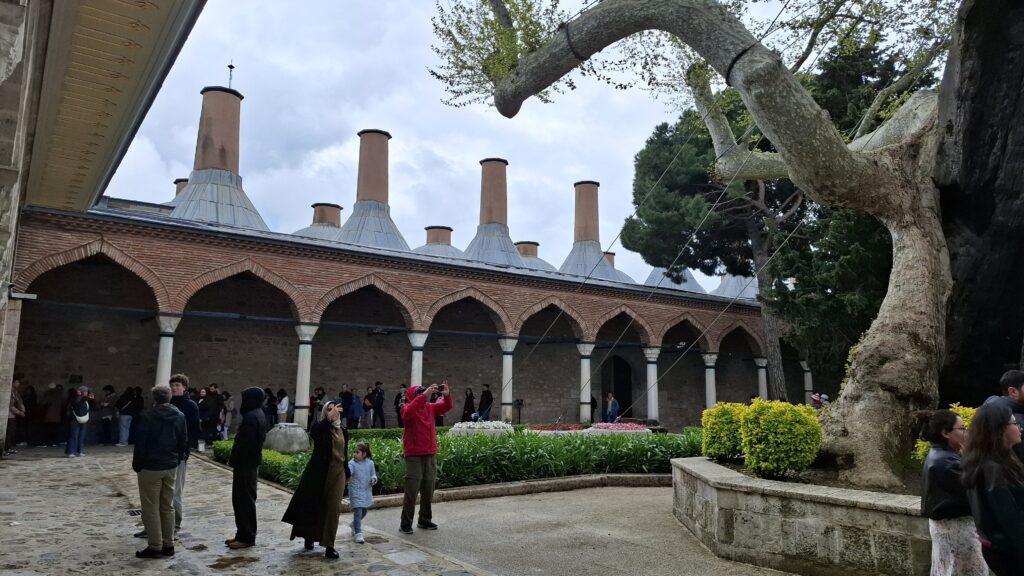
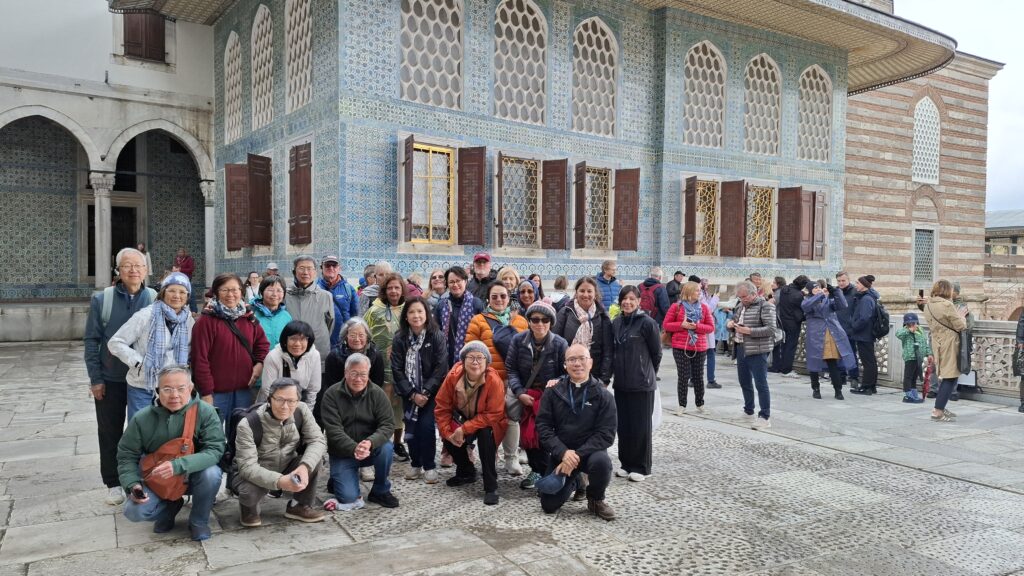
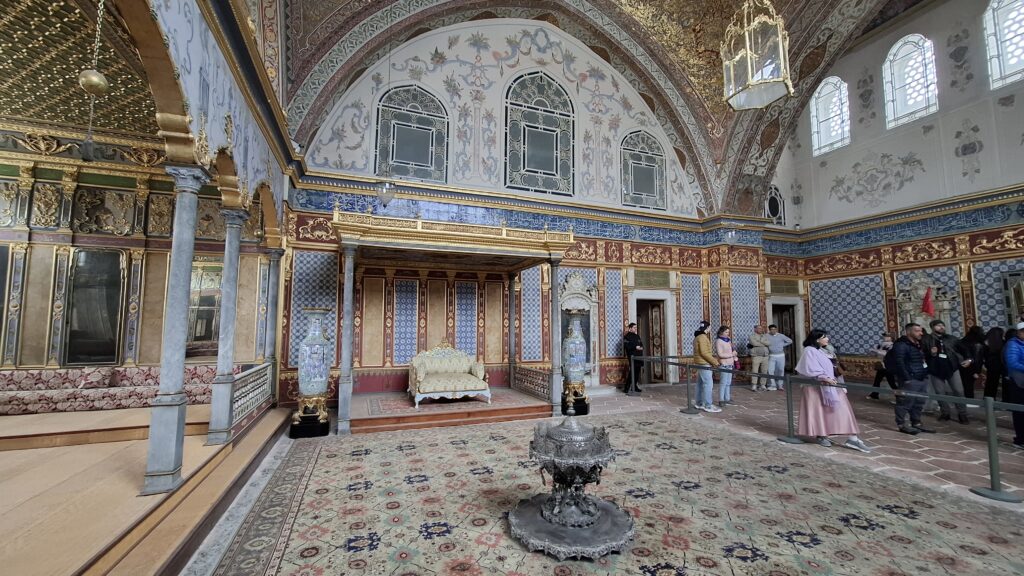
    After lunch, we visited the famous Topkapi Palace. We started from the south gate of the Palace and walked through the Carriage Gate of Harem which served as the residential quarters of the concubines of the Sultan.

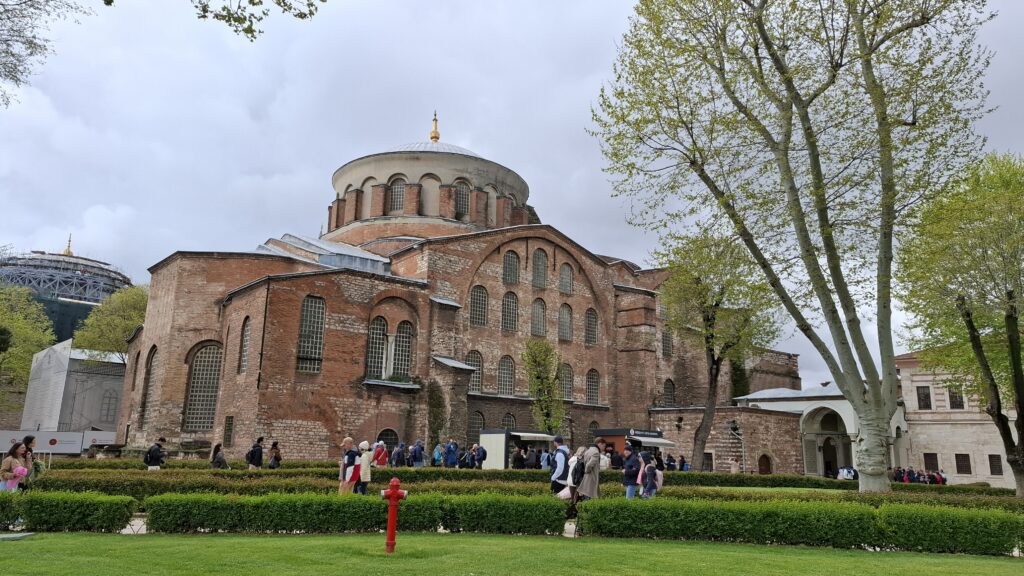
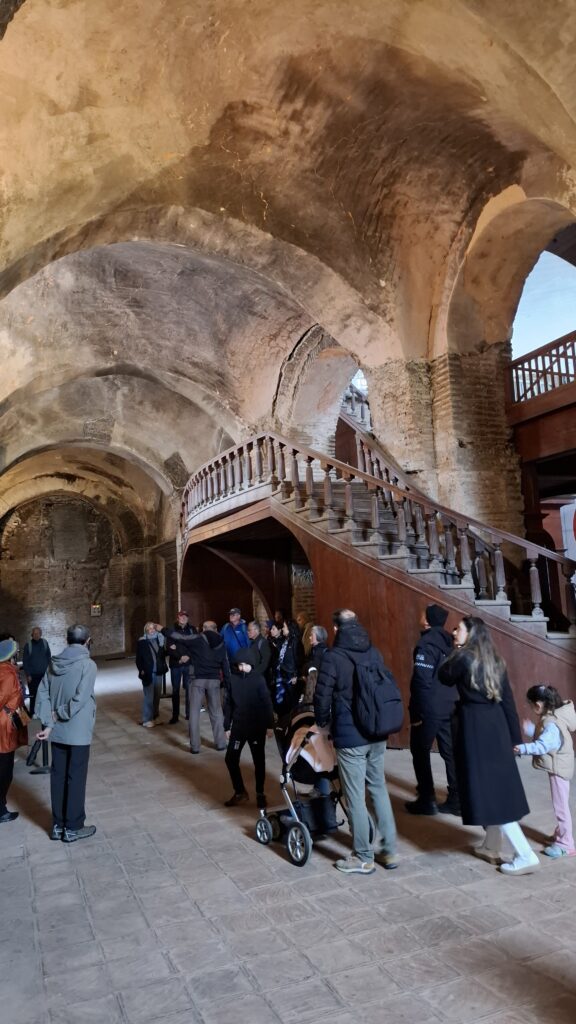
    Other places of interest included the meeting place between the Sultan and his ministers, the Church of Hagia Eirene where the second ecumenical council was held in 381 AD (under renovation).

    We finished the day by having a mass celebration at the hotel, thanking God for protecting us with His grace, love, and care throughout the journey. Seven of us will say goodbye to the rest of the group who will continue their pilgrimage in Rome tomorrow.

    Bill Wong, Our Lady of Perpetual Succour, Wattle Park, Victoria.

  • Day 8 Ephesus, Turkey

    Day 8 Ephesus, Turkey

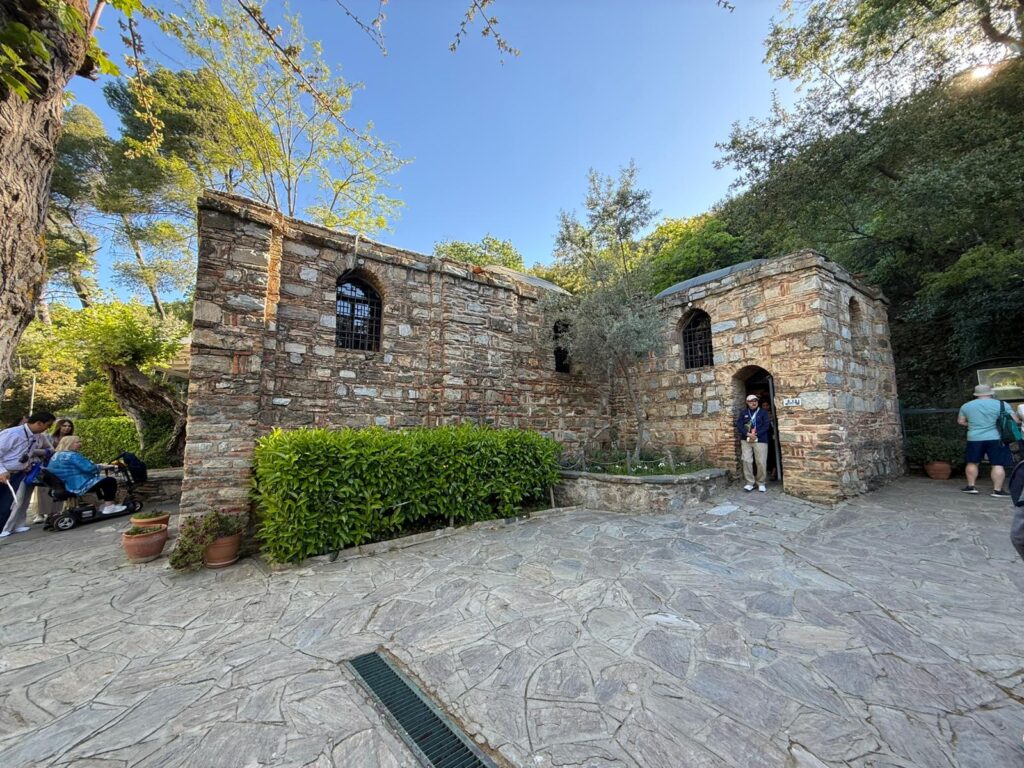
    We began the day with a generous breakfast which gave us energy for the day ahead. Our first visit was to the house of Mary, mother of Jesus, set high on the hill above Ephesus (present day Selcuk). It is widely believed that this is where Saint John the Evangelist cared for Mary during her final years on earth.

    At a time when Christians were still persecuted, the location—removed from the city—would have offered some protection. The foundations of the building date back to the first century, and we were very blessed to celebrate Mass in this location.

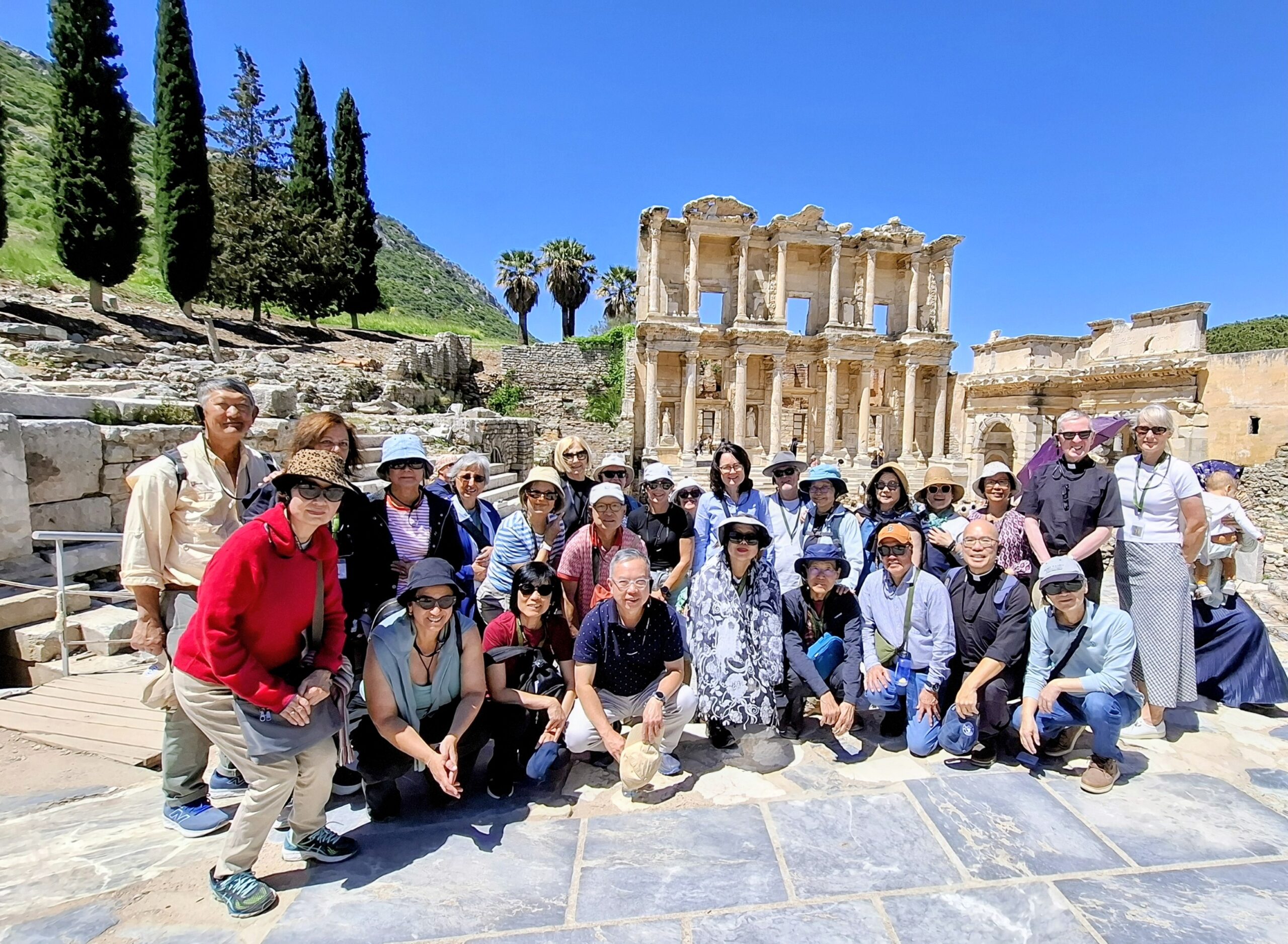
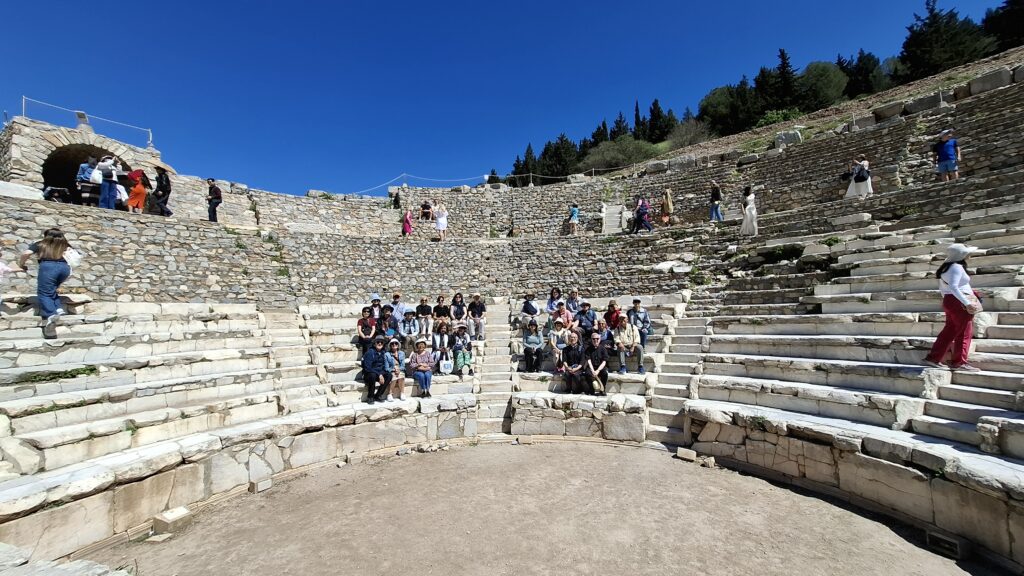
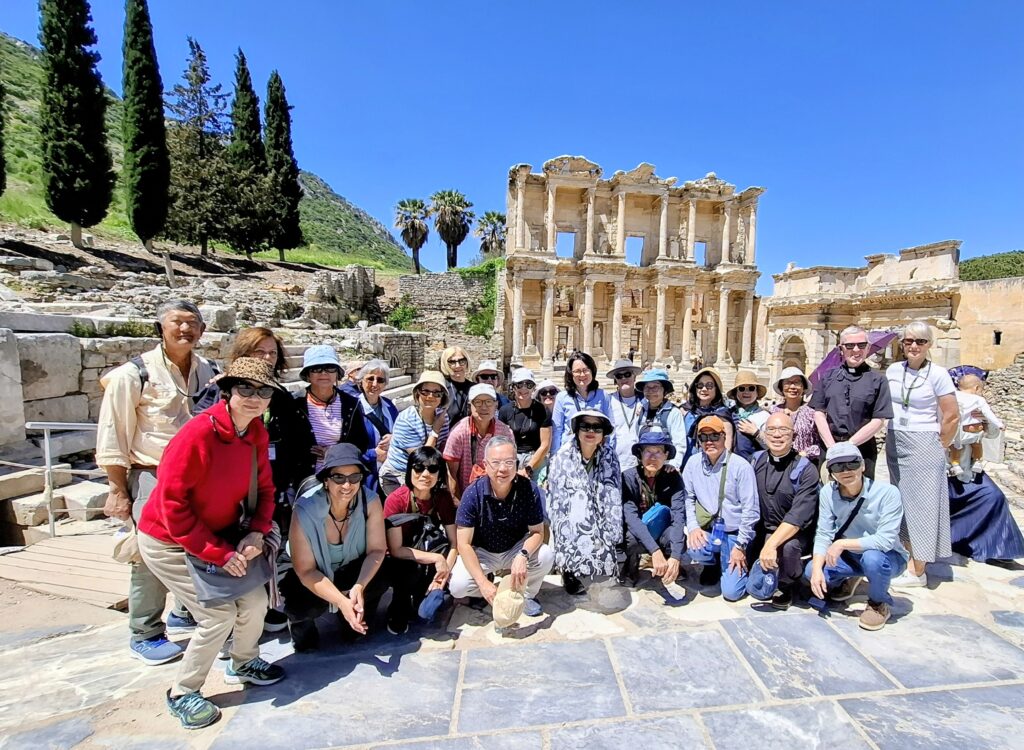
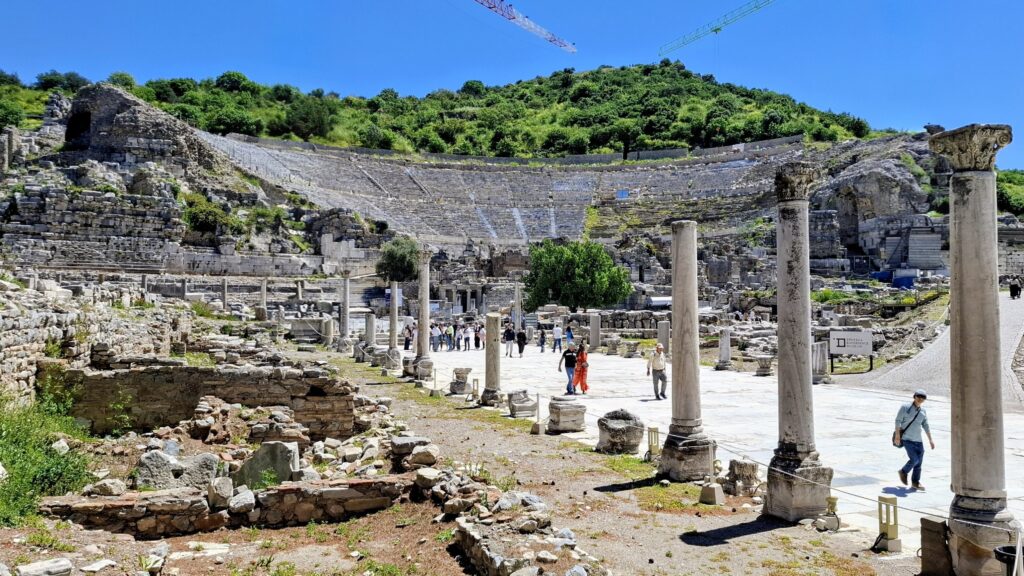
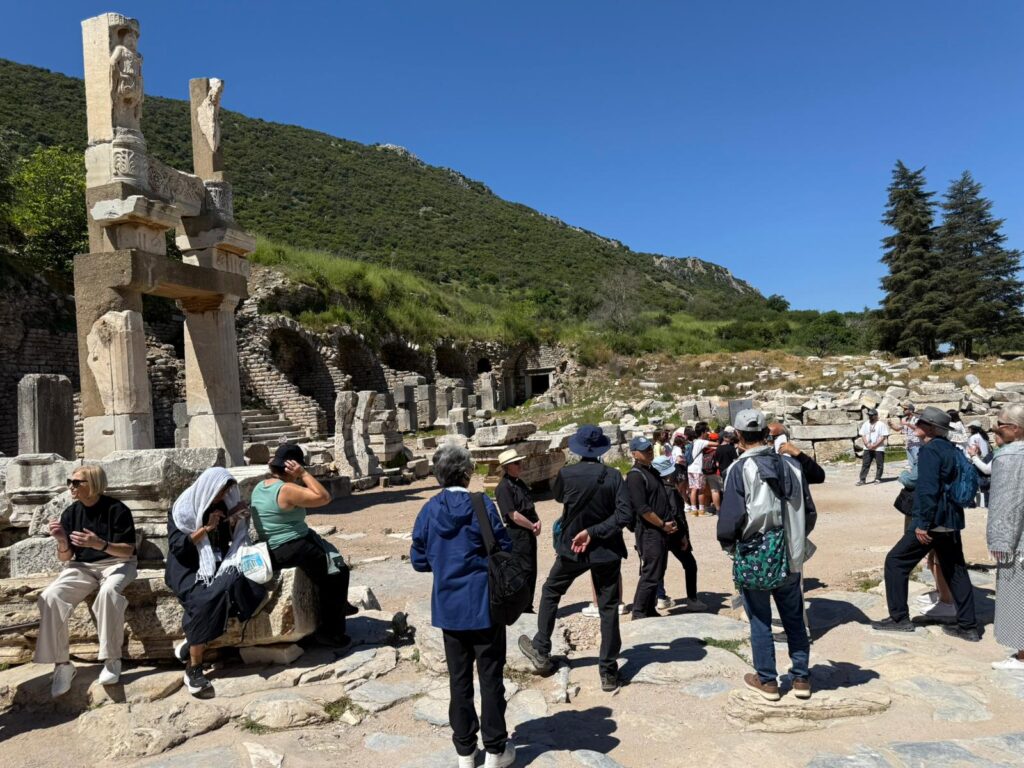
    From there, we proceeded to the ancient ruins of Ephesus, one of the Mediterranean’s best-preserved Greco-Roman cities. Founded in the 10th century BC, it later became a significant Roman port city, home to landmarks such as the Library of Celsus, the Great Theatre, and the Temple of Artemis—one of the Seven Wonders of the Ancient World.

    The church of Ephesus, was planted by St Paul and is one of the seven churches mentioned in the book of Revelations.

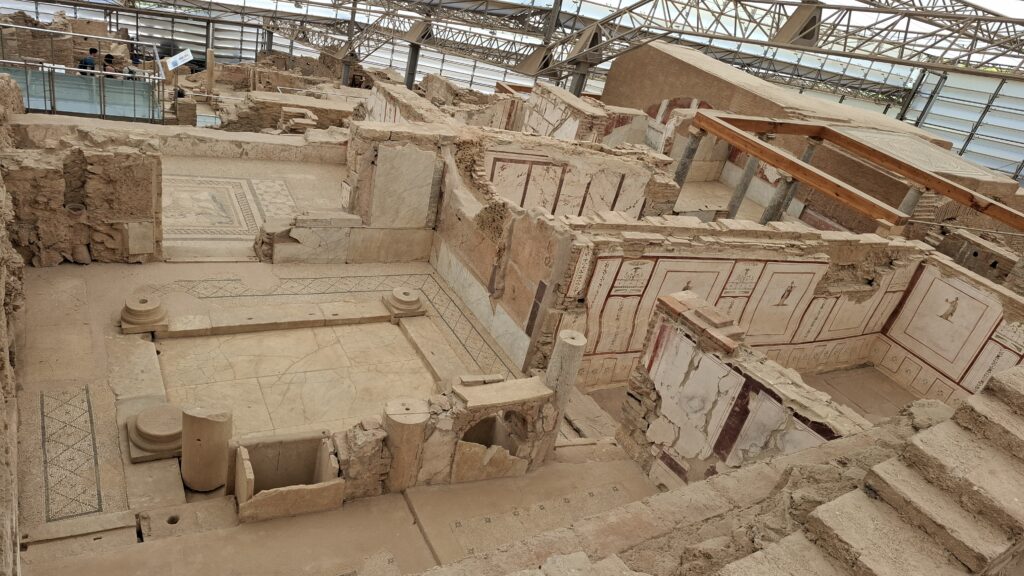
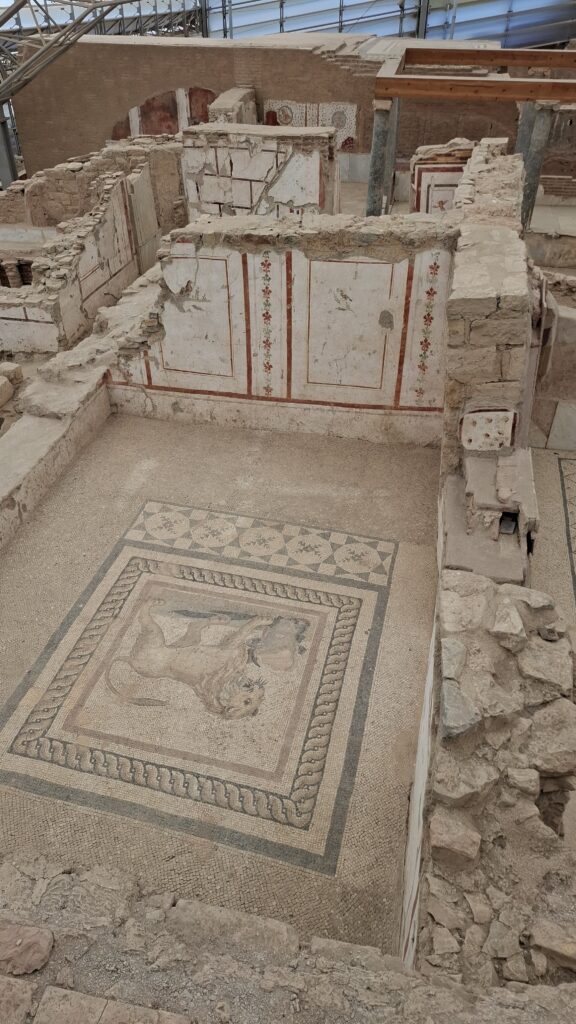
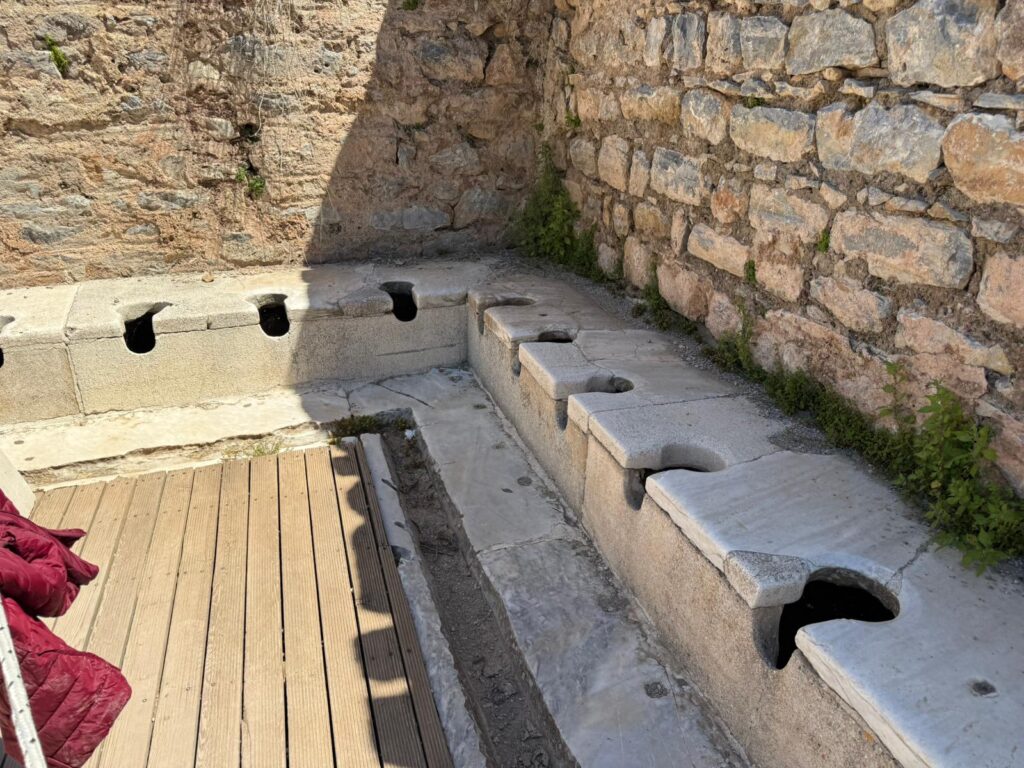
    Exploring the city gave insight into daily life at the time. We saw everything from public bathhouses and toilet blocks to the terrace homes of wealthy families, where walls with intricate painted designs and marble flooring have been preserved.

    Roman life in Ephesus appeared highly organised and advanced, and likely quite comfortable for many.

    In this context, Paul and his followers were truly courageous when preaching the good news. Acts 19:28–41 records the near riot that occurred when Saint Paul and his disciples preached Jesus as the one true God in the Grand Theatre, threatening the livelihood of silversmiths who made items for the worship of the Roman god Artemis. It made me think that perhaps I need a bit of extra courage to share my faith with others in our comfortable modern world.

    Ephesus also remained important in later Church history. The Council of Ephesus was held here in 431 AD


    This Council helped clarify an essential Catholic doctrine: Jesus Christ is truly God and truly man, united in one Person, so that worship and faith are not divided into separate “divine” and “human” nature in Christ. In addition, the Council confirmed the title of Mary as the Mother of God  thus, establishing an extraordinary theological relationship between Mary and Christ.

    Mary has always been strongly linked to Ephesus through the decision of the council.

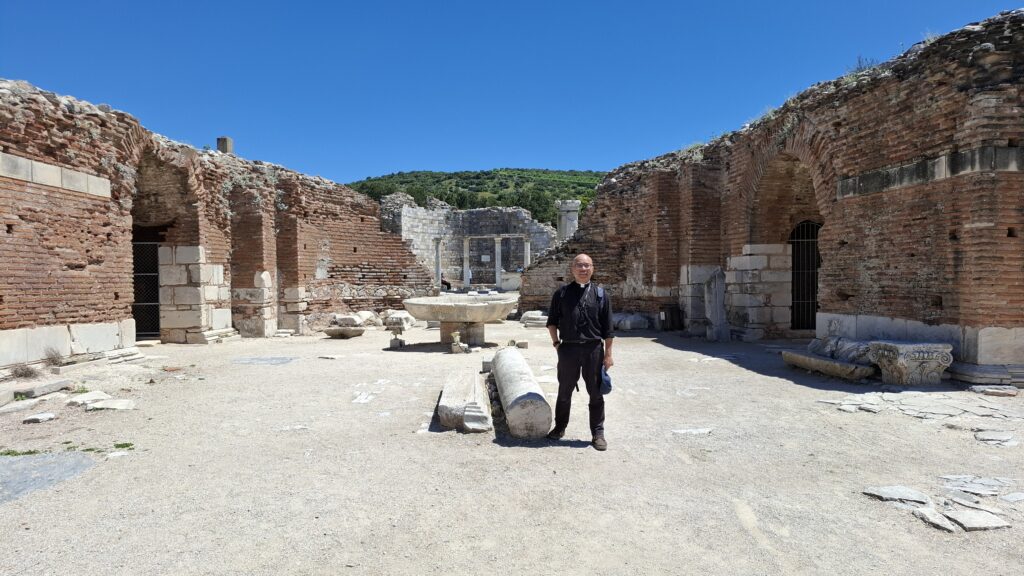
    Finally, we visited the remains of the 6th-century Basilica of St John, built over what is believed to be the tomb of Saint John the Evangelist.

    A very full and rich day.


    Contributed by Anne Loughnan , St. Benedict’s , Burwood, Victoria

  • Day 7 Izmir (Symrna)

    Day 7 Izmir (Symrna)

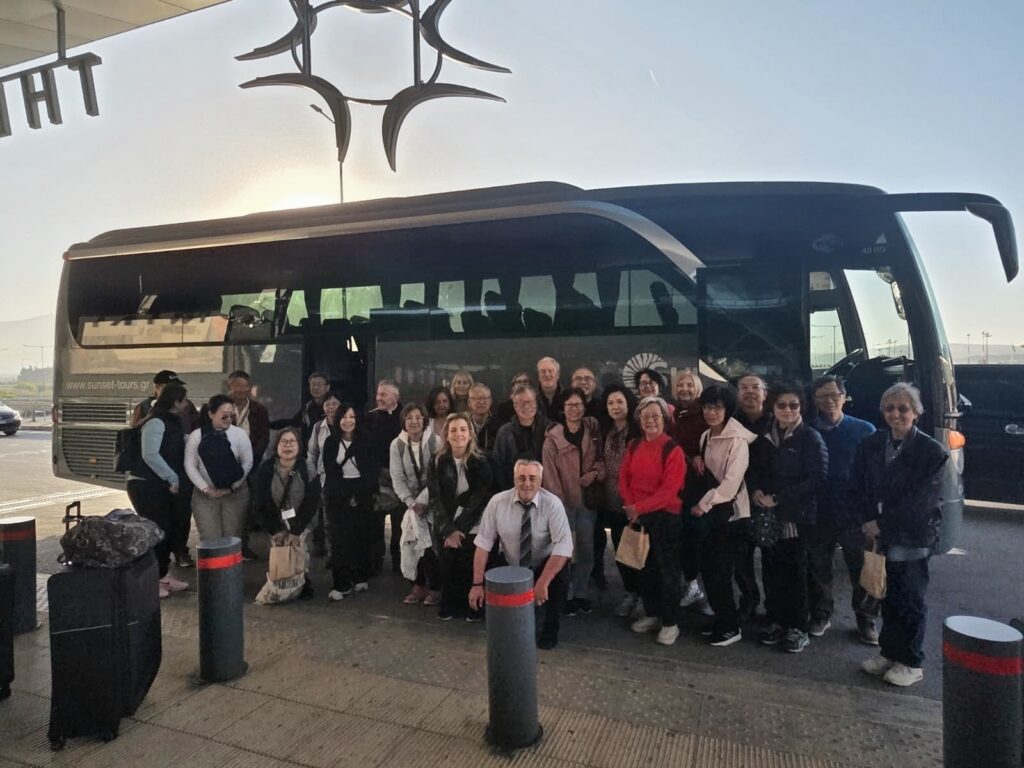
    28 April 2026. We began the day in the cool stillness of an early morning, leaving the hotel at 7:00 am for our journey from Thessaloniki, Greece, to Istanbul, and onward to Izmir. There was a sense of transition, not just between destinations, but between chapters of our pilgrimage.


    Our six days in Greece had come to an end. We said goodbye to Marianna, our gracious and passionate guide, and Alexander, our steady and kind driver.

    They had been part of our journey in ways that went beyond logistics—they helped bring history, faith, and place to life. As we departed, we carried with us more than memories; we carried a deep gratitude for all we had seen and experienced in Athens, Corinth, Meteora, Vergina, Veria, Thessaloniki, and Philippi.

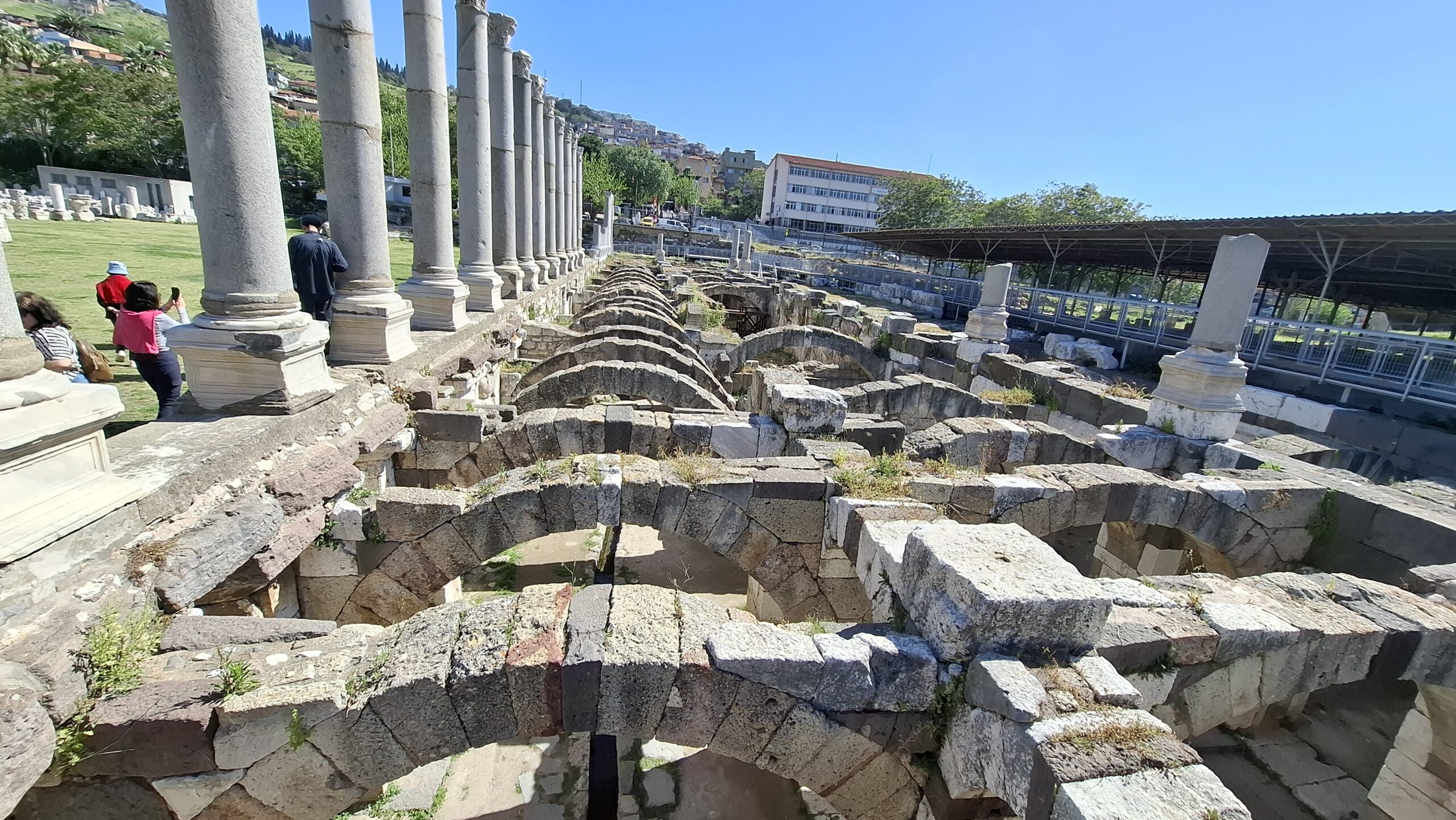
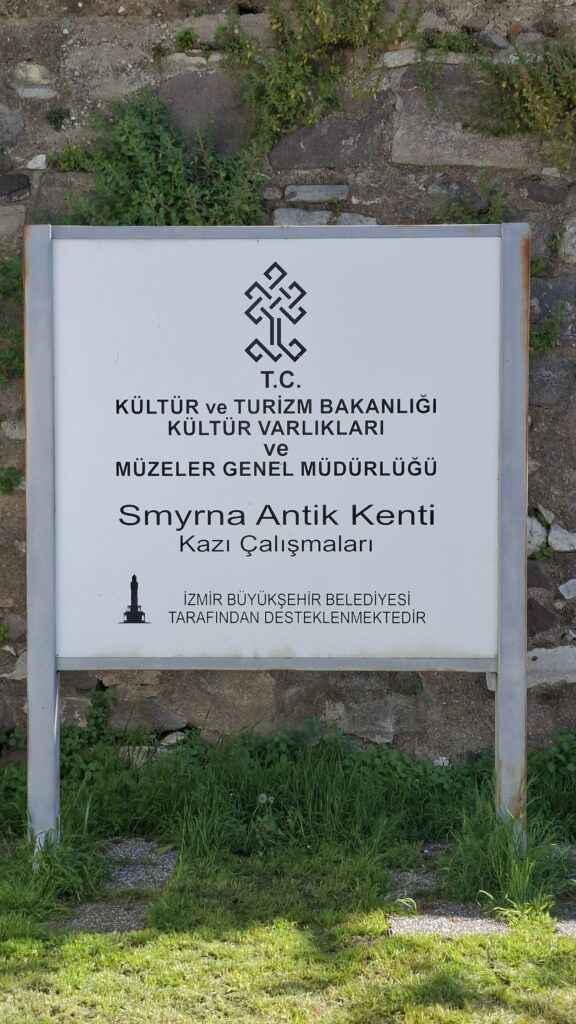
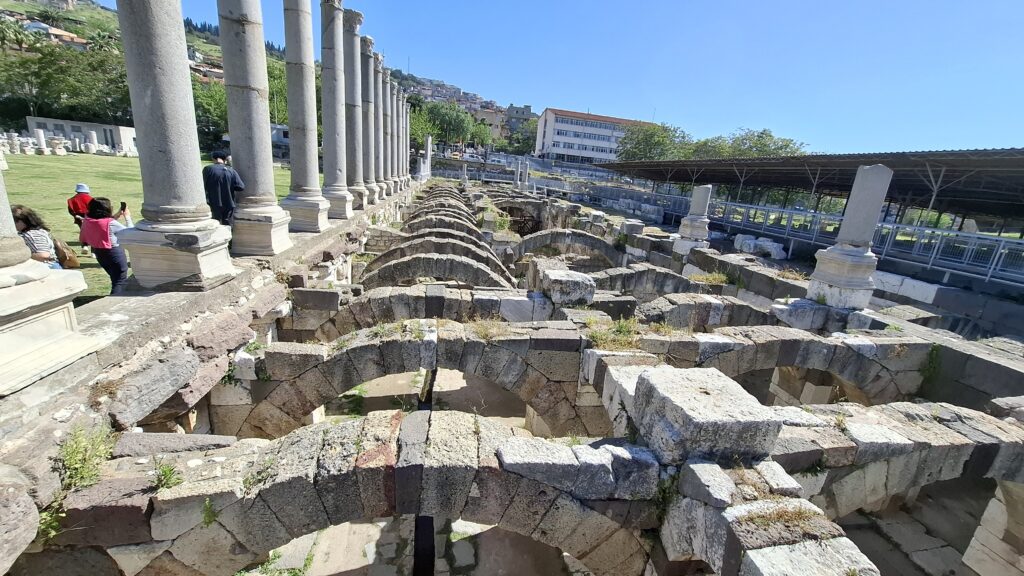
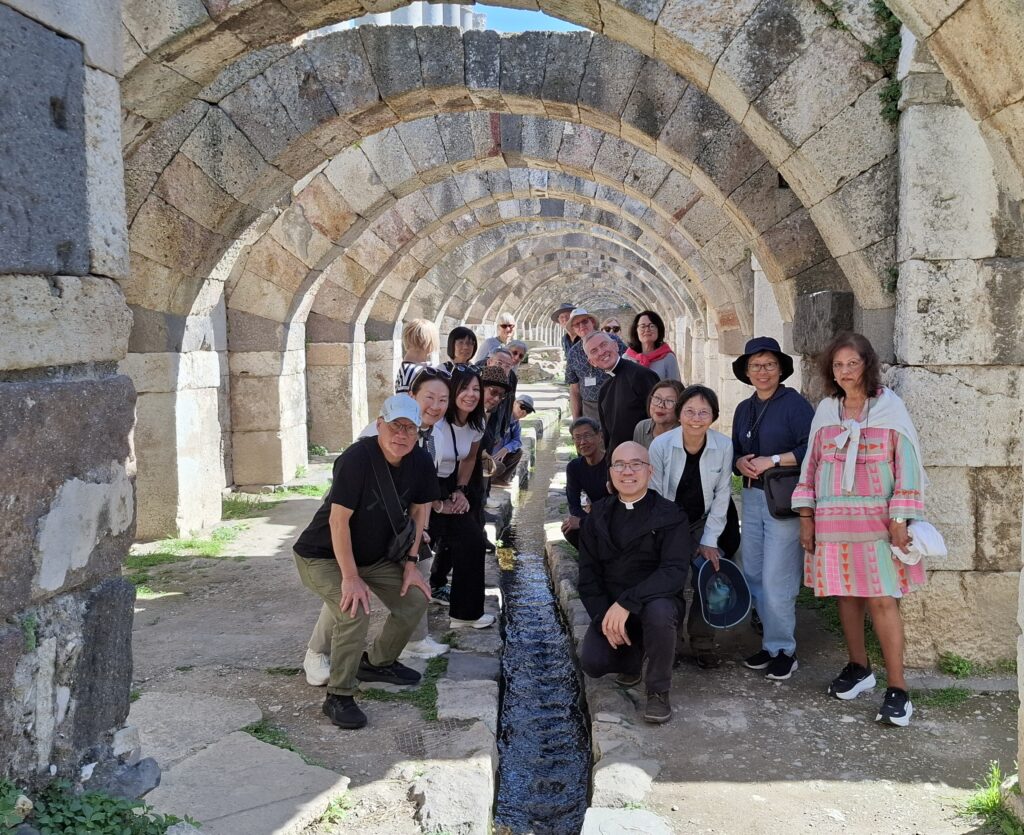
    After six hours of travel, we arrived in Izmir, a vast and vibrant city—home to nearly 4.8 million people that carried the faint echoes of its ancient past.  From there, we made our way to the Agora of Smyrna, one of the seven churches addressed in the Book of Revelation (Revelation 2:8–11).

    Walking among the ruins, we reflect on the enduring strength of faith that once filled this place.
    Smyrna holds a profound spiritual legacy.

    It was here that St. Polycarp, a disciple of John the Apostle and the city’s first bishop, lived and led the early Christian community. In 155 AD, he chose faithfulness over compromise, refusing to deny his beliefs or recognize Caesar as Lord. His martyrdom remains a powerful witness—tradition tells of his steadfastness in the face of death, and the ultimate sacrifice he made rather than abandon his faith.


    As we walked through this ancient site, we were reminded that these were not just places on a map, but sacred spaces shaped by courage, conviction, and devotion. It is humbling to consider that the seeds of the church here may also have been influenced by St. Paul, as in nearby Ephesus, only 60 kilometers away.


    Today was more than a day of travel—it was a crossing into another layer of history and faith, one that invites reflection, reverence, and a deeper appreciation of those who have gone before  us.


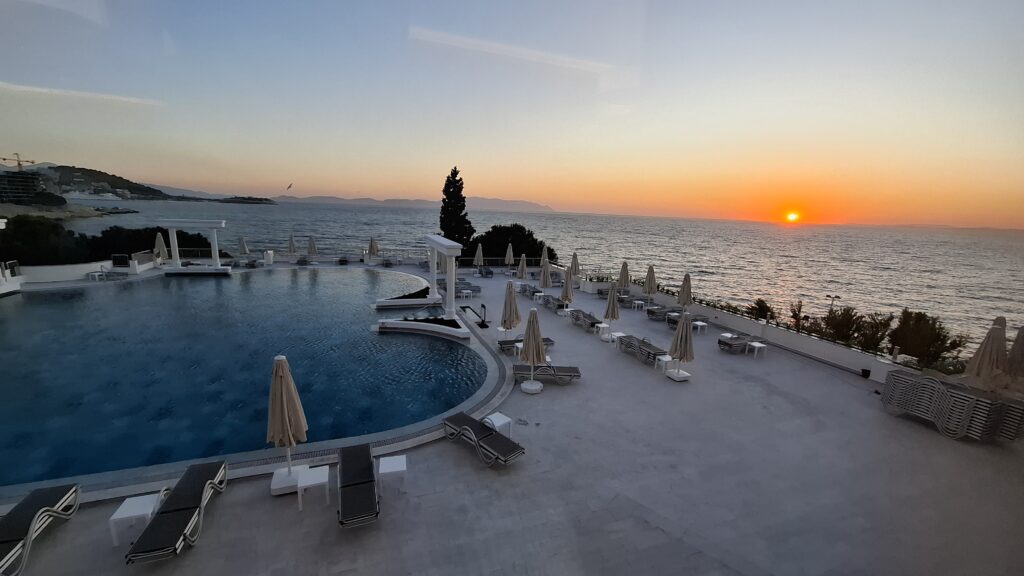
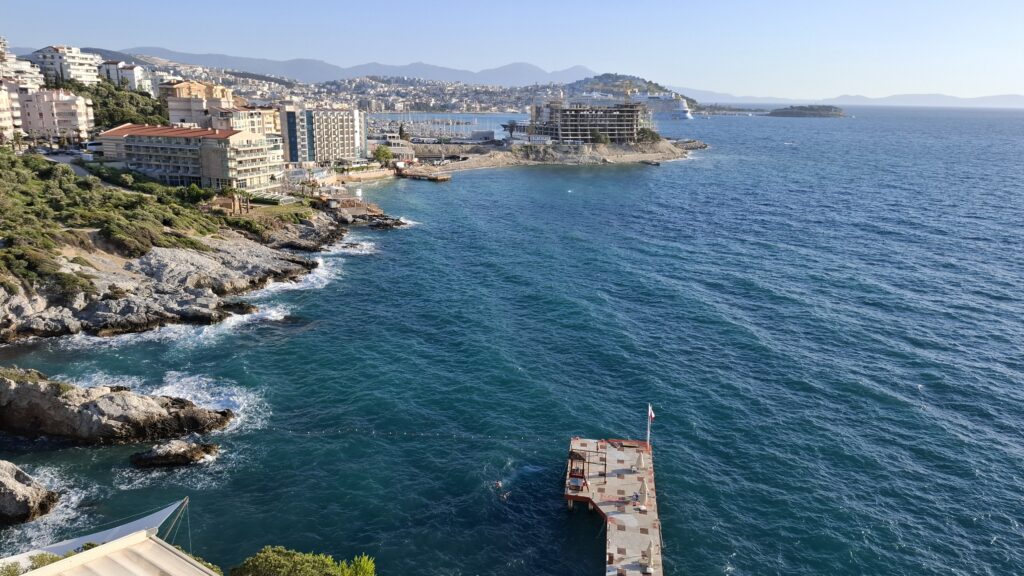
    In the evening we took to the road for a two hour coach ride to Kusadasi or its ancient name Ephesus.

    Father Alex Chow.

  • Day 6 Philippi

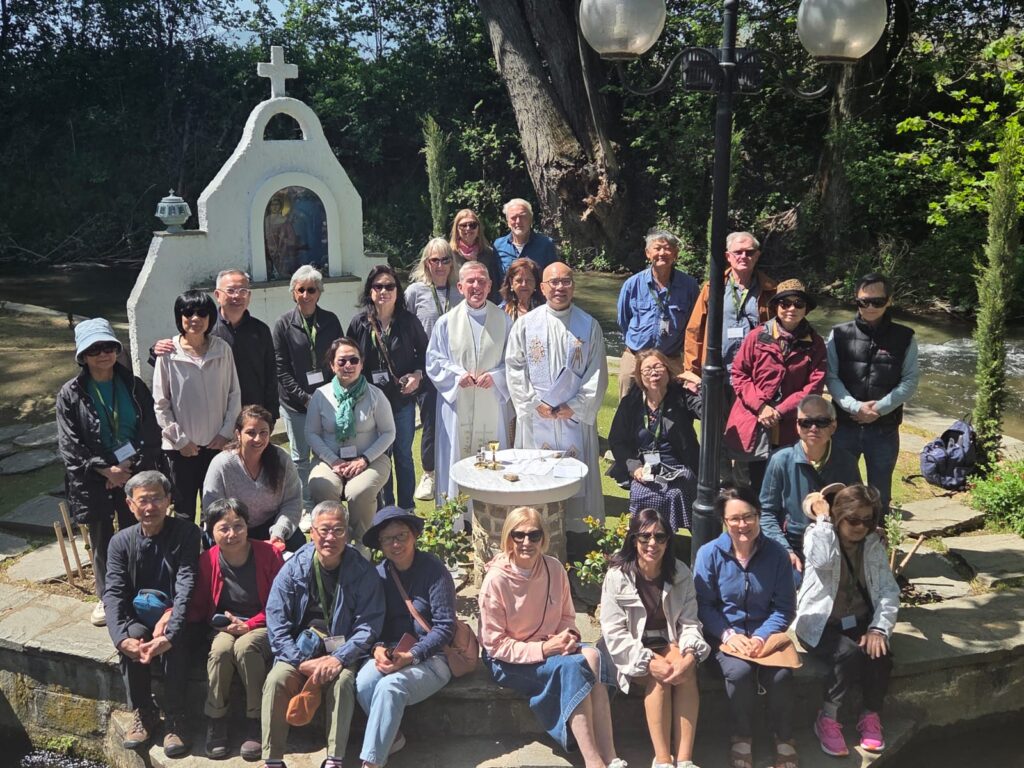
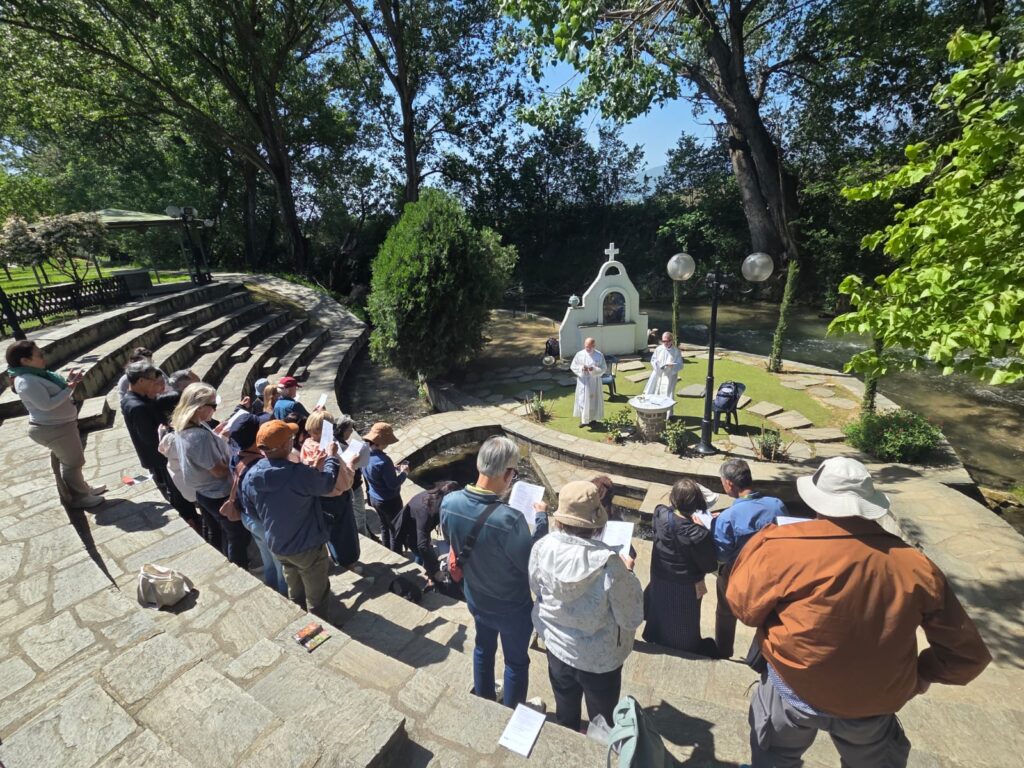
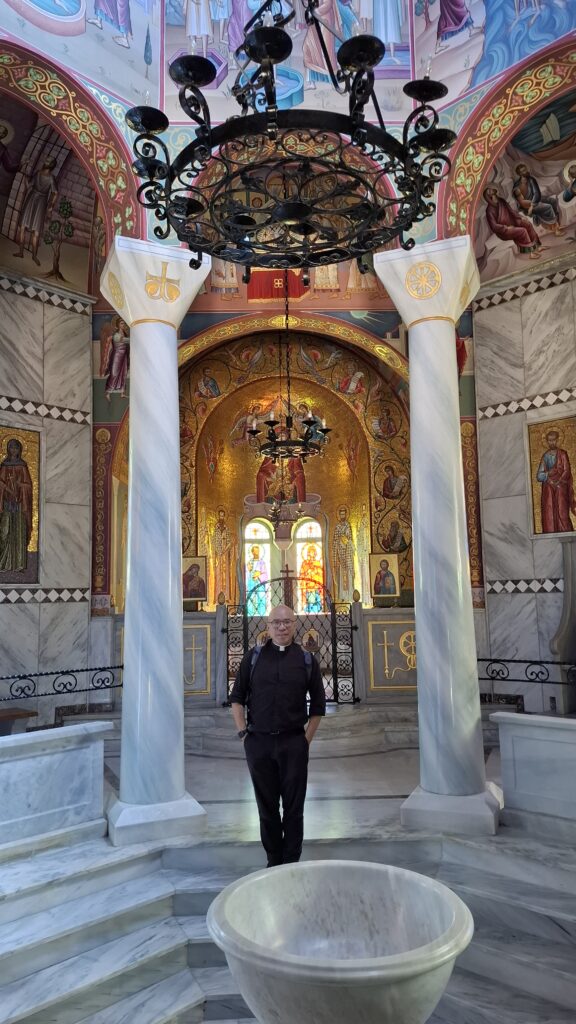
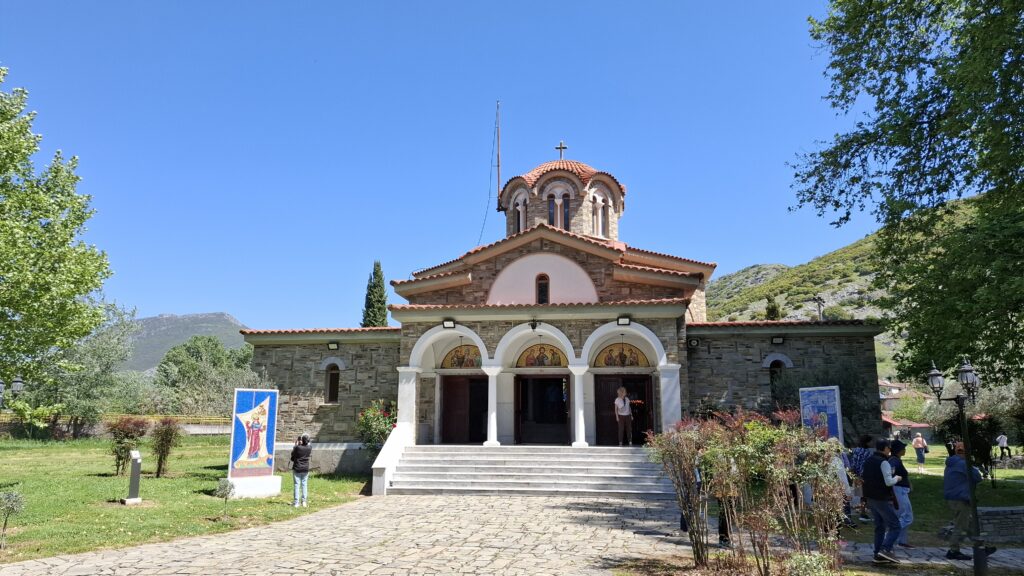
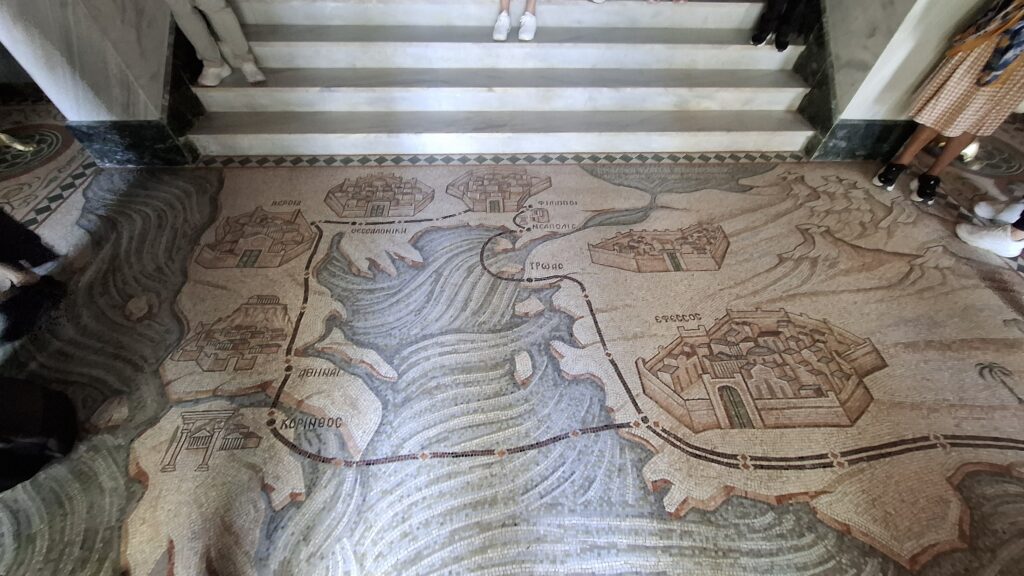
    27 April 2027: Today was our journey to Philippi in the north east of Macedonia to walk as near as we could in the footsteps of the Apostle Paul.But first outside what were once the walls of the city of Philippi we came to a place on the River Zygaktis where Paul preached the Gospel to a prominent woman of Thyatira named Lydia ,and her entourage.

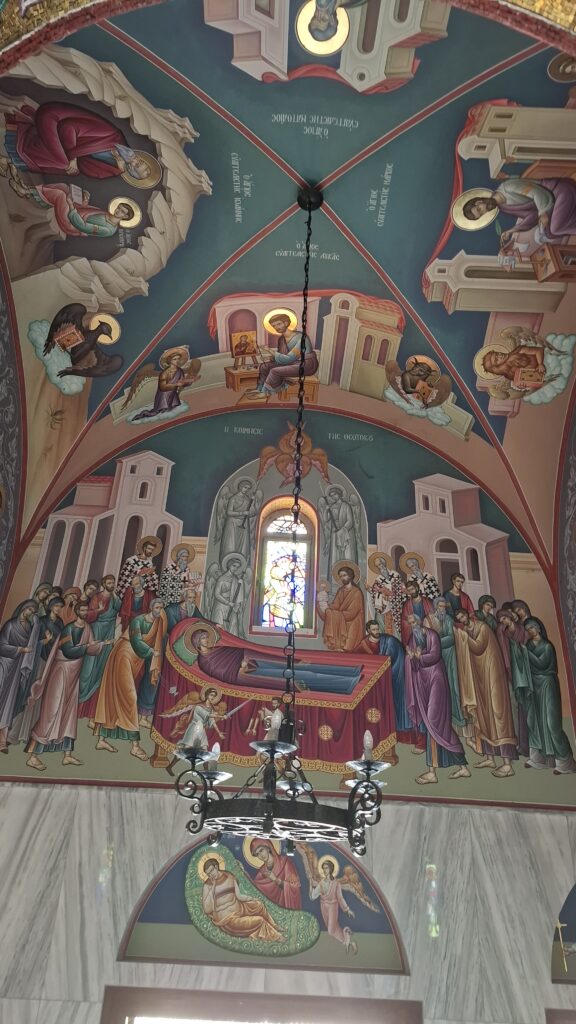
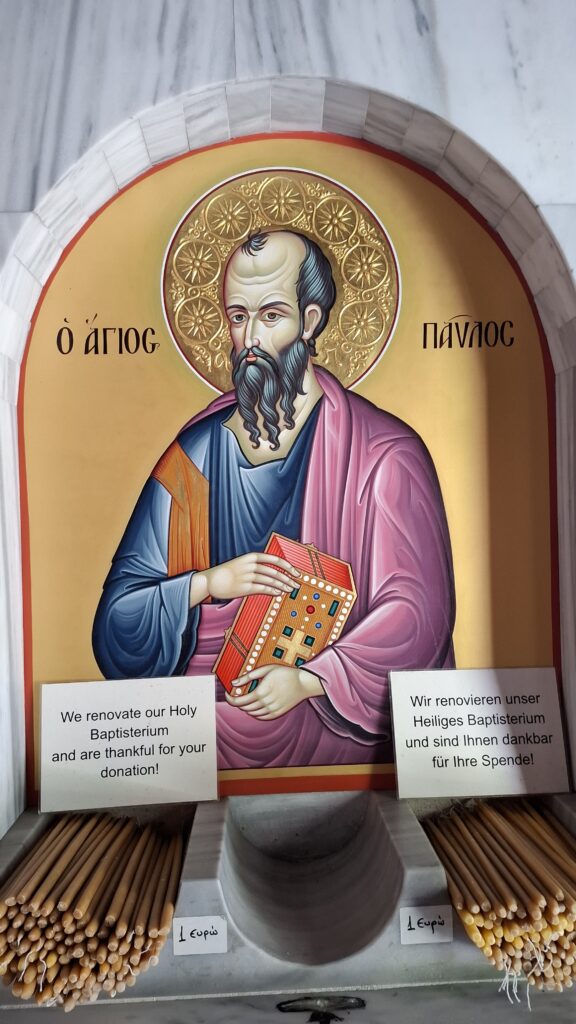
    The significance of that first conversion and baptism of a native European could not be lost on our small group of pilgrims, the celebration of Holy Mass to receive the Holy Eucharist and to renew our baptismal vows took one back in time to that extraordinary occasion,almost as if we were present as witnesses to the blessed Apostle providing Lydia the means to salvation .

    14 A certain woman named Lydia, a worshipper of God, was listening to us; she was from the city of Thyatira and a dealer in purple cloth. The Lord opened her heart to listen eagerly to what was said by Paul. When she and her household were baptized, she urged us, saying, ‘If you have judged me to be faithful to the Lord, come and stay at my home’ -(Acts 16:14-15)

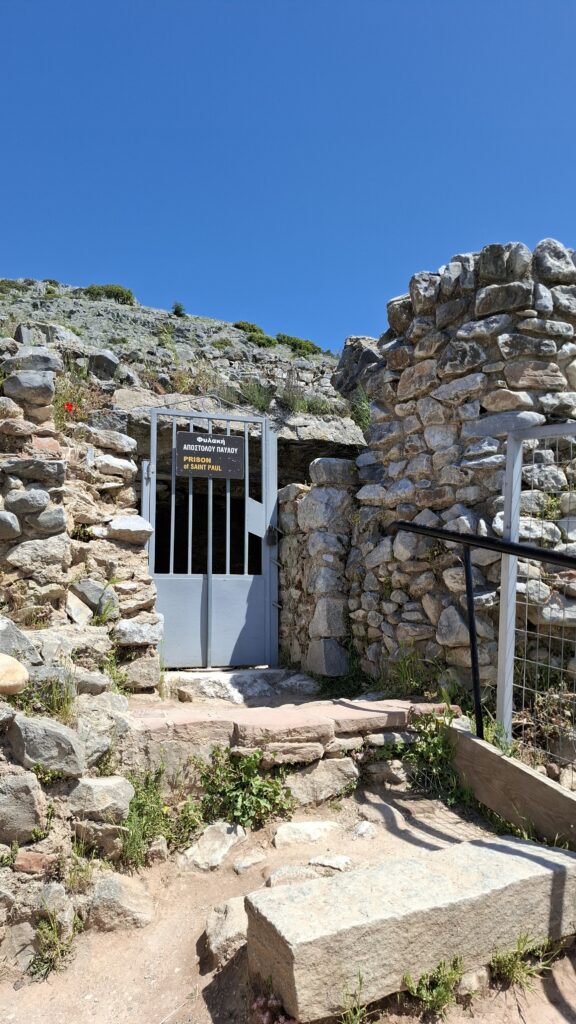
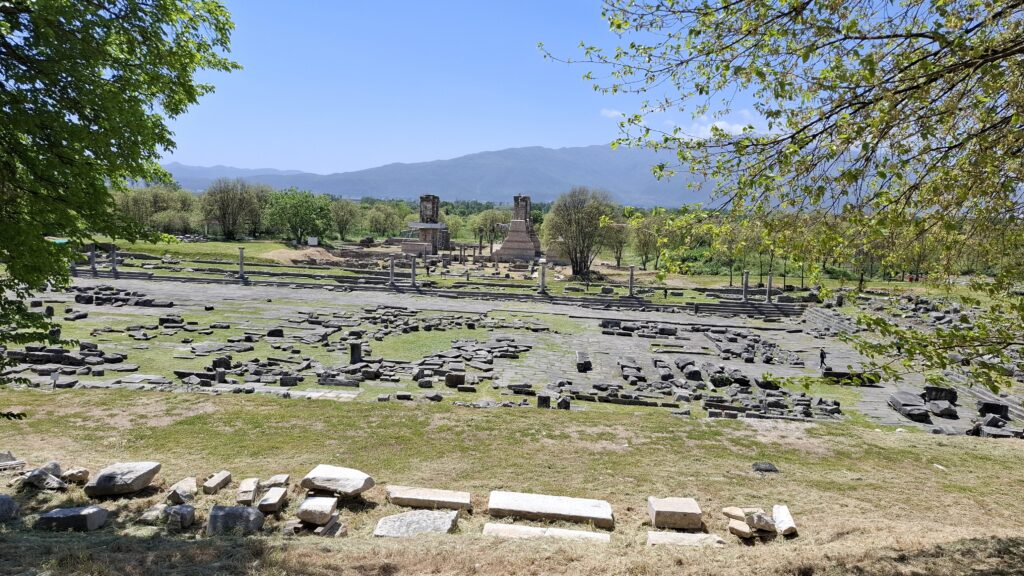
    On to the ancient agora of Philippi and the surrounding ruins of the Roman city .Paul’s presence felt again as we stood outside the cave like cell where he was held by the authorities.His tenacity and determination to spread the Good News to the gentiles whilst suffering at the hands of the unbelievers .

    ‘Do not be anxious about anything, but in every situation, by prayer and petition, with thanksgiving, present your requests to God. And the peace of God, which transcends all understanding, will guard your hearts and your minds in Christ Jesus’ (Philippians 4:6-7).

    Isn’t this similarly our purpose in this world to endure for our faith?

    Reflection by Robert and Donna Boston, Gold Coast, Queensland.

  • Day 5 Thessaloniki, Greece

    Day 5 Thessaloniki, Greece


    This is our first pilgrimage. We are thankful that we can make it amidst the conflict in the Middle East. We asked ourselves, what does it mean to be in the footsteps of St Paul, reading his letters while standing in the place that shaped them?


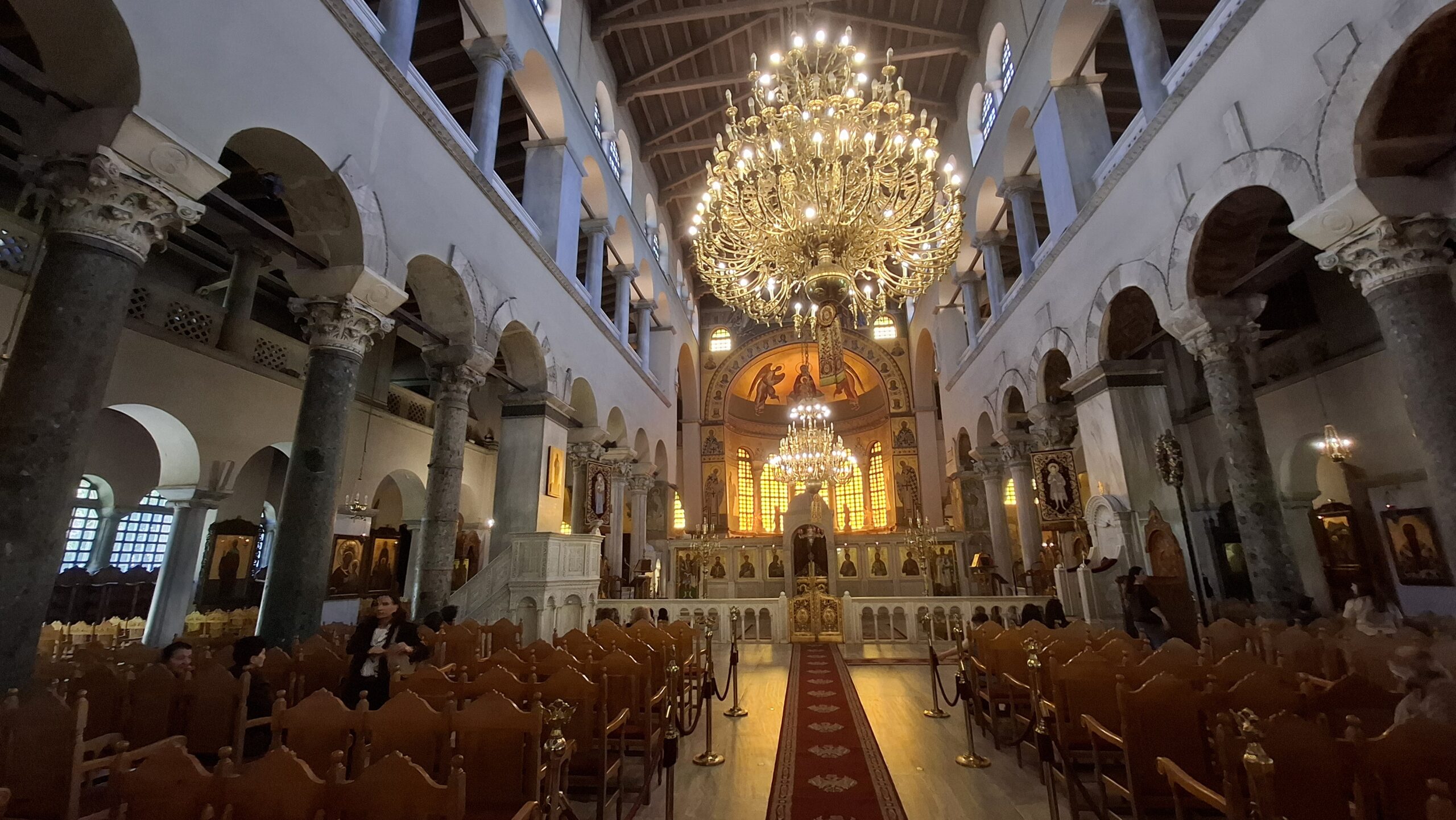
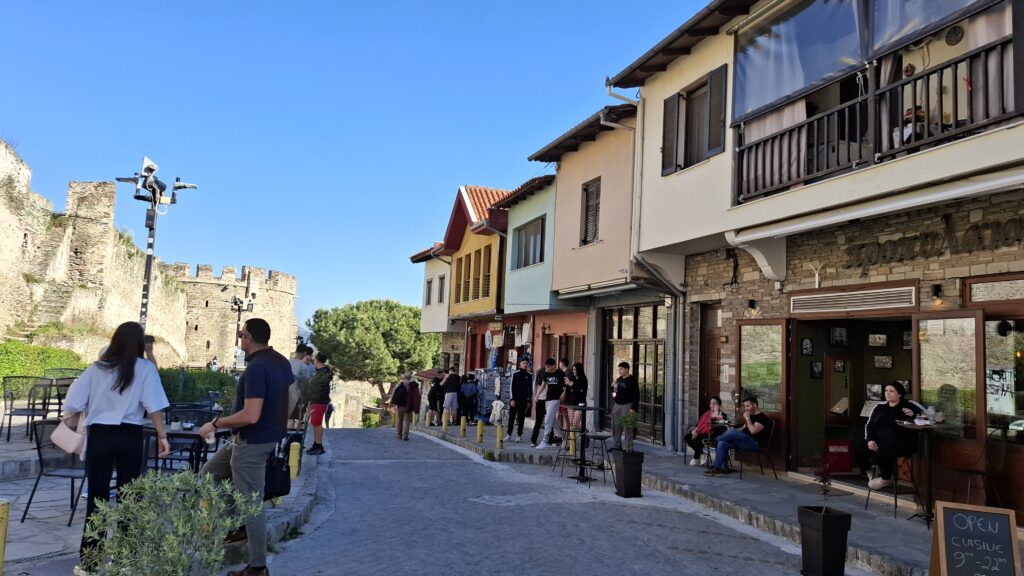
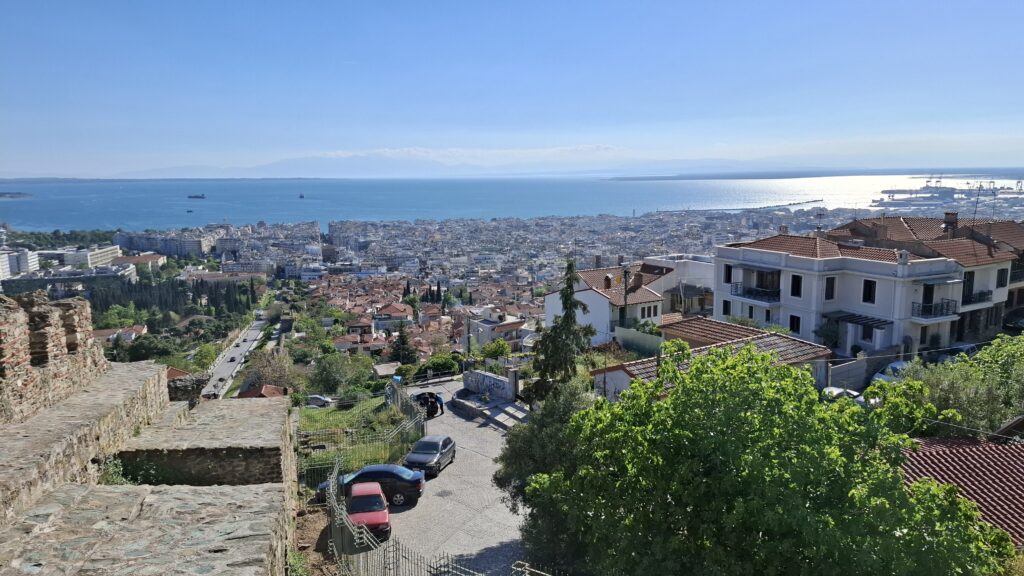
    We arrived Thessaloniki yesterday afternoon, 26 April 2026 and went straight up to the upper city which offers a marvellous view of city port of Thessalonik, whichi is the second largest city after Athens with a population of 1.1 million.

    Ancient Thessaloniki was a major Macedonian city founded in 316 BCE, later becoming a key Roman province and an important center of early Christianity.
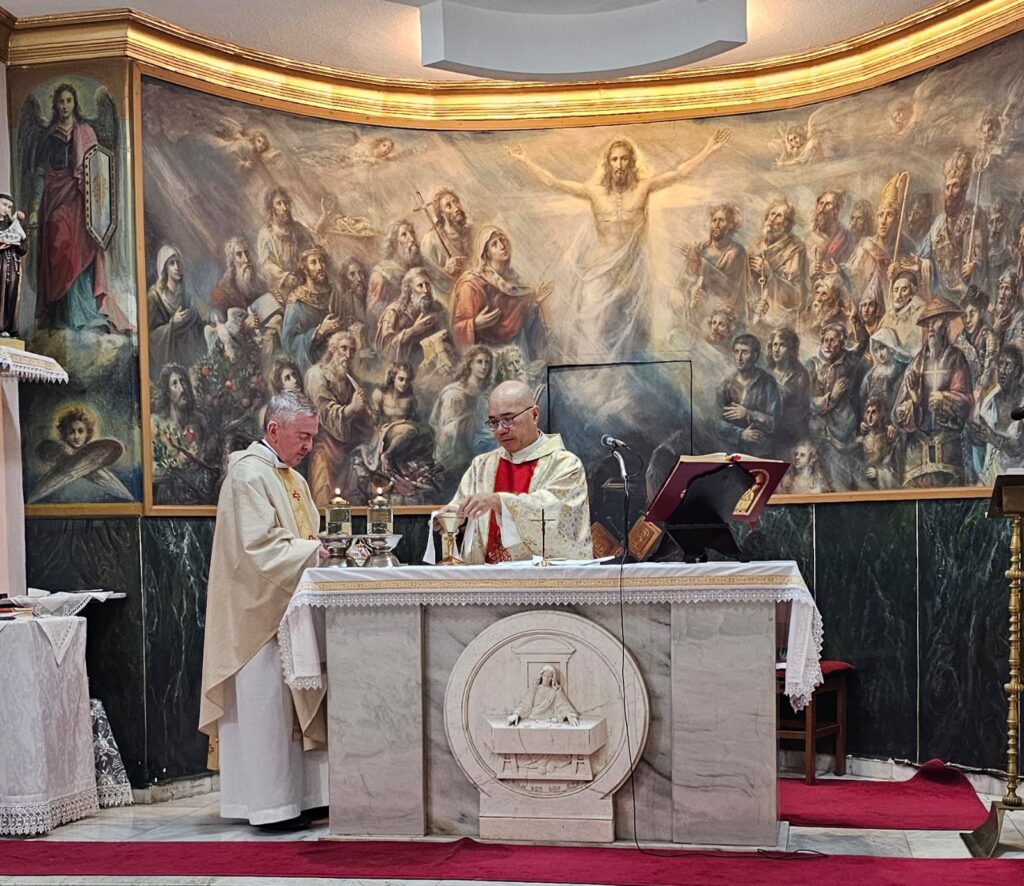
    Today is Good Shepherd Sunday, we stated with a beautiful mass with Fr Alex and Fr Chris at the Immaculate Conception Church’s chapel.


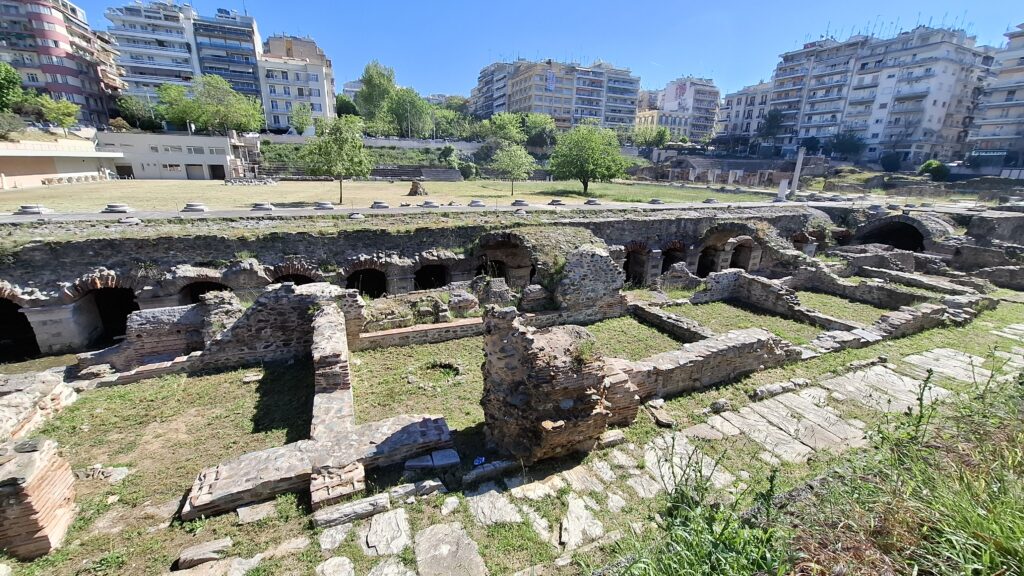
    Among the historical sites we visited later were the remnants of the Roman Agora, the public space once used for assemblies and markets. Around this area is believed to have stood the synagogue where Paul reasoned with the Jews from the Scriptures for three Sabbaths (Acts 17:1–3). It is disheartening to see that they are now reduced to mere rubble.

    Thessaloniki has been destroyed and rebuilt repeatedly over the centuries—under Roman, Byzantine, Ottoman, and modern Greek rule.
    This recalls Jesus’ words: “Heaven and earth will pass away, but my words will never pass away” (Matthew 24:35). What humans build proves fragile and temporary. The impermanence of the physical world stands in sharp contrast to the enduring nature of God’s Word.


    The early church that Paul planted in Thessaloniki faced persecution and marginalisation, yet they remained full of hope. Paul, imitating Christ the Good Shepherd—as Fr Alex mentioned in today’s homily—shepherded the community with deep pastoral care. He encouraged and strengthened the church through his letters and by sending them young Timothy, a concrete expression of his concern and love for them.


    The ruins remind us that what is visible is temporary—but what God establishes in Christ is eternal.

    Kelvin and Susan Chen, St Timothy’s Church Forest Hill

  • Day 4 : Vergina,  Veria.

    Day 4 : Vergina, Veria.

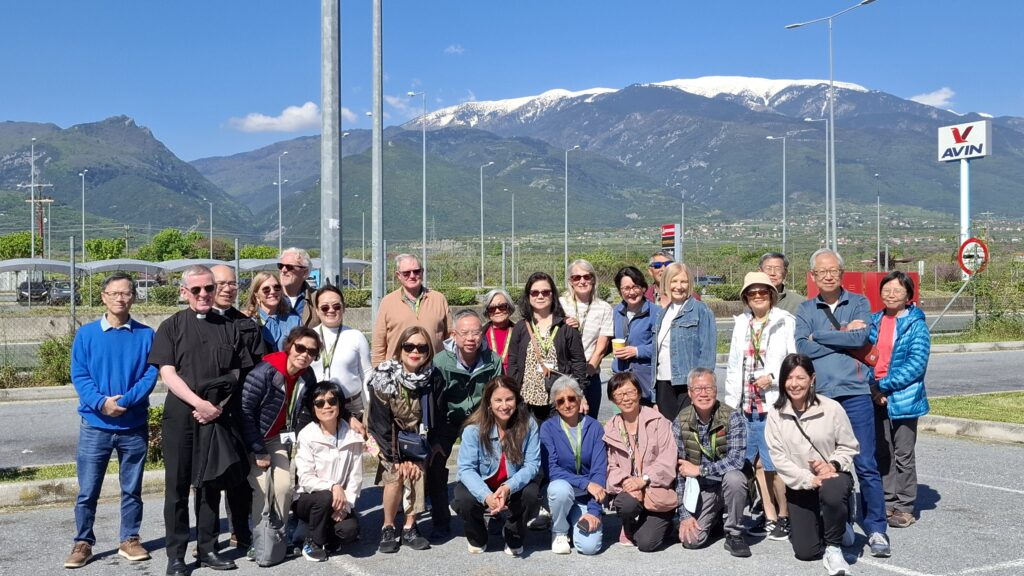
    Today we set off on the final stage of our travel to Thessaloniki. Travelling on the freeway, we had spectacular views of snow covered Mt Olympus. We stopped for our coffee break and took a group photo with Mt Olympus in our close background.

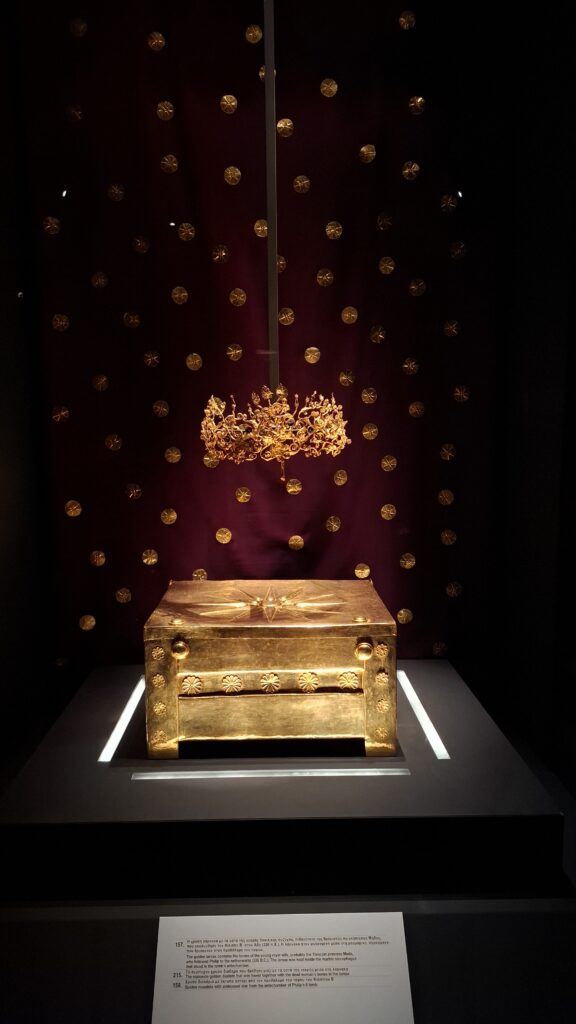
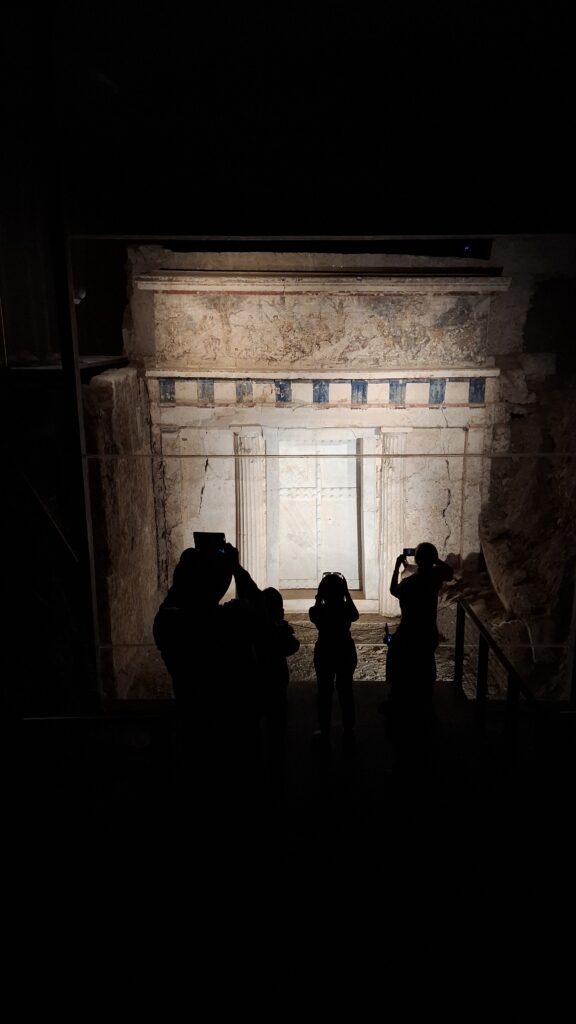
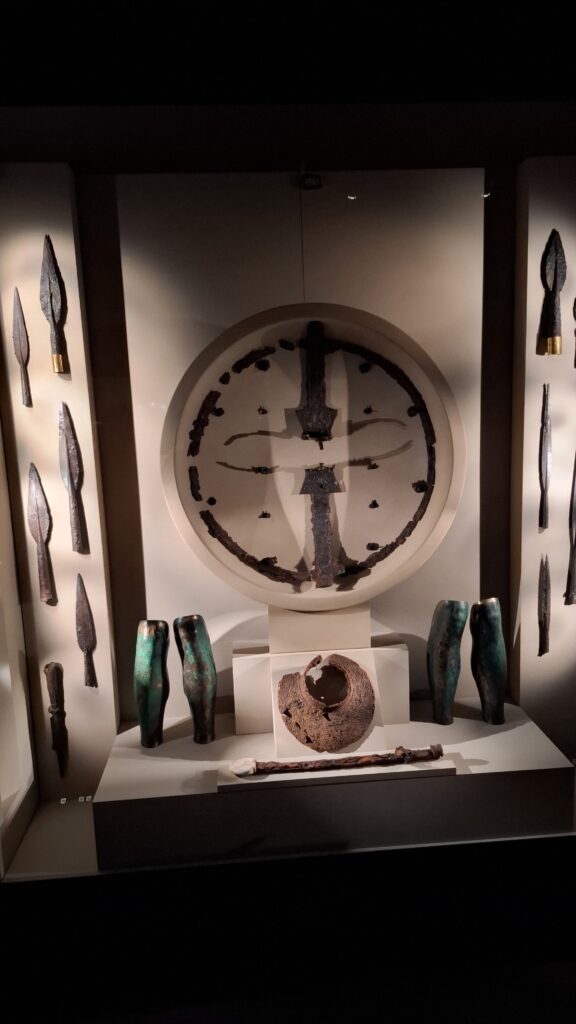
    We travelled on to Vergina and stopped to visit the spectacular tomb of King Phillip of Macedonia, the father of Alexander the Great. This great archaeological discovery in 1977 contains the tombs and magnificent treasures of the King and his family.

    We were astonished at the treasures in gold and a wide range of weapons and objects in the tomb. A very exciting experience.

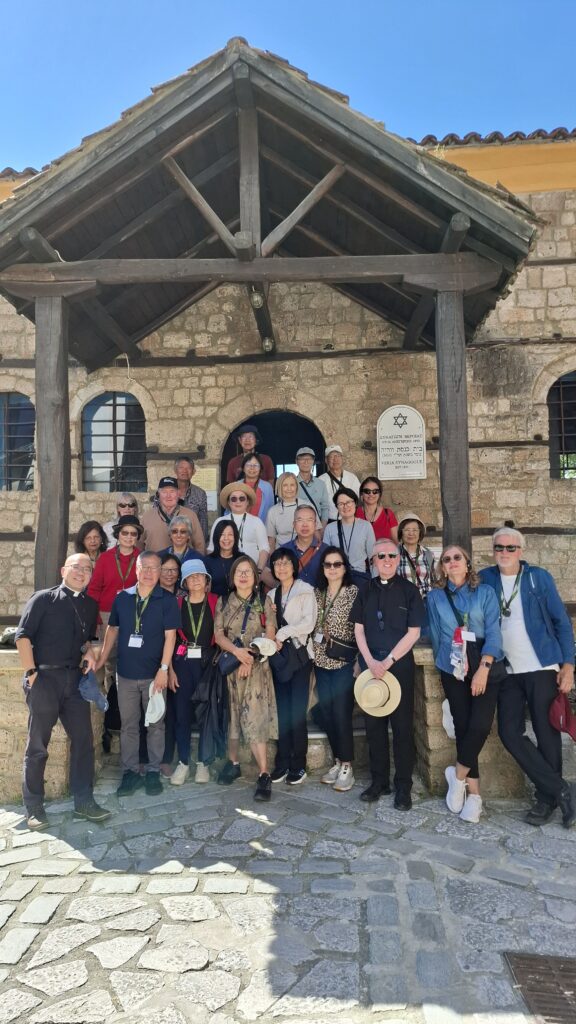
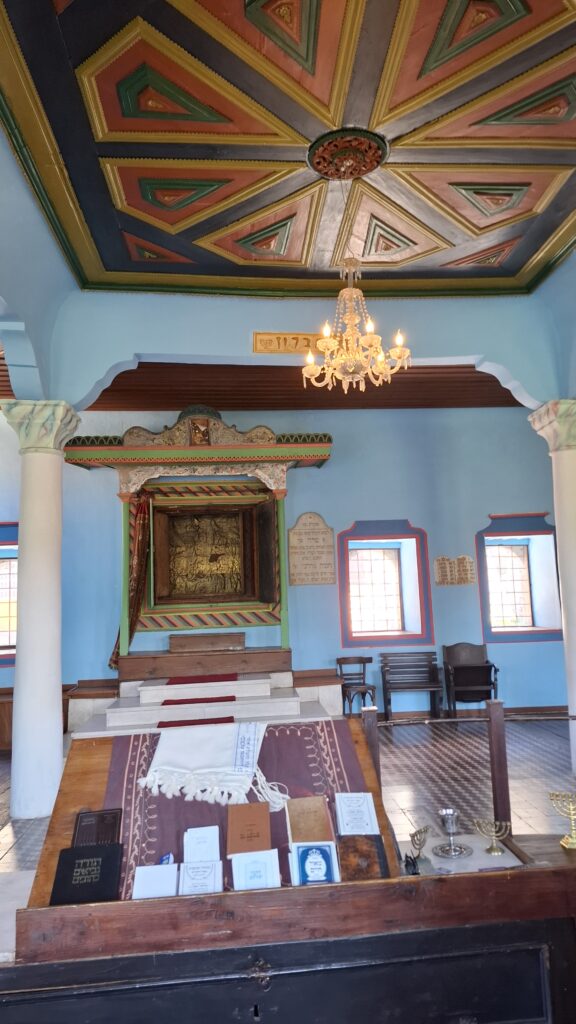
    Our guide, Marianne, as always, gave us a wonderful commentary on the tomb.After an enjoyable Greek lunch, nearby in Veria, we walked to a historic site of a Jewish synagogue. On this site of a much earlier synagogue, Paul, the Apostle apostle preached and as stated in the book of Acts 17:10-15, received a positive hearing.

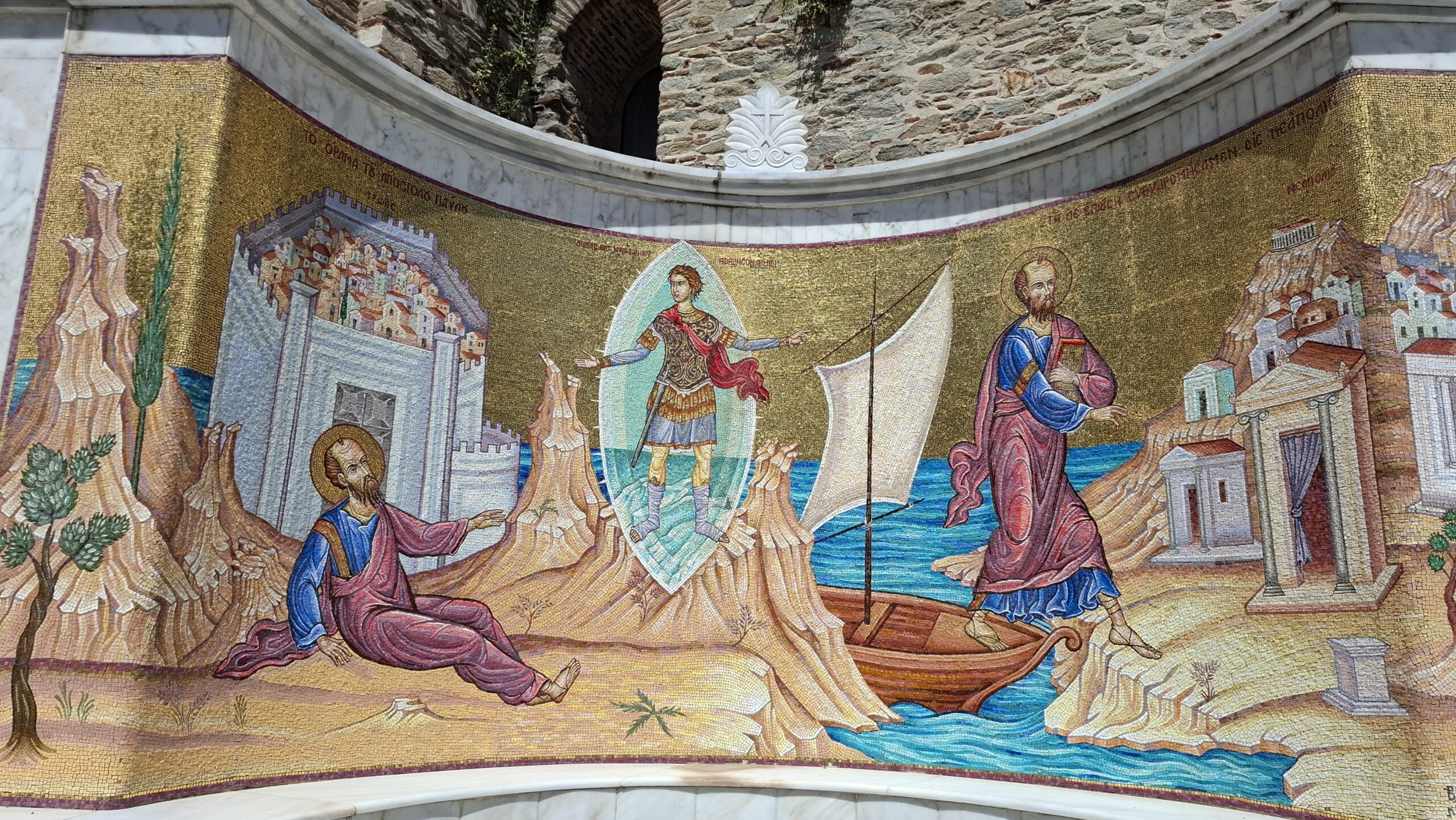
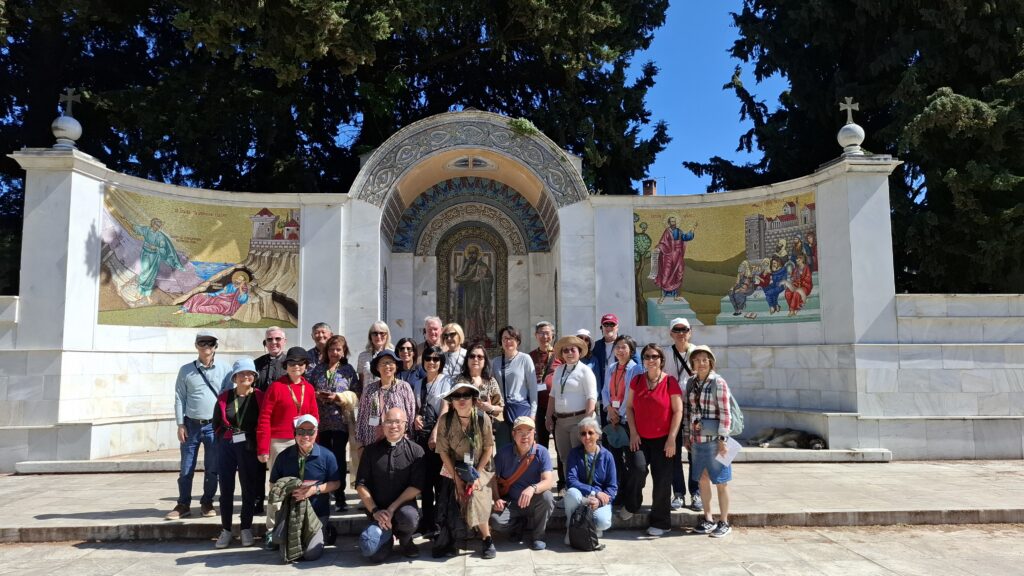
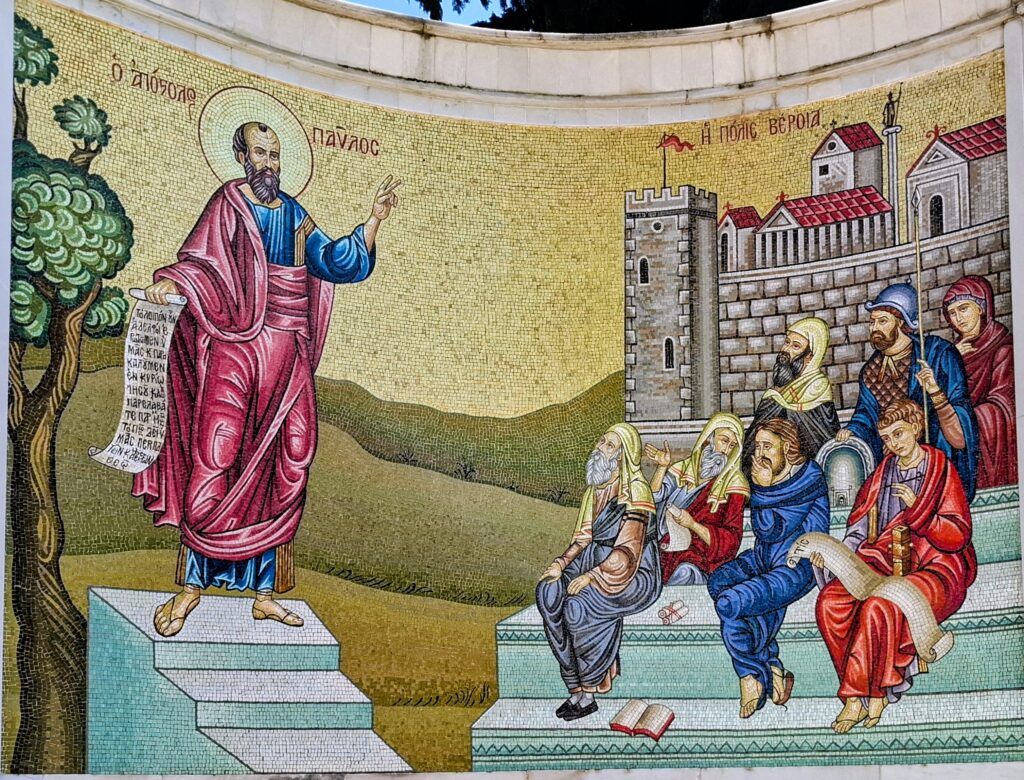
    How amazing to see such a close connection to Paul. We then walked on to the monument in Veria, which has beautiful Byzantine mosaics of St Paul preaching in the town.St Paul departed from Veria to travel to Thessaloniki, then on to Athens.

    We finally arrived in Thessaloniki about 5.30pm to view the harbour where Paul left to go to Athens.

    Peter Naughtin, St Timothy Forest Hill

  • Day 3, Kalambaka and Meteora

    Day 3, Kalambaka and Meteora

    A Landscape That Teaches the Soul

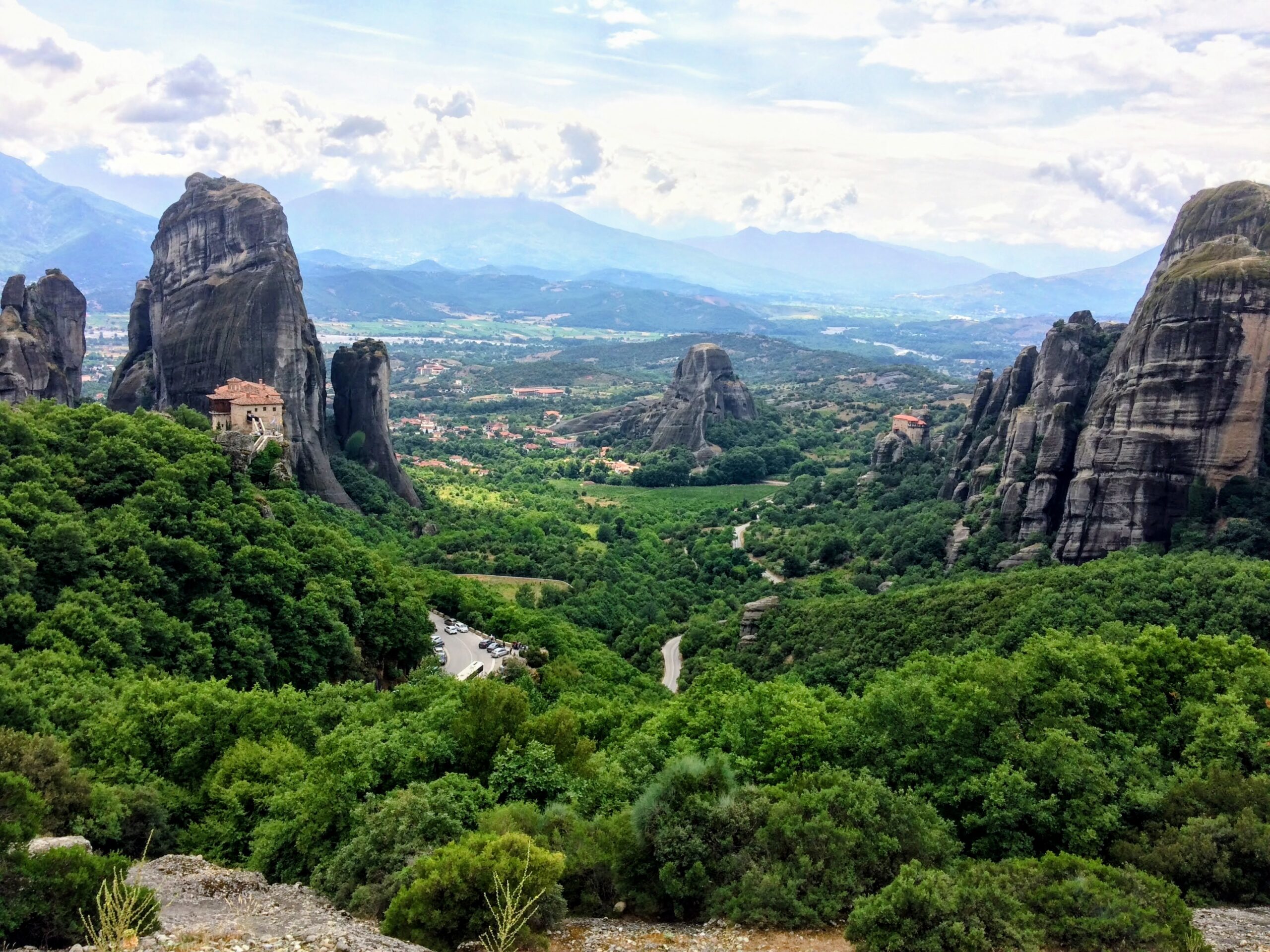
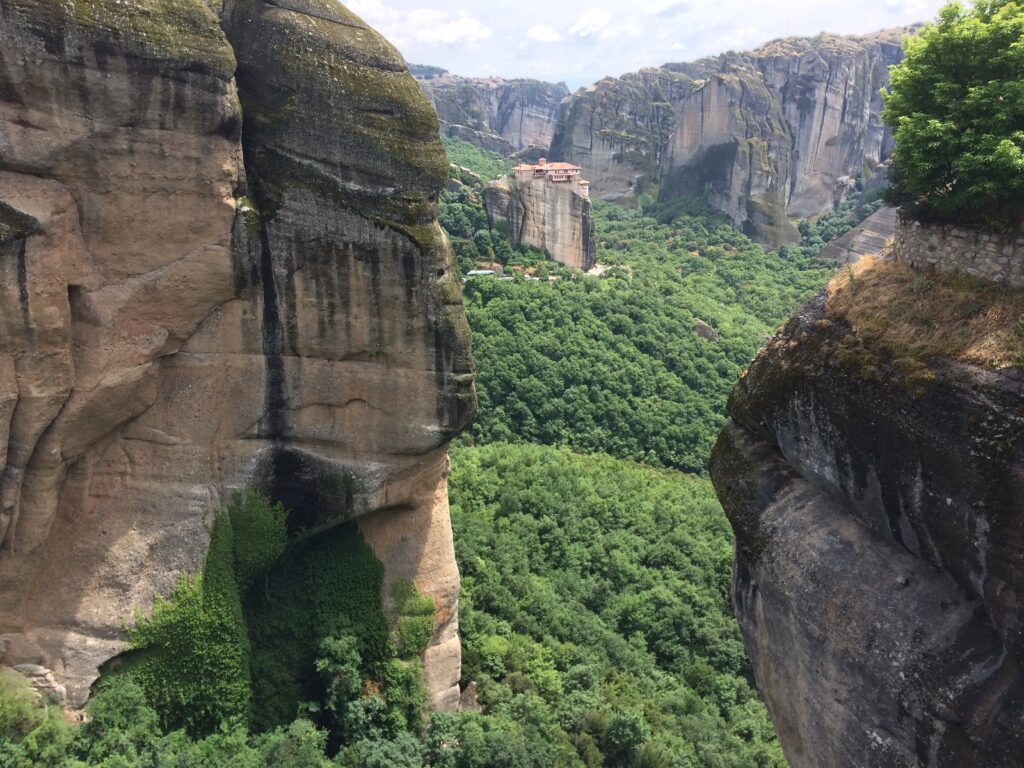
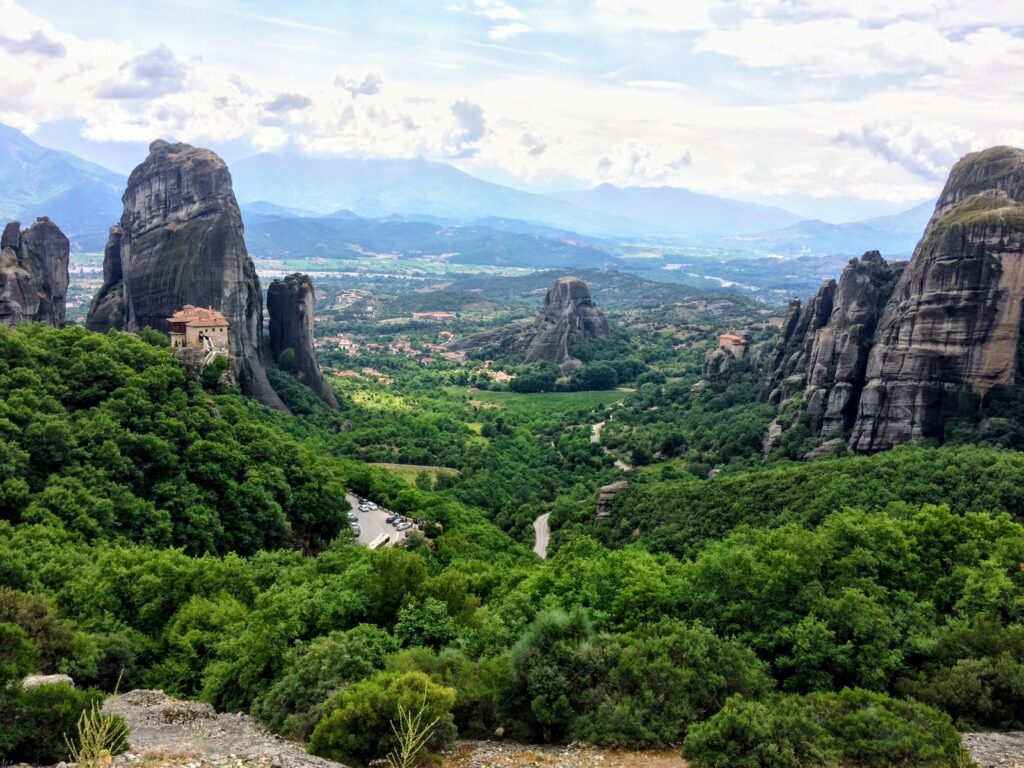
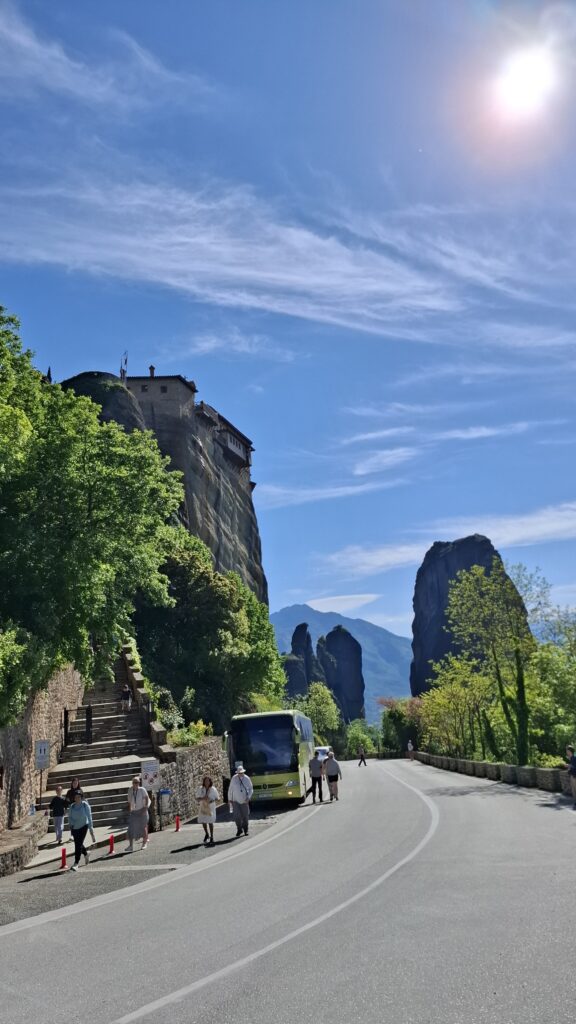
    Pilgrimage has a way of slowing the heart so it can listen. As our journey in the footsteps of St Paul brought us toward Kalambaka, the land itself began to speak. The Thessalian plain stretched wide and quiet, and then—almost without warning—the stone pillars of Meteora rose before us like ancient watchmen. Their presence is startling, but not intimidating. They invite contemplation.

    St Paul never climbed these cliffs, yet the spiritual longing that shaped Meteora echoes the same longing that drove him across Greece. His mission was carried out in cities and marketplaces; the monks who later came here sought silence and seclusion. But both were responding to the same call: to draw nearer .

    Meteora: Suspended in Air

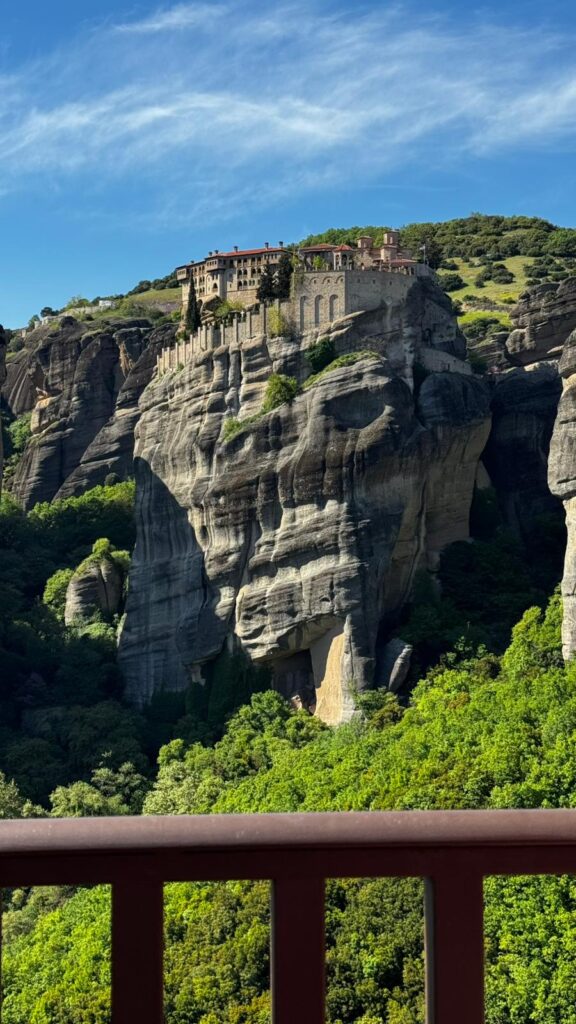
    The ascent into Meteora is more than a climb; it is a lesson in theology. The cliffs themselves seem to reach for heaven, as though creation is participating in prayer. The early hermits who settled here in the 11th century understood this instinctively. They sought a place where the noise of the world could not follow, where the soul could breathe.

    Every stone, every stairway, every narrow bridge reflects the monastic conviction that the journey to God requires effort, humility, and perseverance.

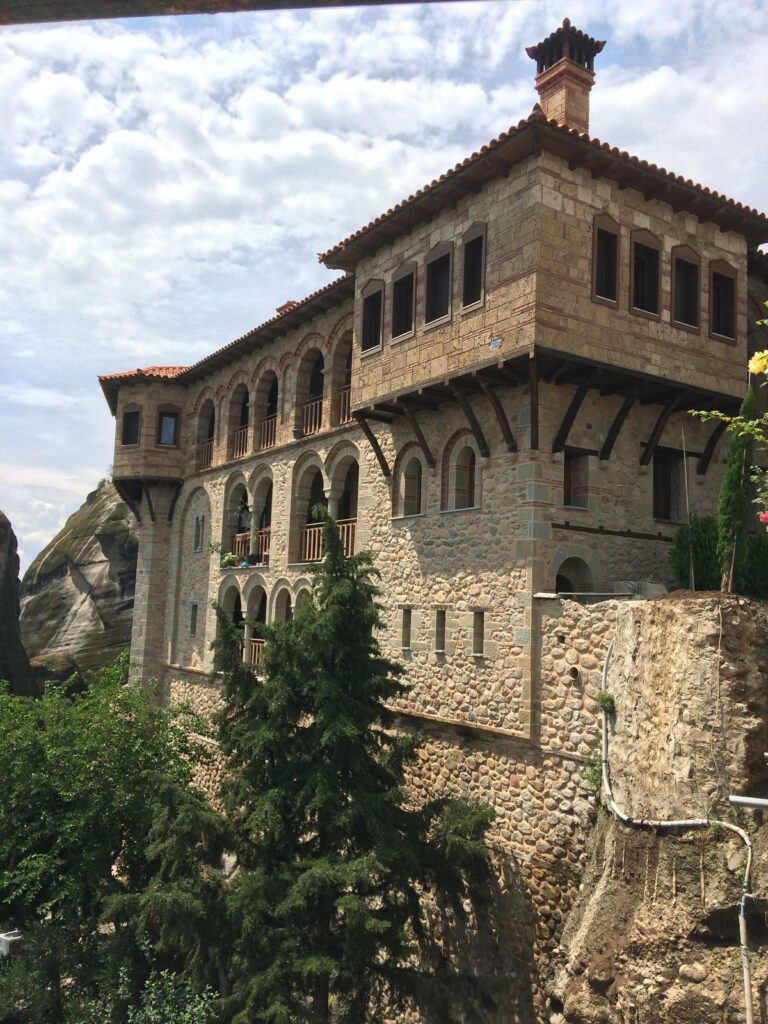
    Approaching the Monastery of St Barbara and St Stephen feels like stepping into a suspended moment. Perched delicately on its rock, it seems almost weightless. The bridge leading to it requires a small act of trust, a reminder that faith often begins with a single step.

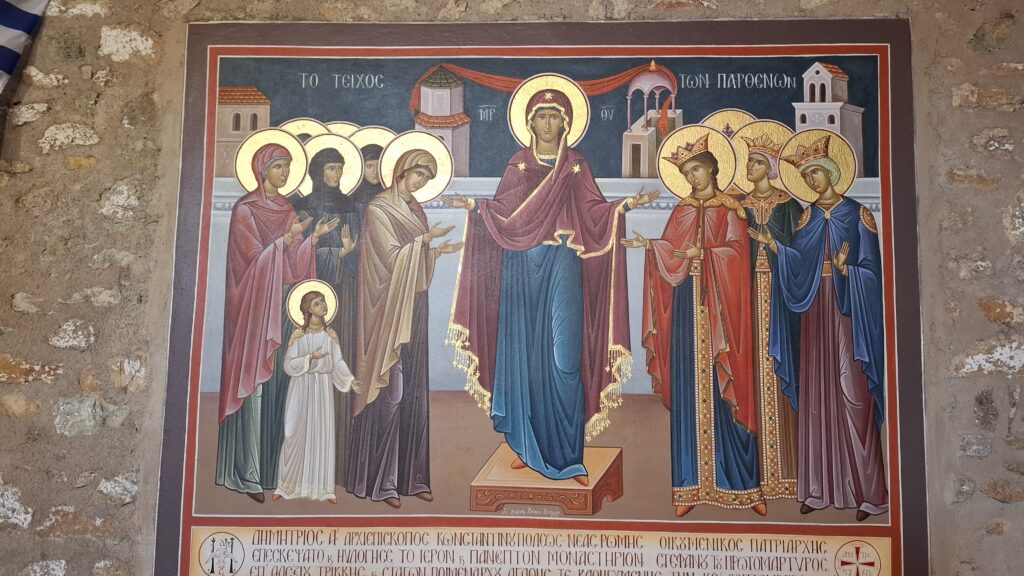
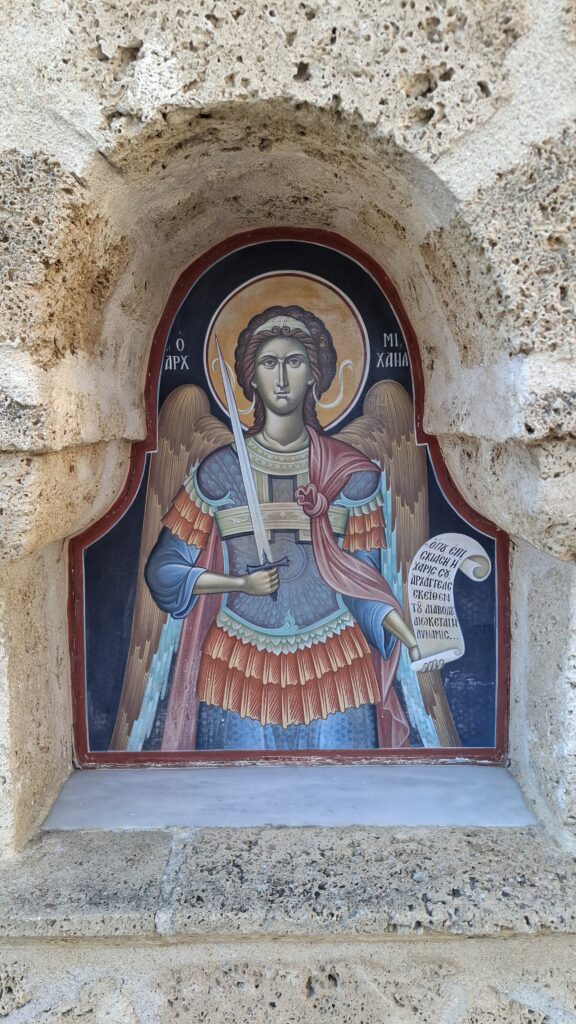
    Inside, the icons and frescoes draw the heart into prayer. Their colors, softened by time, still radiate the beauty of the Gospel. The nuns who serve here embody a quiet strength—an echo of the women who supported Paul’s ministry in Philippi, Thessalonica, and Corinth.

    Such experience reflects St Paul’s words to the Romans: “For since the creation of the world God’s invisible qualities… have been clearly seen.”

    The monasteries openness mirrors Paul’s pastoral heart. He traveled tirelessly, not to escape the world but to transform it. St Stephen’s reminds us that holiness is not withdrawal alone; it is service, welcome, and witness.

    Faith That Endures: Leaving Meteora, one carries more than memories. The stones themselves seem to imprint something on the soul. They stand as a testament to endurance—endurance of faith, of prayer, of the human longing for God.

    Walking in the footsteps of St Paul through this region in Greece reveals a profound truth: the Christian journey takes many forms. Paul preached in bustling cities; monks prayed in silent caves. Yet both paths lead toward the same horizon—Christ.

    Meteora teaches us pilgrims that faith is both ascent and descent:

    • ascent toward God in prayer,
    • descent into the world in love.

    As the sun sets behind the cliffs and Kalambaka settles into evening, the heart understands why we as pilgrims have come here. Meteora does not simply show us where others have walked; it invites us to walk more faithfully ourselves.


    Reflection by Josette Charles, Adelaide, South Australia.
  • Day 2 Athens, Greece

    Day 2 Athens, Greece


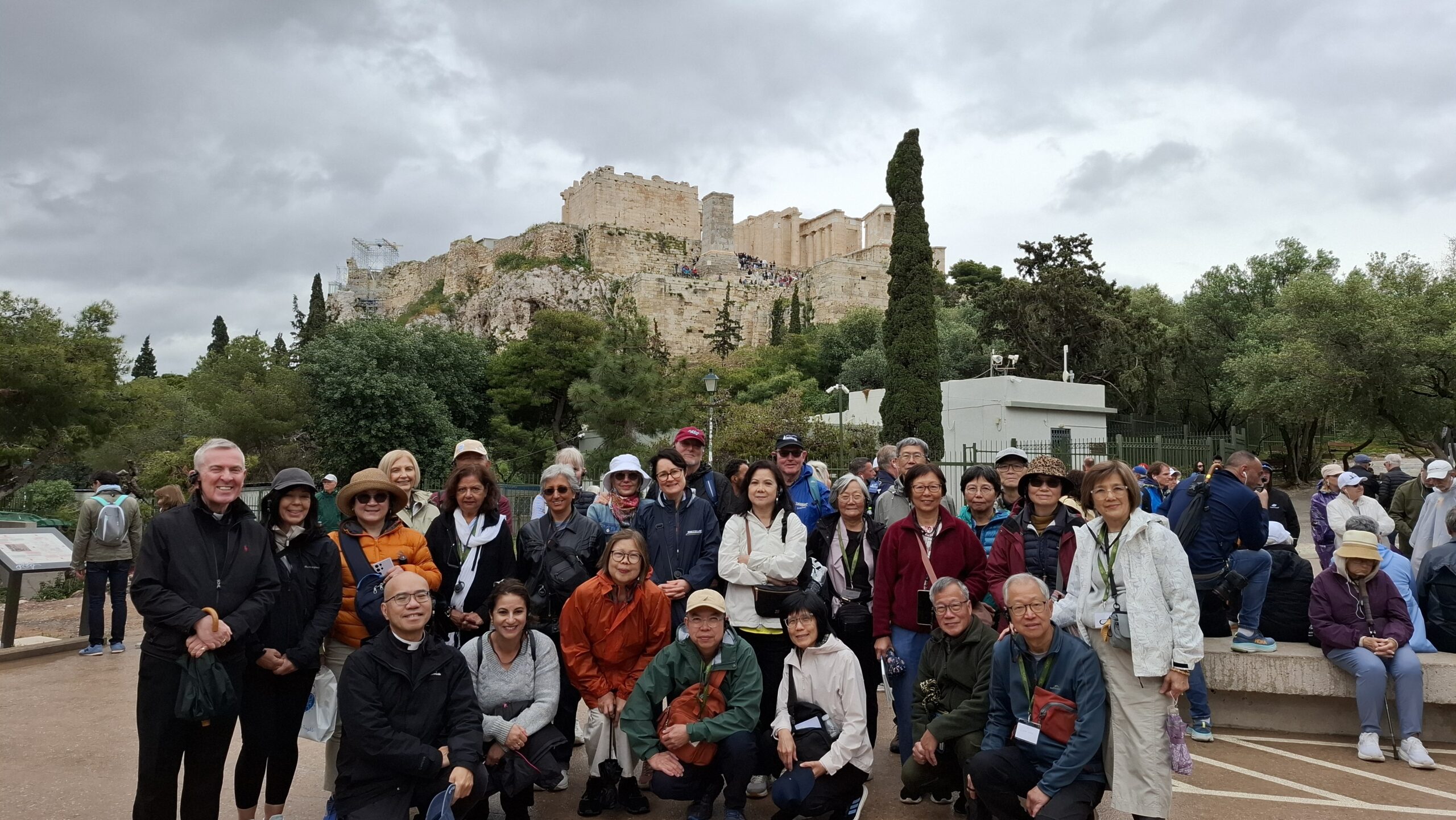
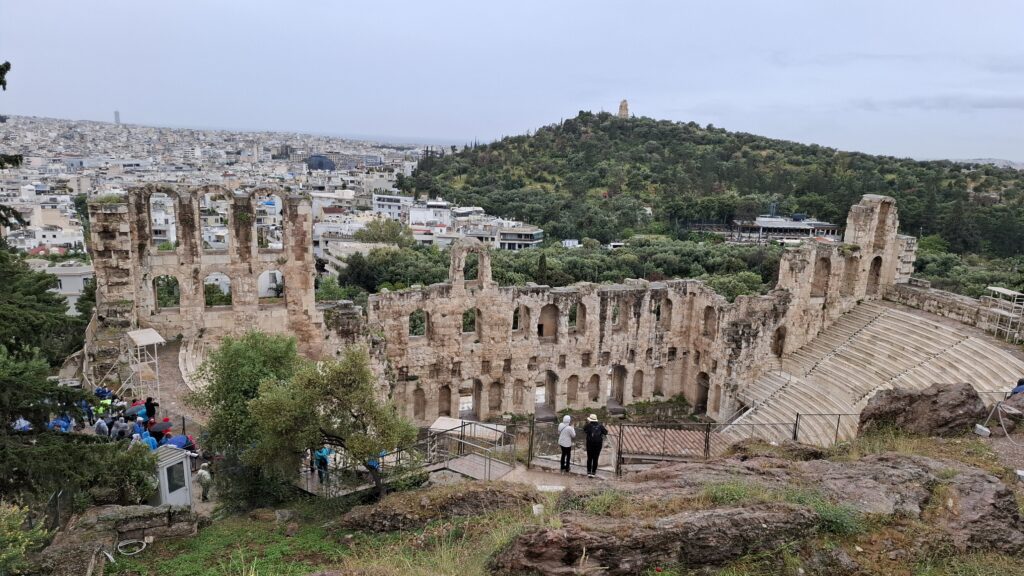
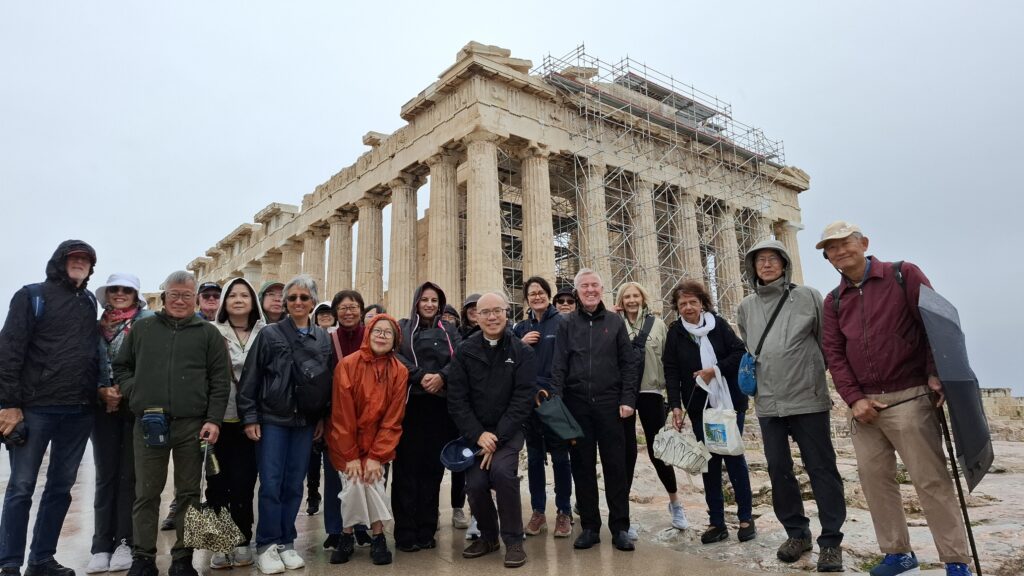
    We visited the Acropolis, a rocky outcrop above the city of Athens. The area was an important intellectual, cultural and religious centre of ancient Athens. As we climb up towords the acropolis, we went passed the Sanctuary of Dionysis (Greek god of wine) as well as the Theatre of Dionysis where ancient Greek drama was born and flourished.
    At the top of the Acropolis is the Parthenon, a marble temple built during the 5th century B.C. during the height of the ancient Greek Empire and dedicated to Athena, the virgin goddess.


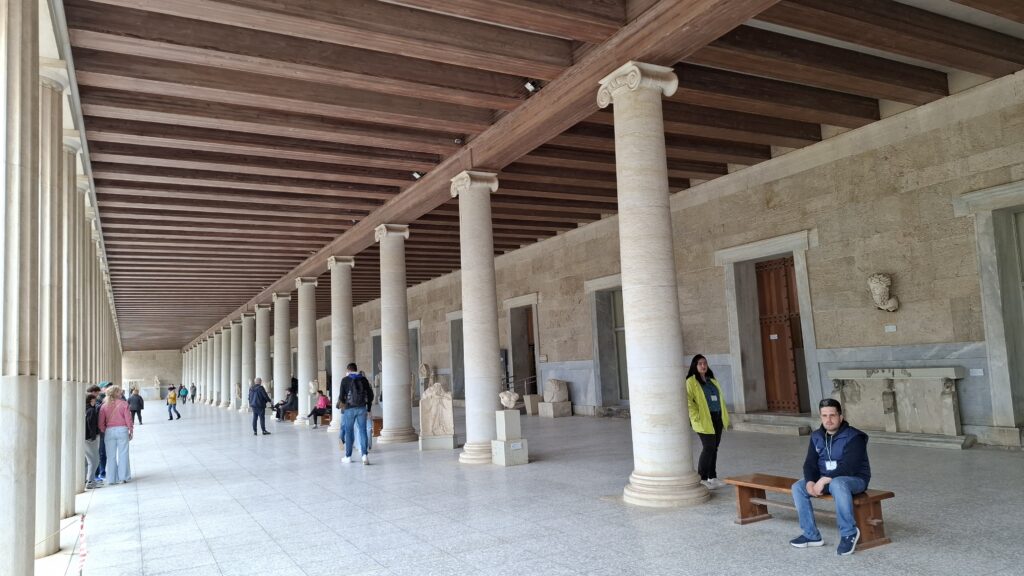
    Next we visited the ancient Agora or Marketplace located to the northwest of the Acropolis and bounded on the south by the Hill of the Areopagus and on the west by the hill known as the Agoraios Kolonos. The Agora was a dynamic place, where the great thinkers such as Socrates and others would meet, and where the Athenian citizens came together to meet, interact, deliberate and bond with their peers.

    It was a place for commercial, assembly, political, entertainment etc. It was here that the ideals of citizenship and political consciousness were planted and the foundations of democracy laid.

    Next to the Agora is the Areopagus Hill where St. Paul preached during his visit to Athens (Acts 17:16-34) attempting to spread Christianity to the Athenians. His teachings led to the conversion of Dionysius the Areopagite (an Athenian judge at the Areopagus Court in Athens) among others who formed the first Christian community of Athens.
    It was surreal and awe-inspiring to think we were standing right where St Paul stood and preached.


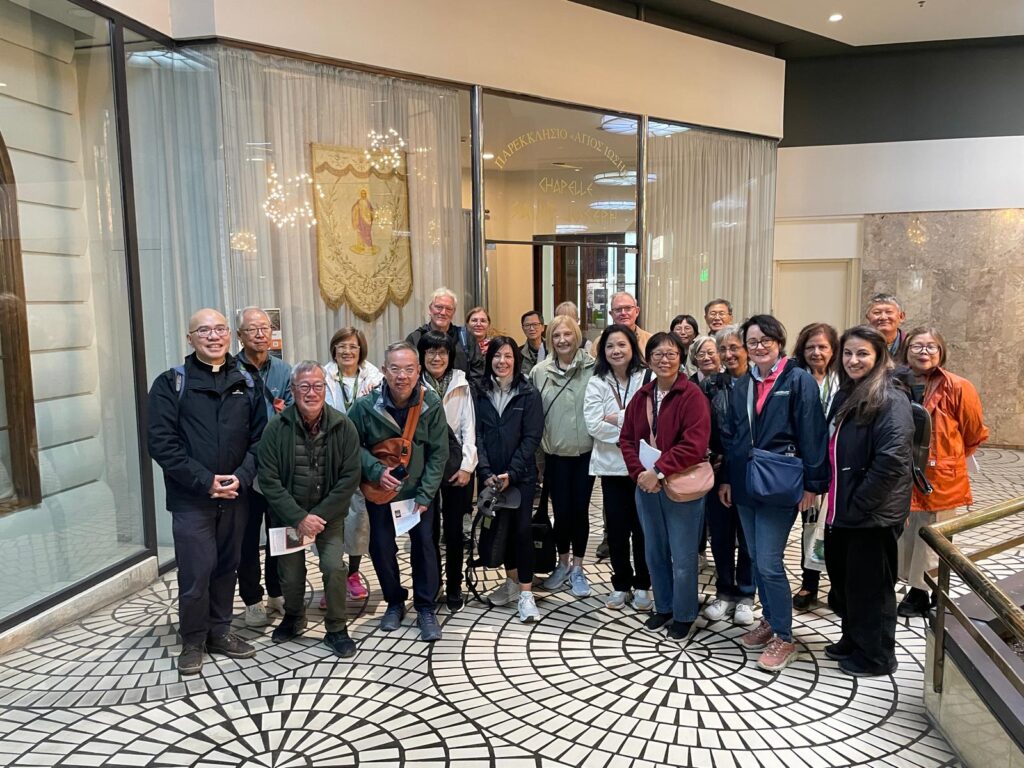
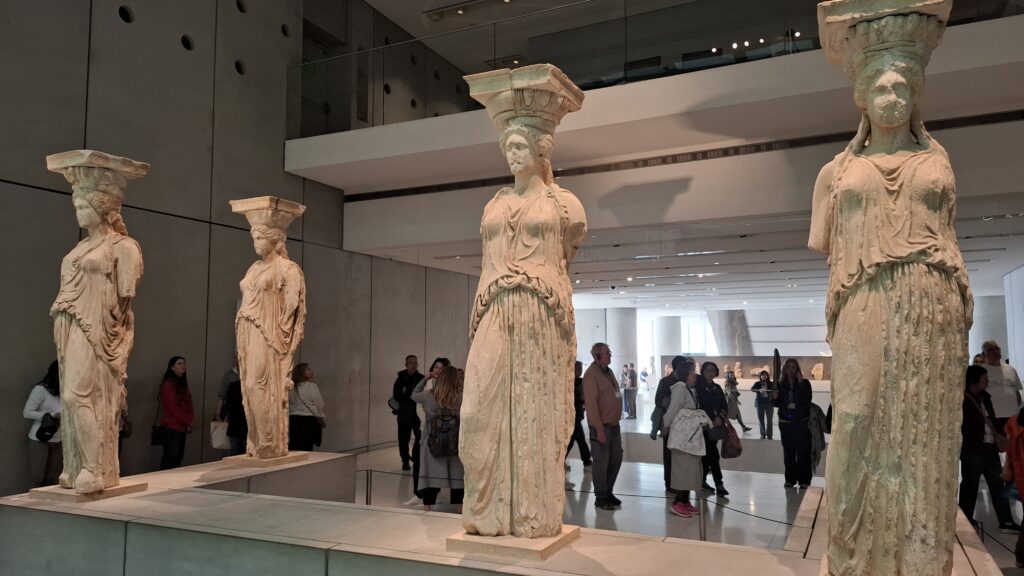
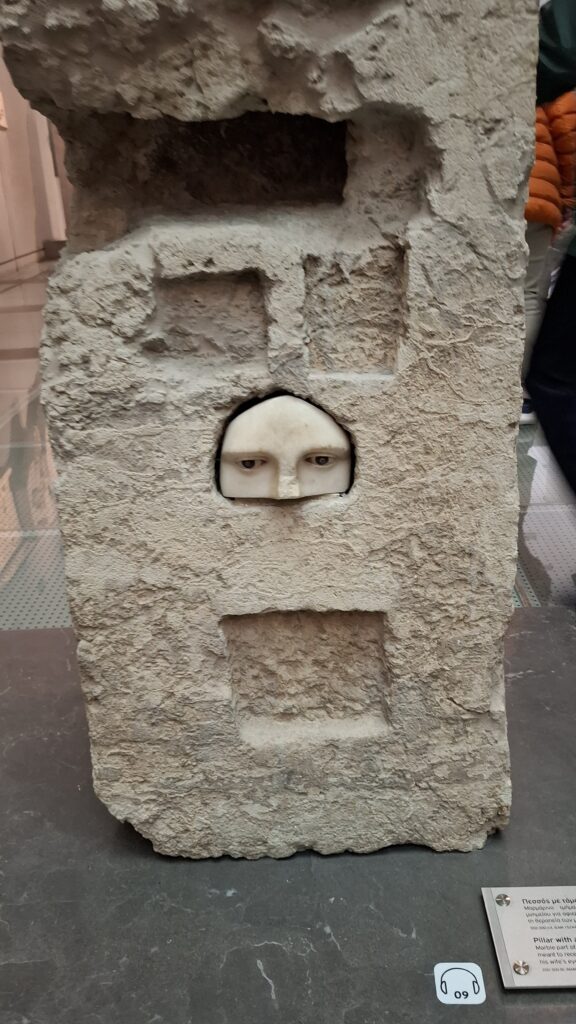
    At the Chapel of St Joseph located in a shopping centre in Athens, Fr Alex and Fr Chris celebrated mass on this day, the feast of St George. We finished the day with a visit to the Acropolis Museum.

    The Acropolis Museum

    Another day blessed with new insights and a deeper appreciation for the challenges faced by St Paul, and his perseverance in his discussions with and preaching to the Athenians.

    Contributed by Sharon La Fontaine, St Timothy Forest Hill