We began the day with a generous breakfast which gave us energy for the day ahead. Our first visit was to the house of Mary, mother of Jesus, set high on the hill above Ephesus (present day Selcuk). It is widely believed that this is where Saint John the Evangelist cared for Mary during her final years on earth.
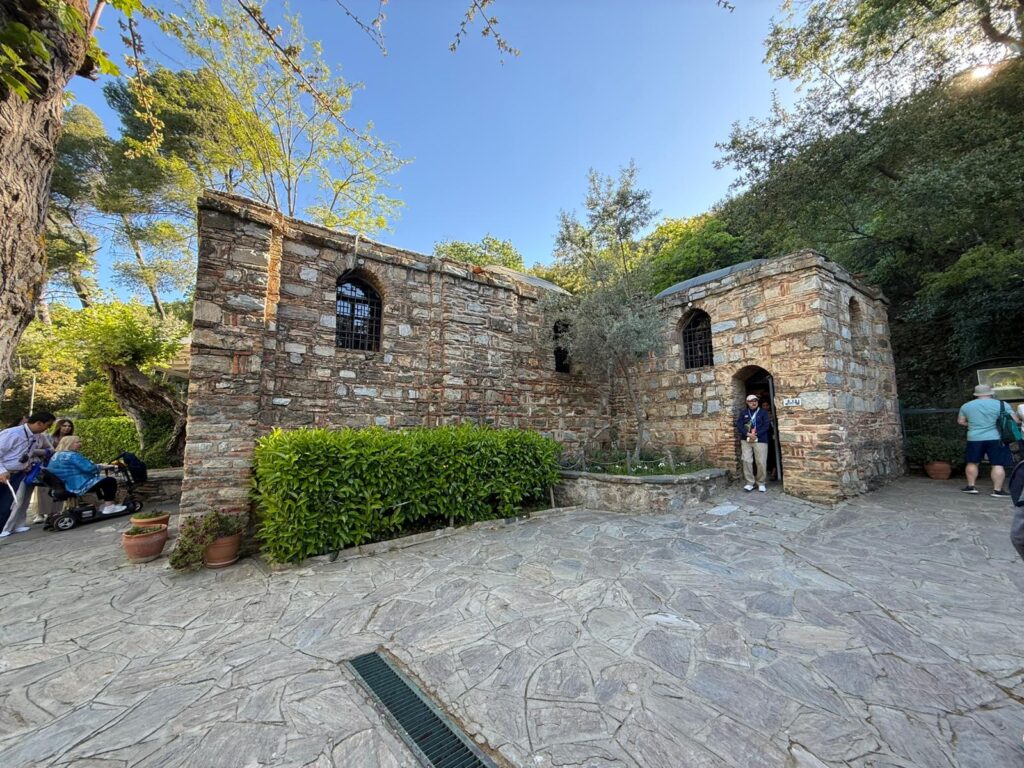
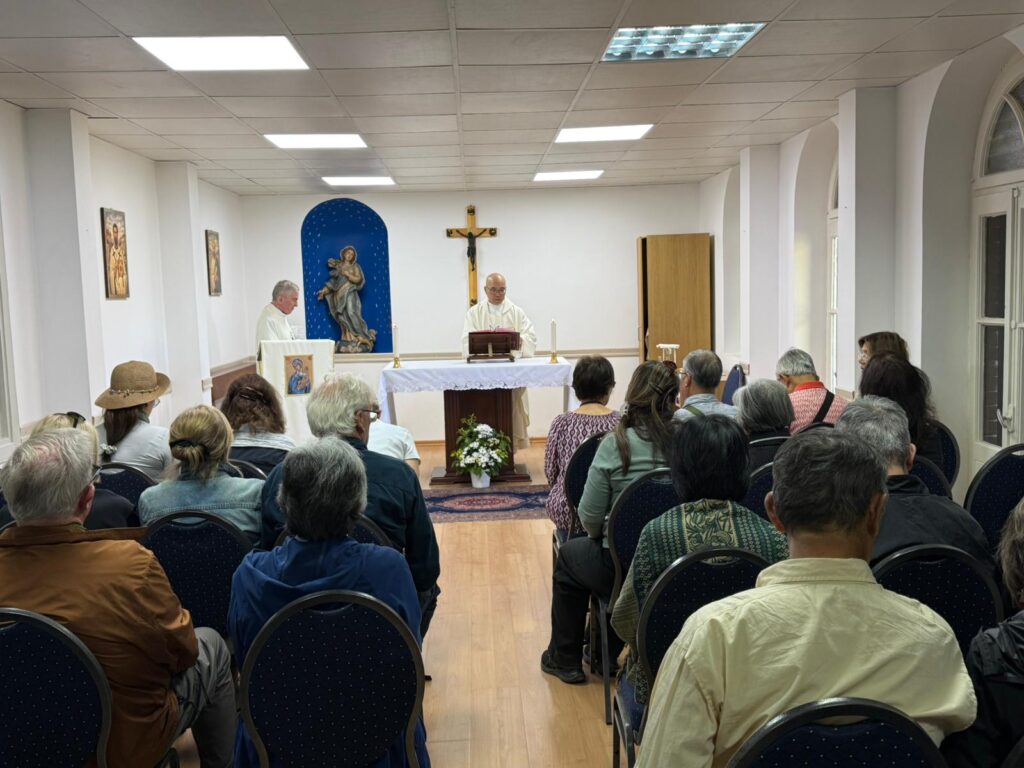
At a time when Christians were still persecuted, the location—removed from the city—would have offered some protection. The foundations of the building date back to the first century, and we were very blessed to celebrate Mass in this location.
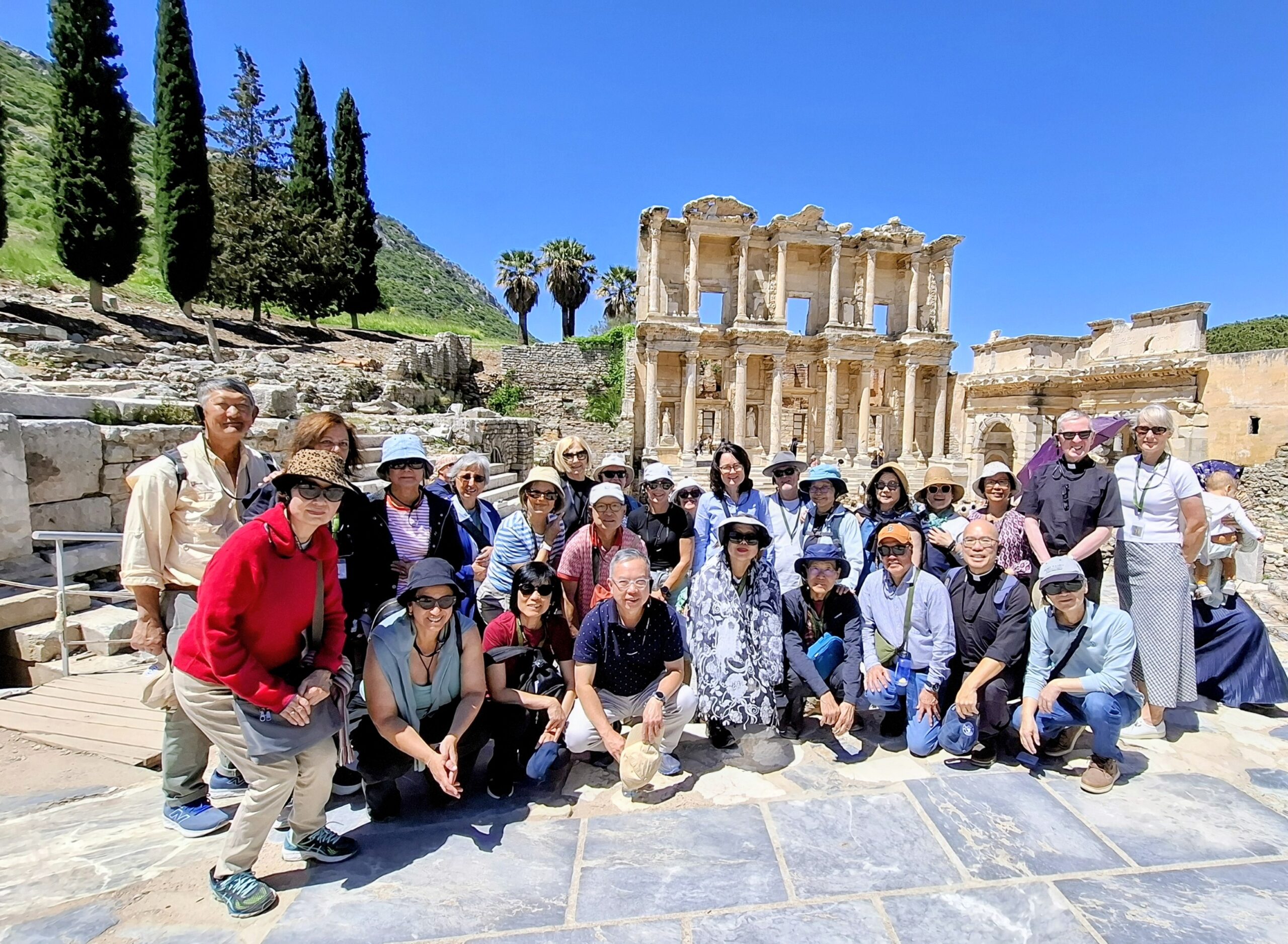
From there, we proceeded to the ancient ruins of Ephesus, one of the Mediterranean’s best-preserved Greco-Roman cities. Founded in the 10th century BC, it later became a significant Roman port city, home to landmarks such as the Library of Celsus, the Great Theatre, and the Temple of Artemis—one of the Seven Wonders of the Ancient World.
The church of Ephesus, was planted by St Paul and is one of the seven churches mentioned in the book of Revelations.
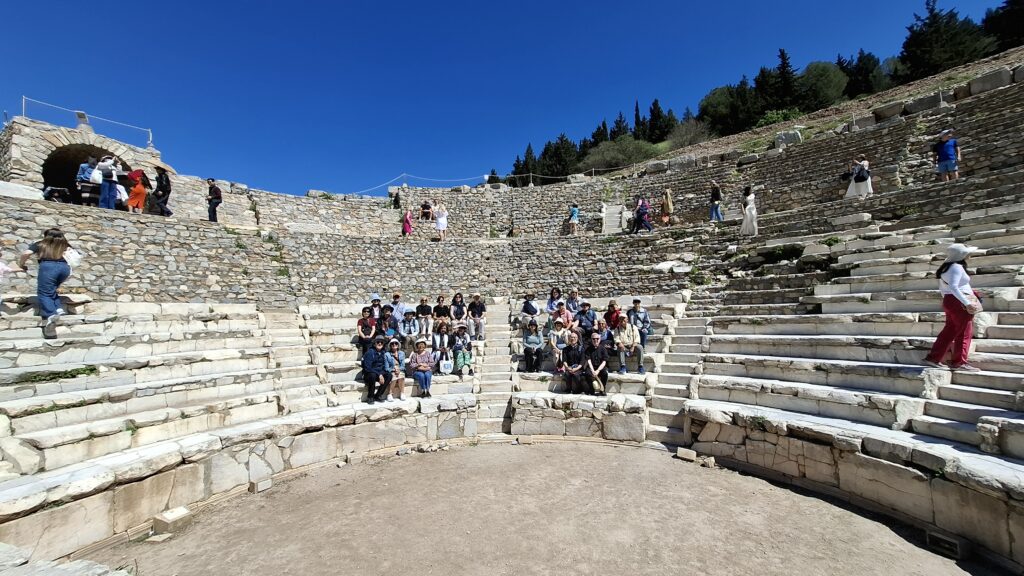
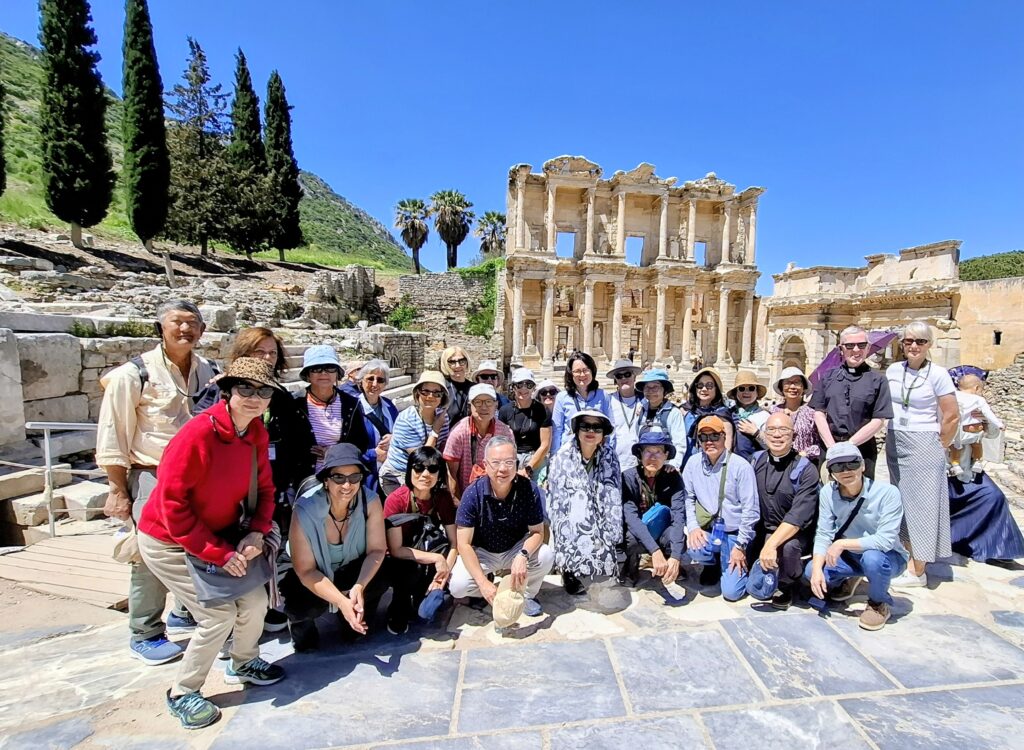
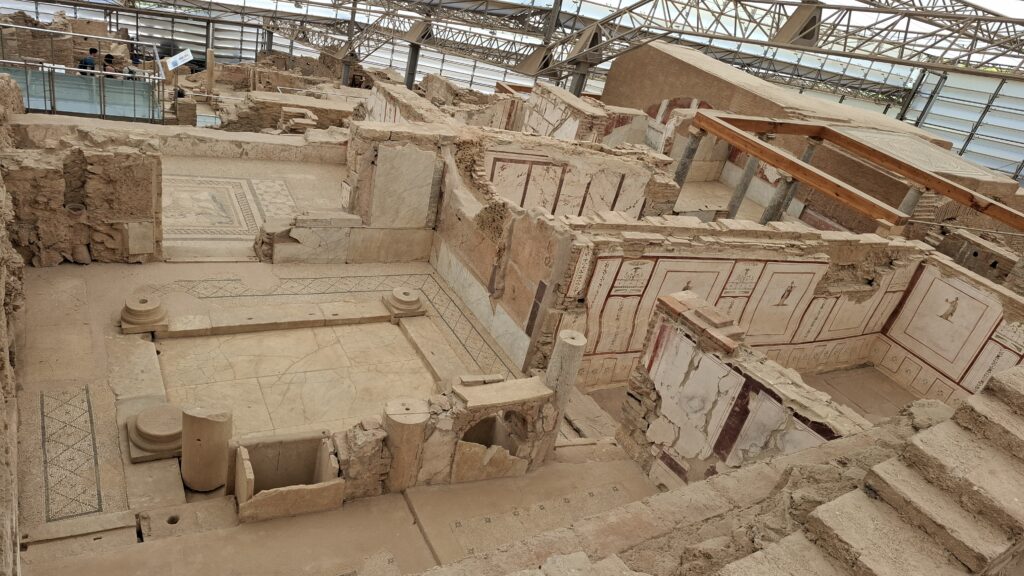
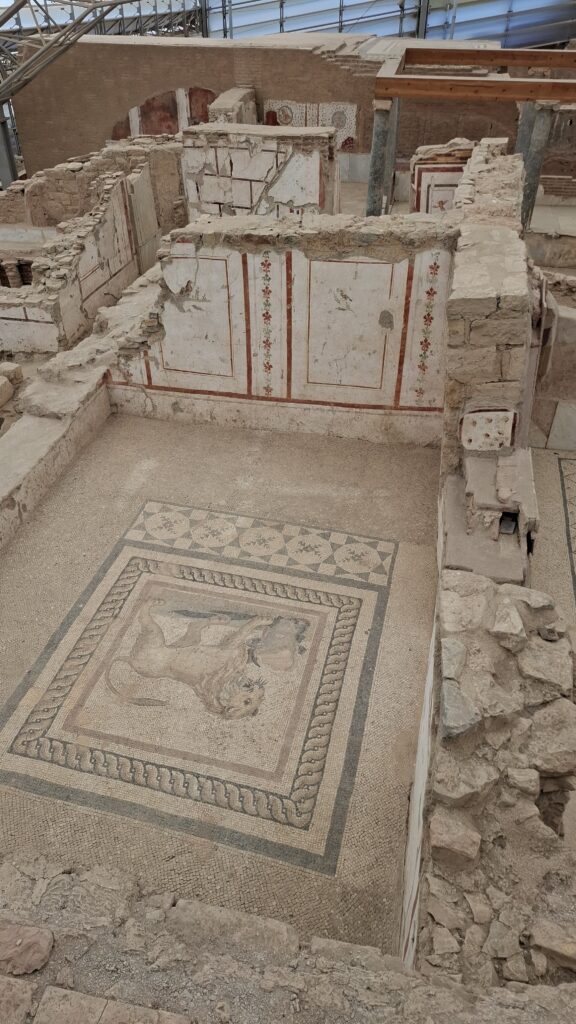
Exploring the city gave insight into daily life at the time. We saw everything from public bathhouses and toilet blocks to the terrace homes of wealthy families, where walls with intricate painted designs and marble flooring have been preserved.
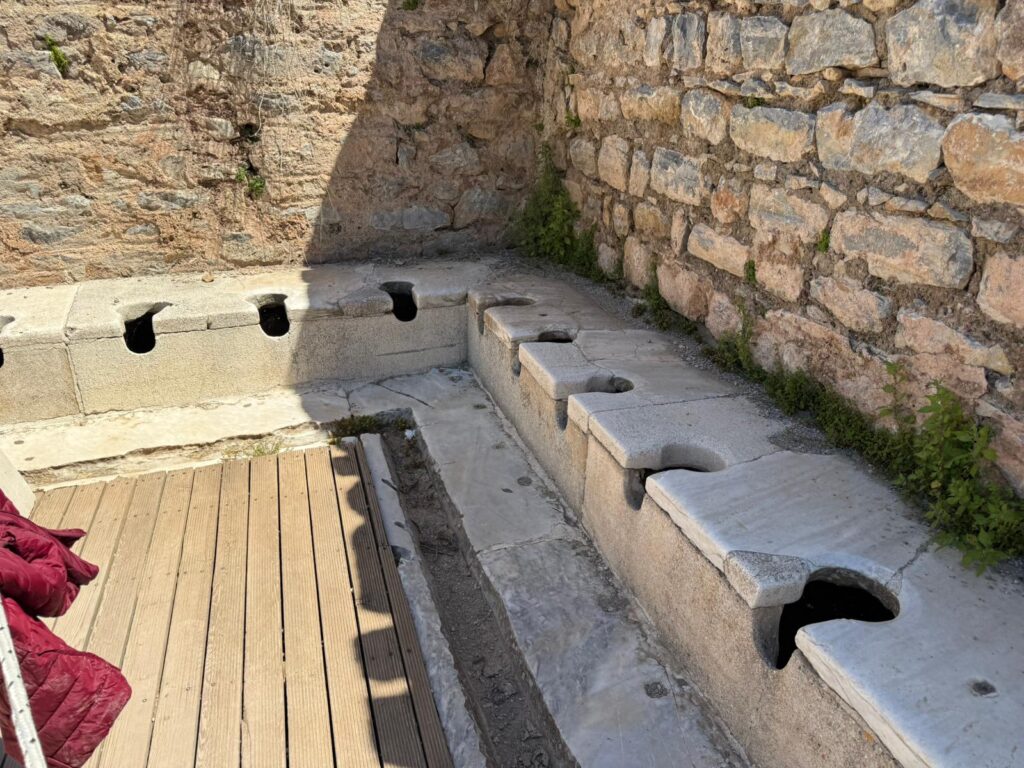
Roman life in Ephesus appeared highly organised and advanced, and likely quite comfortable for many.
In this context, Paul and his followers were truly courageous when preaching the good news. Acts 19:28–41 records the near riot that occurred when Saint Paul and his disciples preached Jesus as the one true God in the Grand Theatre, threatening the livelihood of silversmiths who made items for the worship of the Roman god Artemis. It made me think that perhaps I need a bit of extra courage to share my faith with others in our comfortable modern world.
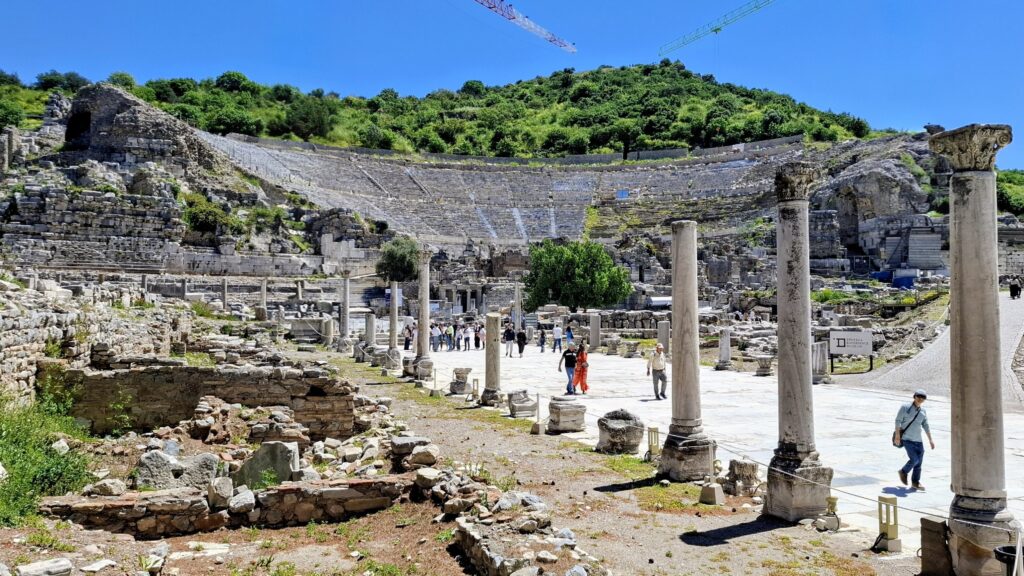
Ephesus also remained important in later Church history. The Council of Ephesus was held here in 431 AD
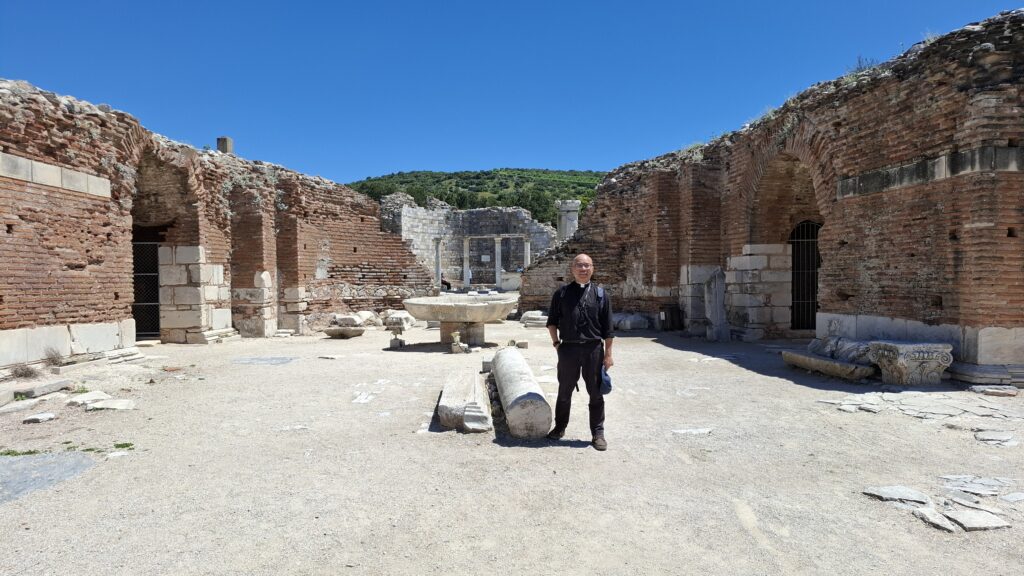
This Council helped clarify an essential Catholic doctrine: Jesus Christ is truly God and truly man, united in one Person, so that worship and faith are not divided into separate “divine” and “human” nature in Christ. In addition, the Council confirmed the title of Mary as the Mother of God thus, establishing an extraordinary theological relationship between Mary and Christ.
Mary has always been strongly linked to Ephesus through the decision of the council.
Finally, we visited the remains of the 6th-century Basilica of St John, built over what is believed to be the tomb of Saint John the Evangelist.
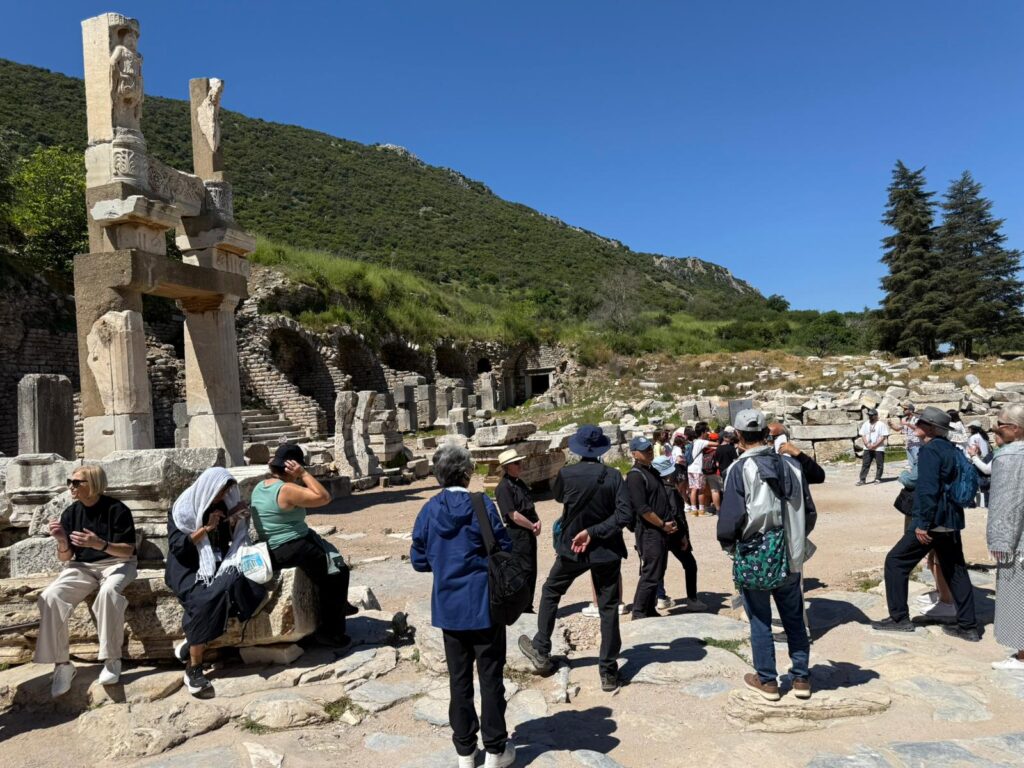
A very full and rich day.
Contributed by Anne Loughnan , St. Benedict’s , Burwood, Victoria